
In today’s digital world, creating and selling online courses has become a lucrative business model. With the growing demand for self-paced learning and the endless possibilities for niche subjects, there’s never been a better time to share your knowledge and skills with others.
Whether you want to teach a craft, business skills, or personal development, the process of creating an online course requires careful planning and execution.
In this article, we’ll explore the 10 proven steps that will guide you in creating a successful online course from start to finish. These steps will ensure that your course is well-structured, marketable, and valuable to your students.
1. Determine the Topic of Your Course

The first and most important step in creating an online course is to determine the topic. You must choose a subject that you are passionate about and have expertise in, while also ensuring there’s enough demand for the topic.
What Makes a Good Course Topic?
A good course topic should meet the following criteria:
- Passion & Expertise: Choose a subject that excites you and is within your area of expertise. Teaching something you’re passionate about will keep you motivated throughout the course creation process.
- Market Demand: While passion is important, you also need to ensure that the topic has demand. Do some research to find out if people are looking to learn about this subject. You can use search engines, online forums, and social media to check what topics people are interested in.
- Niche Focus: It’s often more effective to teach a niche topic rather than a broad subject. For example, instead of teaching a broad subject like “business,” you might focus on “how to start a small online business for beginners.”
Once you’ve chosen your topic, ensure it aligns with your strengths and the needs of your target audience.
2. See if There’s a Market for Your Course
It’s essential to validate the demand for your course before you invest time and money into creating it. This validation helps to minimize the risk of creating a course that no one wants to take.
How to Validate Your Course Idea
- Conduct Surveys: Reach out to your audience through email, social media, or other channels, and ask them if they would be interested in the course you plan to create.
- Check Competitors: Look at online course platforms like Udemy, Skillshare, or Coursera to see if similar courses are already available. If they are, this may indicate that there’s demand for that type of content.
- Join Online Communities: Participate in online forums and communities related to your course topic. Pay attention to the questions people are asking and the problems they’re trying to solve. This will give you insight into what people want to learn.
Validating your course idea will give you the confidence to move forward with course creation.
3. Establish Your Credibility as an Expert on the Course Subject
To attract students to your course, you need to establish yourself as a credible expert. Students are more likely to enroll in your course if they trust that you have the knowledge and experience to teach them.
How to Build Credibility
- Showcase Your Experience: Highlight your experience in the field by sharing your professional background, personal stories, or case studies related to the topic. For example, if you’re teaching digital marketing, mention any successful campaigns you’ve worked on.
- Share Testimonials: If you’ve taught in the past or have helped others learn your subject, gather testimonials or reviews from them. This social proof will reassure potential students that your course is valuable.
- Offer Free Content: Another way to build credibility is by offering free content related to your course, such as blog posts, videos, or mini-courses. This helps build trust with your audience and shows that you know your stuff.
Remember, authenticity and transparency will go a long way in establishing trust with your potential students.
4. Create an Online Course Outline

Once you’ve established your topic and credibility, it’s time to create an outline for your course. A well-organized outline will help ensure that your course content is structured logically and covers everything students need to know.
Key Elements of a Course Outline
- Modules/Chapters: Break your course down into modules or chapters, each focusing on a different aspect of the subject. For example, if you’re teaching photography, one module might cover “The Basics of Composition,” while another could focus on “Editing Photos in Lightroom.”
- Learning Objectives: Clearly define what students will learn in each module. For example, in a cooking course, one module’s objective might be, “Students will learn how to make a basic homemade pizza dough.”
- Lesson Breakdown: Within each module, break down the lessons into smaller chunks. For instance, you might have one lesson that focuses on a specific skill and another that helps students apply that skill in practice.
The more organized your outline is, the easier it will be to create your course content and help your students navigate the material.
5. Create and Edit Your Course Materials
Now comes the fun part: creating your course content! This is where you transform your ideas into actual lessons that students will use to learn.
Types of Course Materials
- Videos: Video is the most engaging form of content. You can create recorded lectures, demonstrations, or tutorials using your phone, webcam, or a professional camera.
- Text Documents: Use written content like PDFs or Word documents for additional explanations, reading materials, and worksheets.
- Quizzes and Assignments: To ensure your students are absorbing the material, include quizzes and assignments that test their knowledge.
- Interactive Elements: Interactive elements such as discussion forums, group projects, or live Q&A sessions can enhance the learning experience.
Tips for Creating Engaging Content
- Be Concise: Don’t overwhelm your students with long, rambling videos. Keep each video between 5 and 15 minutes, with one key takeaway per lesson.
- Be Clear: Speak clearly and avoid using jargon. Assume that your students are beginners and focus on simplifying complex concepts.
- Edit Your Content: Edit your videos and documents to ensure they are polished and professional. Tools like Camtasia or Adobe Premiere Pro can help with video editing, while tools like Grammarly can assist with text editing.
The more high-quality and engaging your course materials are, the more likely your students are to complete your course.
6. Choose the Right Platform
Once your course content is ready, you’ll need to decide where to host and sell it. There are several platforms that allow you to create and sell online courses, and each has its own set of features and pricing structures.
Factors to Consider When Choosing a Platform
- Ease of Use: The platform should be user-friendly and easy to navigate. Look for platforms that provide drag-and-drop course creation tools.
- Customization Options: Some platforms allow you to brand your course with your logo and colors, while others are more generic.
- Pricing and Fees: Be aware of any fees the platform charges, either upfront or as a percentage of each sale. Make sure the platform fits your budget.
- Marketing Tools: Some platforms offer built-in marketing tools, such as email marketing integrations, affiliate programs, and social sharing features.
Popular online course platforms include Teachable, Thinkific, and Udemy. Do your research to find the platform that best suits your needs.
7. Market Your Course
Creating a fantastic course is only half the battle. To ensure its success, you need to market it effectively to your target audience.
Marketing Strategies
- Leverage Social Media: Use platforms like Instagram, Facebook, and LinkedIn to promote your course. Share teasers, behind-the-scenes content, and success stories.
- Create a Landing Page: Build a dedicated landing page for your course that highlights its benefits and features. Make sure it includes testimonials, a course outline, and clear calls to action.
- Offer Discounts or Bonuses: Offering limited-time discounts or bonus content can incentivize students to enroll.
- Email Marketing: Build an email list and send out newsletters or promotional emails to keep potential students engaged.
Remember, marketing doesn’t stop once the course is launched. Keep promoting it consistently to attract new students.
8. Get Feedback from Students
Feedback is essential for improving your course and ensuring your students are getting the most value from it. Regularly ask for feedback and use it to enhance your course content and delivery.
How to Collect Feedback
- Surveys: Send out surveys to your students asking them about their experience with the course. Ask about the course content, format, and overall satisfaction.
- Direct Communication: Engage with your students through live Q&A sessions, discussion forums, or one-on-one communication.
- Reviews: Encourage students to leave reviews after completing your course. Positive reviews can be a powerful tool for attracting new students.
Make sure to act on the feedback you receive, whether it’s positive or negative, to create an even better learning experience for future students.
9. Build a Community of Loyal Students
Creating a community around your course can help foster engagement and create long-term relationships with your students. A supportive community enhances the learning experience and encourages students to complete your course.
How to Build a Community
- Discussion Forums: Create private forums or social media groups where students can interact with each other, ask questions, and share ideas.
- Live Events: Host live webinars, Q&A sessions, or office hours to connect with your students and answer their questions in real-time.
- Encourage Collaboration: Encourage students to collaborate on projects or assignments. This helps them feel more connected to each other and to the course material.
A thriving community will not only enhance student satisfaction but also turn your course into a dynamic, ever-growing educational platform.
10. Update Your Course Over Time to Keep It Fresh and Current
Online learning is an evolving landscape, and your course should reflect the latest trends and information. Regularly updating your course ensures that it remains relevant and valuable to your students.
How to Update Your Course
- Add New Content: Periodically add new modules, lessons, or bonus materials to keep your course fresh.
- Review and Revise: Go through your existing content and make necessary revisions. This could include adding new examples, revising outdated information, or improving your videos.
- Engage with Trends: Stay updated on trends in your industry and incorporate new techniques, tools, or resources into your course.
By continually improving your course, you show students that you care about providing the best learning experience.
Top Online Course Tools
When it comes to choosing the right platform for your online course business, there are several strong contenders in 2025.
Here’s a breakdown of some of the top platforms to consider.
1. Thinkific

Thinkific is a leading platform known for its robust course creation tools and ease of use. It allows you to create a variety of content types, including video, quizzes, and assignments.
Thinkific also offers a strong suite of marketing tools, including automated email campaigns and integrations with popular platforms like Mailchimp and Zapier.
2. Teachable

Teachable is another well-known name in the online course space. It’s user-friendly and allows you to easily create and sell courses.
The platform has a wide range of customization options, strong monetization features, and integrates seamlessly with third-party tools like PayPal and Stripe.
3. Kajabi

Kajabi is a powerful all-in-one platform for course creation, marketing, and sales. It provides advanced marketing tools like automated email sequences, landing pages, and sales funnels.
Kajabi is particularly great for creators who want an all-inclusive solution for selling and managing their courses.
4. LearnWorlds
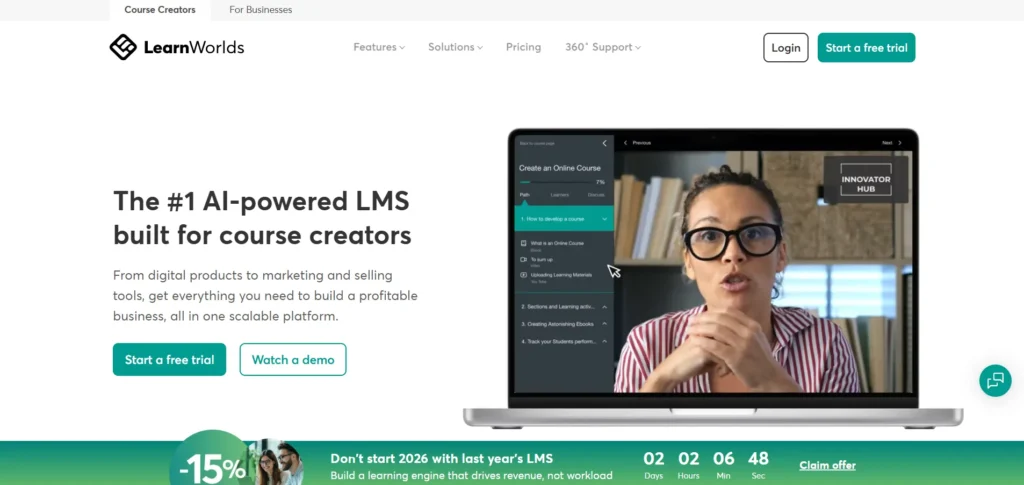
LearnWorlds stands out for its interactive features and advanced analytics. It’s designed to create highly engaging learning experiences with tools like video interactions and quizzes.
LearnWorlds also provides excellent branding options and is known for its user-friendly interface.
5. Kartra
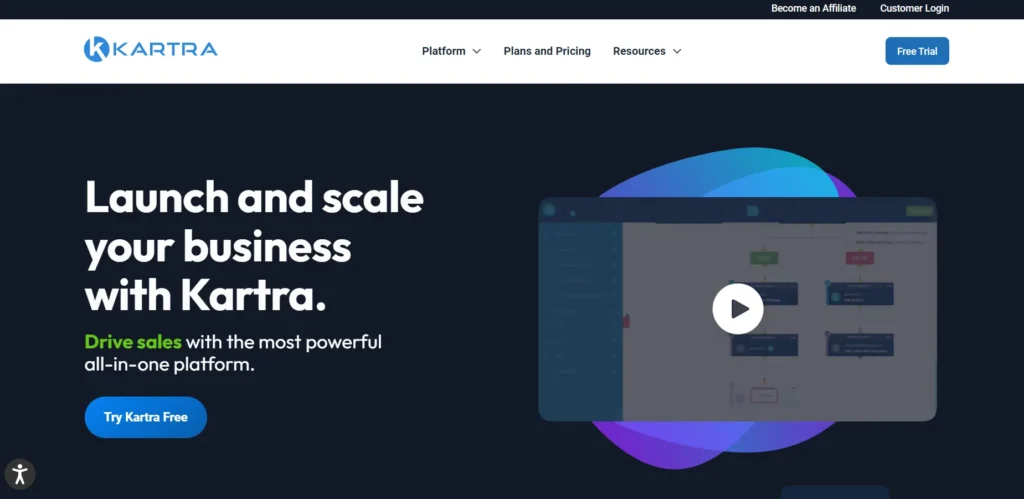
Kartra is a versatile platform that combines course creation with powerful marketing features. It provides an easy-to-use interface for building sales funnels, email marketing campaigns, and even membership sites.
Kartra is ideal for those who want a platform that combines both course creation and business management tools.
FAQs
How long does it take to create an online course?
The time it takes to create an online course varies depending on the course length and complexity. On average, it may take anywhere from a few weeks to several months to create a high-quality course.
Do I need technical skills to create an online course?
No, most course creation platforms are user-friendly and don’t require advanced technical skills. Basic knowledge of video recording, editing, and uploading is helpful, but most tools have simple interfaces for beginners.
How do I price my course?
Pricing depends on the length, depth, and uniqueness of your course. Research similar courses to find a competitive price range. You can also experiment with different pricing strategies, such as offering tiered pricing or providing early-bird discounts.
Can I update my course after it’s launched?
Yes, most platforms allow you to update your course materials. Regular updates keep your content fresh and relevant, ensuring students continue to find value in your course.