
The world of online learning has evolved rapidly over the past few years, and 2025 promises to bring even more opportunities for educators, professionals, and entrepreneurs to create valuable, engaging online courses.
If you’re looking to build a successful online course, it’s important to not only consider the content but also the way you design, deliver, and market it.
In this guide, we’ll go over the top 15 strategies for creating a course that not only attracts learners but also keeps them engaged, encourages completion, and brings in sustainable income.
Whether you’re an experienced educator or just starting out, these tips will guide you through the process of building a course that delivers real value to your learners and stands out in a crowded online space.
1. Choose a Specific, Results-Oriented Topic
In today’s digital world, learners are looking for more than just broad topics like “Marketing” or “Photography.” They want specific solutions to their unique problems. In 2025, the most successful courses are those that focus on niche areas and deliver measurable results.
For example, instead of creating a course called “Digital Marketing 101,” you could build something like “How to Drive 1,000 Website Visits a Day with Organic Social Media Strategies.” This level of specificity makes your course appear more targeted, actionable, and ultimately, valuable.
Why It Works:
- Specificity attracts students looking for focused expertise.
- Clear outcomes give students something concrete to aim for.
- You can target specific search queries online, making your course easier to find.
2. Validate Your Course Idea Before You Build
One of the most common mistakes new course creators make is building an entire course without testing whether there’s actually a demand for it. You can avoid wasting time and resources by validating your course idea early on.
How to Validate:
- Surveys and Polls: Use platforms like Google Forms or Typeform to create surveys and ask your potential audience what they would want to learn.
- Social Media Engagement: Post questions or polls on platforms like Twitter, Facebook, or LinkedIn to test interest in your course idea.
- Pre-sell Your Course: Offer early-bird access or discounts to gauge whether people are willing to pay for the course.
Why It Works:
- Prevents wasted effort by ensuring there’s interest before you begin.
- Helps refine your course’s structure and content based on actual demand.
3. Map Out a Clear Learning Path
An effective online course isn’t just a bunch of videos thrown together. To keep your learners engaged and help them achieve their learning goals, your course should have a clear and logical progression.
Building the Learning Path:
- Modules and Lessons: Break your course into modules that are easy to digest. Each module should cover a specific topic, and the lessons should build upon each other.
- Actionable Steps: Make sure each lesson includes clear, actionable steps or exercises that guide learners towards the next part of their journey.
Why It Works:
- A structured, well-planned course keeps learners from feeling lost or overwhelmed.
- Learners are more likely to complete the course when there’s a clear roadmap.
4. Incorporate Interactive Elements
2025 will see a significant push towards engagement and interactivity in online courses. Simply watching videos isn’t enough anymore. To keep your students interested and engaged, include elements that allow them to interact with the content, the instructor, and other learners.
Types of Interactive Elements:
- Quizzes and Polls: Create short quizzes after each lesson to reinforce learning and give immediate feedback.
- Assignments and Projects: Encourage students to apply what they’ve learned in real-life scenarios.
- Discussions and Forums: Set up spaces for students to ask questions, share ideas, and interact with peers.
- Live Q&A Sessions: Offer periodic live sessions to address student questions and create a sense of community.
Why It Works:
- Active learning has been shown to improve retention and student satisfaction.
- Encourages social learning, where students learn from each other.
5. Utilize AI Tools for Content Creation
Artificial Intelligence tools are transforming the way we create educational content. In 2025, AI will be a key part of course creation, helping educators save time and produce high-quality materials.
AI-Powered Tools to Use:
- Content Generation: Use tools like ChatGPT for drafting lesson plans, quizzes, and even video scripts.
- Transcription and Subtitles: Use tools like Otter.ai to transcribe your videos and add subtitles, making your course more accessible.
- Personalized Learning Paths: AI can help suggest content to students based on their progress or interests.
Why It Works:
- Saves time and effort on content creation.
- Allows for scalability by automating repetitive tasks.
6. Prioritize High-Quality Audio and Visuals
As the online course market becomes more competitive, course quality is paramount. Poor audio and video quality can make even the best content feel unprofessional.
Tips for High-Quality Production:
- Invest in a Good Microphone and Camera: Clear audio is essential for teaching. A simple lapel mic and a good webcam can make a world of difference.
- Good Lighting: Ensure your videos are well-lit to make your content look more professional. Natural light or affordable softbox lighting can do wonders.
- Editing: Edit your videos to remove unnecessary pauses and errors. Use software like Adobe Premiere Pro or Final Cut Pro for a polished look.
Why It Works:
- Professional quality makes your course appear more legitimate.
- Learners are more likely to stay engaged with clear visuals and crisp audio.
7. Choose the Right Platform for Hosting
The platform you choose to host your course will impact both the user experience and the marketing opportunities available to you. There are many online course platforms available in 2025, each with its own features and benefits.
Top Course Platforms to Consider:
- Teachable: Known for its ease of use, Teachable offers customizable course pages, robust analytics, and payment integrations.
- Thinkific: Thinkific is great for those who want full control over their branding and design.
- Kajabi: Kajabi provides everything you need for course creation, marketing, and customer management all in one place.
Why It Works:
- Choosing the right platform ensures a seamless learning experience for your students.
- Helps you manage payments, content, and student engagement with ease.
8. Set a Pricing Strategy That Reflects Value
Setting the right price for your course is essential for attracting students while also ensuring you get compensated fairly for your expertise. While it may be tempting to underprice your course to attract more customers, doing so can undermine your perceived value.
Pricing Strategies:
- Tiered Pricing: Offer different price points based on the features or content included in the course.
- One-Time Payment or Subscription: Decide whether a one-time payment or a subscription-based model works best for your content.
- Discounts and Payment Plans: Offering a discount for early sign-ups or a payment plan can make your course more accessible.
Why It Works:
- Proper pricing shows your course’s value and ensures it aligns with what your target audience is willing to pay.
- Flexible pricing models increase accessibility without lowering perceived quality.
9. Market Your Course Effectively
Building the course is only part of the process. To make it successful, you need to actively market it. If no one knows about your course, no one will buy it.
Marketing Tactics to Use:
- Email Marketing: Build an email list early on and keep potential customers engaged with valuable content.
- Social Media Promotion: Leverage platforms like Instagram, LinkedIn, and YouTube to promote your course, share behind-the-scenes content, and engage with potential learners.
- Influencer Collaborations: Partner with influencers in your niche to help promote your course to a wider audience.
Why It Works:
- Effective marketing drives traffic to your course and increases visibility.
- Helps you connect with a broader audience and build trust.
10. Offer a Compelling Guarantee
To alleviate potential learners’ concerns about the quality of your course, offer a satisfaction guarantee. This could be a 30-day money-back guarantee or a no-questions-asked refund policy. A guarantee builds trust and lowers the perceived risk of purchasing.
Why It Works:
- A guarantee reassures students that they’re not risking their money on a course they won’t find valuable.
- It demonstrates confidence in your product.
11. Build a Community Around Your Course
In 2025, creating a sense of community is essential. Learners don’t just want information—they want to connect with other learners and feel part of something bigger.
Community Building Tips:
- Private Groups: Set up private Facebook groups or Slack channels for your learners to discuss course materials, share progress, and support each other.
- Peer Review: Encourage students to review each other’s work or provide feedback, which fosters collaboration.
- Live Sessions: Regularly engage with students through live Q&A sessions, webinars, or office hours.
Why It Works:
- Building a community keeps learners engaged and motivated.
- Students feel more connected to the course and are more likely to complete it.
12. Collect and Implement Feedback
After your course has launched, don’t sit back and relax. Collecting feedback from learners is critical for improving the course and refining your teaching methods.
Feedback Channels:
- Surveys: Send out surveys after each module or at the end of the course to gauge satisfaction.
- Direct Communication: Ask for feedback through email or on your course platform to gain more detailed insights.
Why It Works:
- Feedback helps you improve the student experience and address any issues early on.
- Shows students that you value their input, leading to higher satisfaction and loyalty.
13. Update Content Regularly
The online learning world is always changing, and what worked last year may not work this year. In 2025, staying relevant is essential for keeping your course fresh and competitive.
How to Update Content:
- Track Industry Trends: Regularly check for the latest trends, tools, and updates in your niche and update your course accordingly.
- Add New Modules: As new developments occur, add additional modules to keep your course up to date.
Why It Works:
- Keeps your course relevant, positioning you as an authority in your field.
- Increases retention rates as students feel like they’re getting current, valuable information.
14. Optimize for Mobile Learning
In 2025, most learners will access online courses via mobile devices. Ensuring your course is optimized for mobile is key to providing a seamless experience for your students.
How to Optimize:
- Test on Multiple Devices: Check your course content on various devices (phones, tablets, laptops) to ensure compatibility.
- Mobile-Friendly Design: Choose platforms and course themes that are responsive and easy to navigate on smaller screens.
Why It Works:
- Mobile optimization ensures your course is accessible to a wider audience.
- Students will engage with content more when it’s easy to access on the go.
15. Monitor Analytics and Adjust Strategies
Finally, the best course creators in 2025 will be those who use data to drive decisions. Monitor how learners interact with your course and adjust strategies accordingly.
What to Track:
- Engagement Rates: Track how many students are interacting with quizzes, assignments, or live sessions.
- Completion Rates: Identify where students drop off and adjust content to improve retention.
- Revenue Metrics: Keep an eye on sales data to determine the most profitable pricing models.
Why It Works:
- Data-driven decisions help you refine your course and marketing strategies.
- Allows you to adapt and improve over time.
Top Online Course Tools
When it comes to choosing the right platform for your online course business, there are several strong contenders in 2025. Here’s a breakdown of some of the top platforms to consider.
1. Thinkific
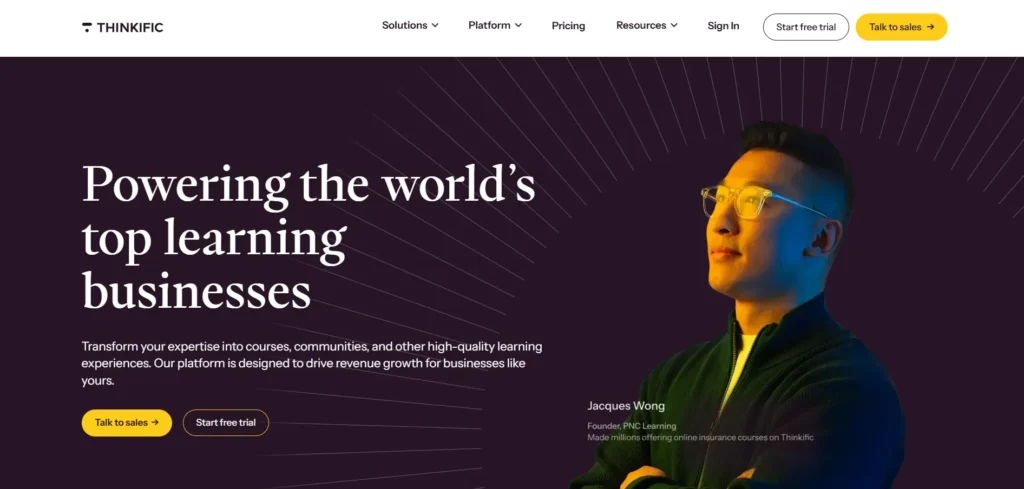
Thinkific is a leading platform known for its robust course creation tools and ease of use. It allows you to create a variety of content types, including video, quizzes, and assignments.
Thinkific also offers a strong suite of marketing tools, including automated email campaigns and integrations with popular platforms like Mailchimp and Zapier.
2. Teachable
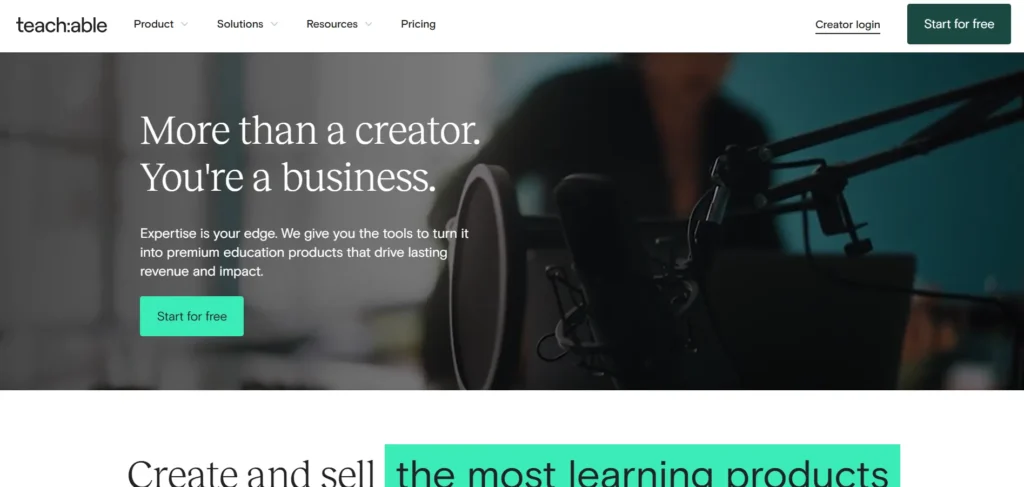
Teachable is another well-known name in the online course space. It’s user-friendly and allows you to easily create and sell courses.
The platform has a wide range of customization options, strong monetization features, and integrates seamlessly with third-party tools like PayPal and Stripe.
3. Kajabi
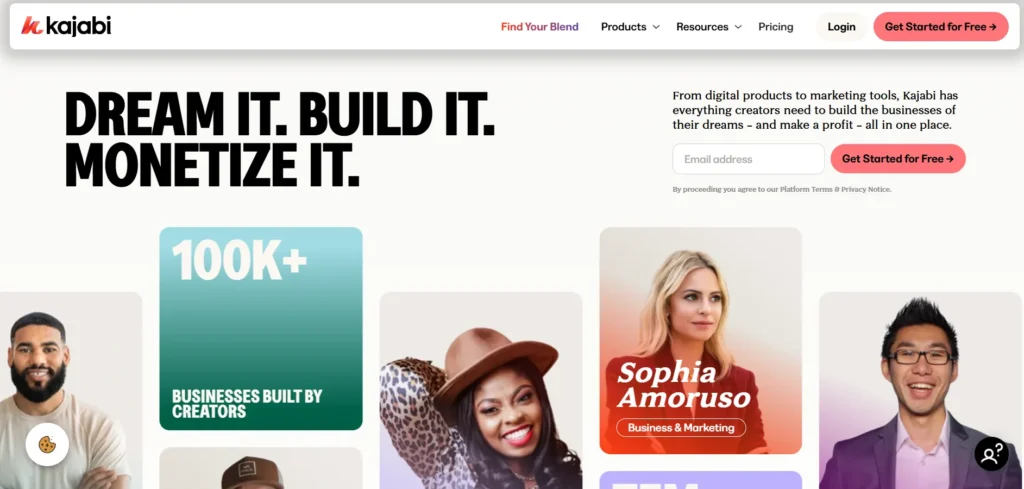
Kajabi is a powerful all-in-one platform for course creation, marketing, and sales. It provides advanced marketing tools like automated email sequences, landing pages, and sales funnels.
Kajabi is particularly great for creators who want an all-inclusive solution for selling and managing their courses.
4. LearnWorlds
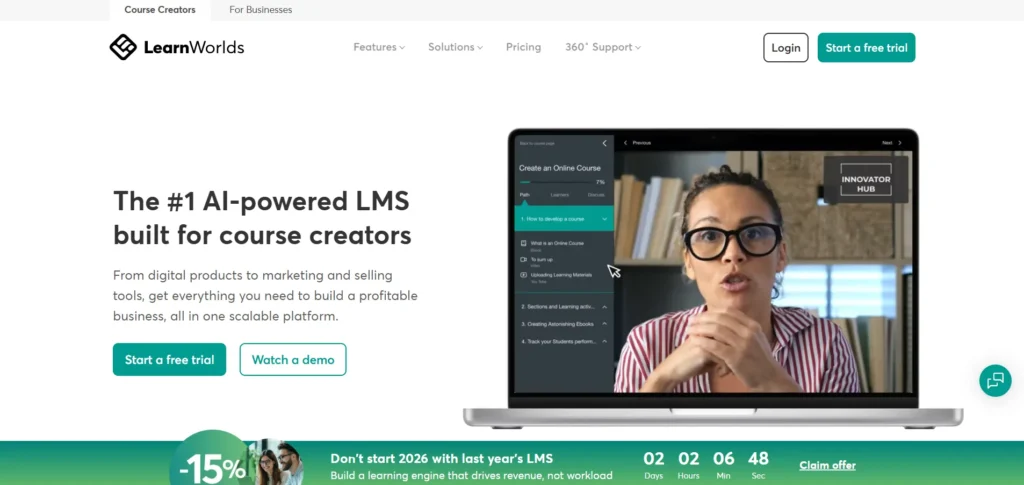
LearnWorlds stands out for its interactive features and advanced analytics. It’s designed to create highly engaging learning experiences with tools like video interactions and quizzes.
LearnWorlds also provides excellent branding options and is known for its user-friendly interface.
5. Kartra
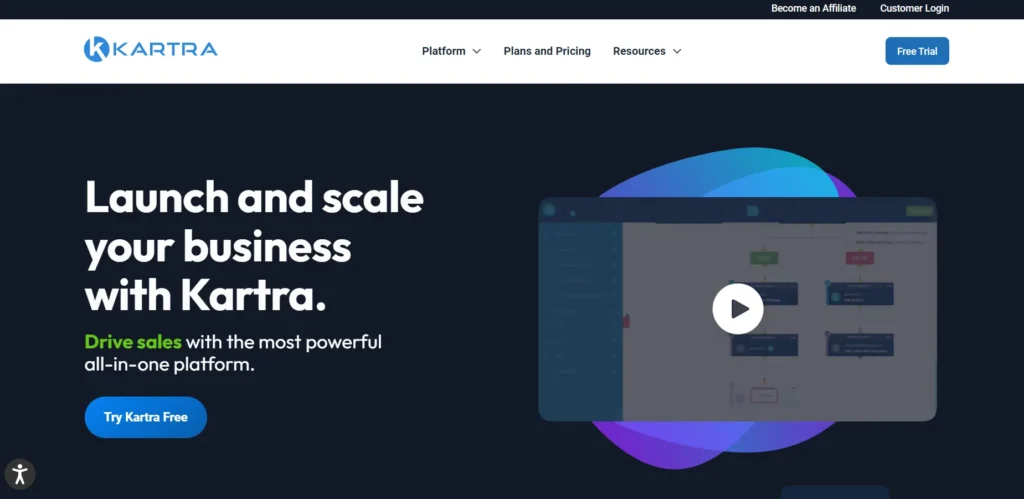
Kartra is a versatile platform that combines course creation with powerful marketing features. It provides an easy-to-use interface for building sales funnels, email marketing campaigns, and even membership sites.
Kartra is ideal for those who want a platform that combines both course creation and business management tools.
Final Thoughts
Building a successful online course in 2025 is about more than just uploading content. It’s about creating a structured, engaging learning experience that delivers real value to your students.
By following these 15 strategies, you can create a course that stands out, keeps learners engaged, and provides long-term success for both you and your audience.
The key is to remain adaptable, continuously improve, and always focus on delivering the best learning experience possible.
FAQs
What is the best way to choose a course topic?
Focus on a niche area that solves a specific problem. Instead of broad topics, choose something actionable that promises clear results for learners, such as “How to Increase Your Social Media Engagement in 30 Days.”
How can I validate my course idea before creating it?
You can validate your course idea by surveying your target audience, running polls on social media, or even pre-selling the course to gauge interest before you fully develop it.
What makes an online course engaging?
To keep learners engaged, include interactive elements like quizzes, assignments, live Q&A sessions, and discussion forums that allow students to interact with the content and each other.
Why is feedback important after launching a course?
Collecting feedback helps you identify areas for improvement, making your course better over time. It also shows students that you value their input, which can improve retention and satisfaction.
Should I update my course content regularly?
Yes, regularly updating your course ensures that the material remains relevant and reflects the latest trends or best practices in your niche, keeping students engaged and increasing retention.