
Creating an online course can be a rewarding experience, both intellectually and financially. With more people turning to online learning platforms to acquire new skills, there’s never been a better time to design your own course. But what makes a course truly successful?
It’s not just about providing information; it’s about offering a structured learning experience that captures the student’s attention, ensures they retain knowledge, and enables them to apply what they’ve learned.
In this guide, we’ll walk you through the top 10 ideas for creating content for your online course. From planning and content creation to engaging your students, we’ll cover everything you need to create an impactful course that leaves a lasting impression.
1. Define Clear Learning Outcomes
Before you start building your course, it’s essential to have a clear understanding of what you want your students to achieve by the end.
These outcomes guide every aspect of the course, from the structure to the delivery method, and they should be specific, measurable, and actionable.
Why This Is Important
Clear learning outcomes ensure that both you and your students know what they will gain from the course.
It helps you stay focused, prevents you from drifting off-topic, and ensures that your course stays relevant. For students, knowing the goals in advance provides motivation and a roadmap for their learning journey.
How to Set Clear Learning Outcomes
- Use action verbs: Words like “demonstrate,” “analyze,” or “apply” help clarify what students should be able to do after completing the course.
- Keep them measurable: For example, “Understand digital marketing” is vague. A better outcome would be, “Create a comprehensive digital marketing plan using SEO and social media.”
- Ensure they are achievable: Make sure the outcomes are realistic within the time frame of your course.
Example Learning Outcome:
By the end of this course, students will be able to build a responsive website using HTML, CSS, and JavaScript.
2. Create a Comprehensive Course Outline
A solid course outline is the backbone of any successful course. It helps you organize your thoughts, ensure all topics are covered, and make the course easy to follow for your students.
A good outline should follow a logical progression, starting with basic concepts and building up to more advanced material.
Why This Is Important
Without a clear outline, your course can become disorganized, and students might struggle to keep up. A structured course will also help you stay focused on the core topics, avoiding tangents that could overwhelm or confuse students.
Steps to Create an Outline:
- Divide the course into modules: Break the content into distinct units or lessons. Each module should cover one key aspect of the overall topic.
- Sequence the modules logically: Start with foundational material before moving to advanced topics. For example, in a coding course, begin with HTML before teaching JavaScript.
- Allocate time per module: Estimate how long each section will take to ensure you don’t overwhelm students or run out of time.
Tools to Help Create an Outline:
- Google Docs or Microsoft Word: Simple and easy to use for creating outlines.
- Trello or Notion: Great for organizing and tracking course progress.
3. Diversify Content Formats
To keep your students engaged, it’s essential to provide content in various formats. People have different learning styles, and some may prefer video content, while others might prefer reading.
By mixing up the types of content, you ensure that your students stay engaged and have different ways to absorb the material.
Why This Is Important
Diverse content formats make learning more dynamic and allow students to interact with the material in ways that best suit their individual learning preferences. Plus, it adds variety and keeps things interesting, which helps maintain engagement.
Content Formats to Consider:
- Video lessons: Perfect for explaining complex topics and demonstrating processes. Tools like OBS Studio, Loom, and Camtasia can help you record high-quality video lessons.
- Written content: Articles, PDFs, and notes can provide in-depth information and serve as a reference for students.
- Quizzes and polls: Interactive quizzes reinforce learning and give students an opportunity to test their knowledge.
- Infographics and diagrams: Visual aids help students grasp concepts quickly and easily.
- Discussion boards or forums: Engaging in conversations with peers helps students develop a deeper understanding.
4. Make High-Quality Video Lessons
When it comes to creating an online course, video is king. Video lessons are engaging, easy to consume, and effective for teaching a variety of subjects.
But not just any video will do. You need high-quality content that looks professional and is easy for students to follow.
Why This Is Important
Video lessons are one of the most effective ways to convey information, especially when explaining complex topics or performing step-by-step demonstrations. High-quality video enhances the learning experience and keeps students interested.
Tips for Creating Effective Video Lessons:
- Script your content: Plan what you’re going to say to keep the lesson organized and ensure you don’t miss key points.
- Invest in good equipment: High-quality audio and visual elements are essential. Consider using a decent microphone (such as the Blue Yeti) and a camera with good resolution.
- Keep videos short and engaging: Aim for 5–10 minutes per video. Shorter videos are easier to digest and keep students’ attention.
- Edit your videos: Trim any unnecessary parts and ensure smooth transitions. Editing software like Adobe Premiere Pro or iMovie can help.
- Add subtitles or captions: Not only does this make your course more accessible, but it also helps with student retention.
5. Incorporate Interactive Elements
Interactive elements like quizzes, assignments, and polls encourage active participation, which can help solidify learning. Rather than just passively consuming content, students should be encouraged to engage and apply what they’ve learned.
Why This Is Important
Interactivity boosts engagement and makes learning more enjoyable. It allows students to test their knowledge, receive immediate feedback, and actively participate in their own learning process.
Furthermore, quizzes and assignments give you an opportunity to assess progress.
Examples of Interactive Elements:
- Quizzes: These can be used after each module to assess comprehension.
- Assignments: Give students the chance to demonstrate what they’ve learned by completing projects.
- Polls: Get feedback from your students on how they feel about the course or what they’d like to learn next.
- Discussion forums: Allow students to ask questions, share insights, and collaborate with peers.
6. Design Content with Accessibility in Mind
One of the most important aspects of online course creation is ensuring that your content is accessible to all learners, including those with disabilities.
By following accessibility best practices, you make your course more inclusive and provide a better learning experience for everyone.
Why This Is Important
Accessible content ensures that your course reaches a wider audience and provides an equal learning opportunity for all students. It’s also an ethical responsibility to consider the diverse needs of your students.
Accessibility Best Practices:
- Provide text alternatives: Use captions for videos, and provide transcripts or PDFs of audio material.
- Use readable fonts and large text sizes: Make sure your content is legible on all devices.
- Ensure compatibility with screen readers: Use appropriate heading structures, and include alt text for images.
- Offer alternative formats: Provide content in different formats like audio or PDFs, allowing students to choose what works best for them.
7. Choose the Right Course Platform
Selecting the right platform to host your course is crucial to its success. The platform should align with your course content, your teaching style, and the needs of your students.
Why This Is Important
Your choice of platform determines the user experience for both you and your students. A poor platform can lead to technical difficulties, frustration, and poor student engagement.
Key Features to Look For:
- Ease of use: The platform should be intuitive for both instructors and students.
- Customization: Look for platforms that allow you to brand your course and adjust the layout to suit your needs.
- Assessment tools: Many platforms have built-in quizzes, assignment submissions, and grading systems.
- Support: Opt for a platform that provides good customer service and resources to help you create and manage your course.
Popular Course Platforms:
- Teachable
- Thinkific
- Udemy
- Skillshare
8. Implement Assessment and Feedback Mechanisms
Assessments are an essential part of any course, as they help measure how well students are understanding the material. But assessments alone are not enough. Providing timely and constructive feedback is just as important.
Why This Is Important
Regular assessments help gauge student progress, while feedback lets students know where they’re excelling and where they need improvement. It also motivates them to continue learning.
Types of Assessments to Include:
- Formative assessments: These can be quizzes or assignments that happen throughout the course. They allow you to monitor student progress.
- Summative assessments: These are more comprehensive and occur at the end of a module or the entire course. For example, a final exam or a capstone project.
- Peer reviews: Allow students to review each other’s work to deepen their understanding.
9. Market Your Course
Creating a great course is only half the battle. The other half is making sure people know it exists. Marketing is essential to the success of your course. Without effective marketing, even the best course can go unnoticed.
Why This Is Important
Marketing helps you reach potential students and build a community around your course. It drives sales, increases brand awareness, and establishes you as an authority in your field.
Effective Marketing Strategies:
- Use social media: Post content related to your course, engage with followers, and promote your course through targeted ads.
- Offer free content: Consider offering free webinars, free lessons, or other valuable resources to attract students.
- Leverage email marketing: Build an email list and use it to nurture relationships with potential students.
- Collaborate with influencers: Partnering with influencers in your niche can help you reach a wider audience.
10. Continuously Update and Improve Your Course
A course isn’t a one-and-done creation. As you gather feedback from students and as your field evolves, it’s important to revisit your course and make improvements.
Why This Is Important
Regular updates keep your content relevant and valuable. Students will appreciate knowing that the course reflects the latest information and trends.
How to Improve Your Course Over Time:
- Solicit student feedback: Ask for feedback through surveys or reviews to identify areas for improvement.
- Stay current: Update your content to reflect the latest trends, best practices, or technological advancements in your field.
- Iterate based on data: Use performance data like course completion rates and quiz scores to refine and improve your content.
Top Online Course Tools
When it comes to choosing the right platform for your online course business, there are several strong contenders in 2025. Here’s a breakdown of some of the top platforms to consider.
1. Thinkific
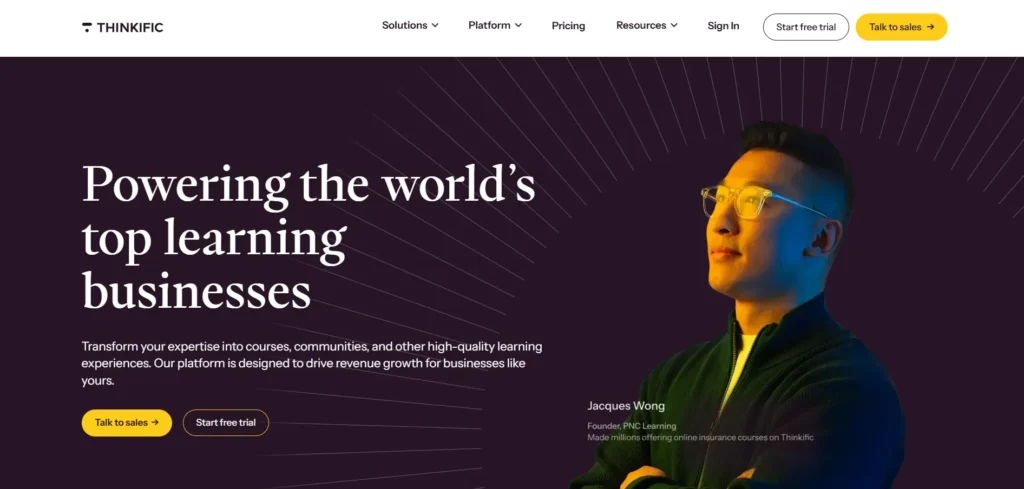
Thinkific is a leading platform known for its robust course creation tools and ease of use. It allows you to create a variety of content types, including video, quizzes, and assignments.
Thinkific also offers a strong suite of marketing tools, including automated email campaigns and integrations with popular platforms like Mailchimp and Zapier.
2. Teachable
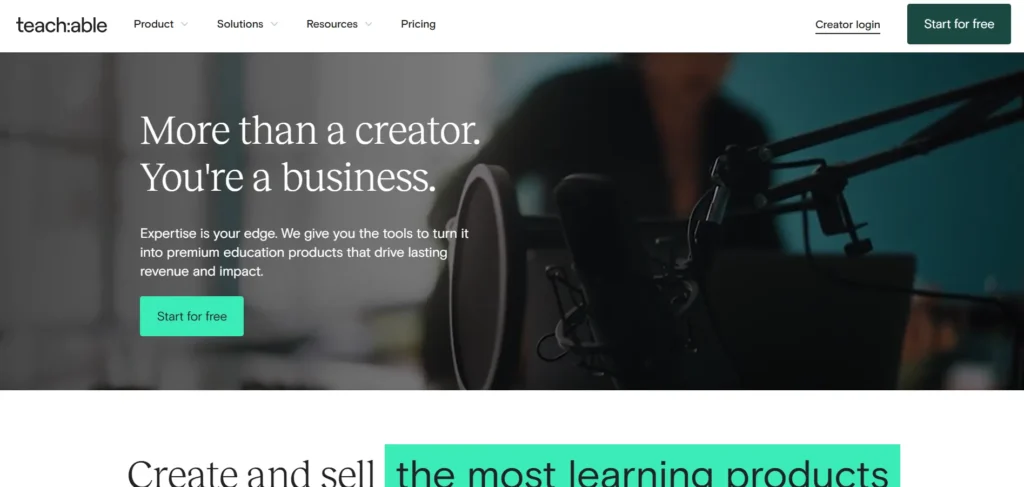
Teachable is another well-known name in the online course space. It’s user-friendly and allows you to easily create and sell courses.
The platform has a wide range of customization options, strong monetization features, and integrates seamlessly with third-party tools like PayPal and Stripe.
3. Kajabi
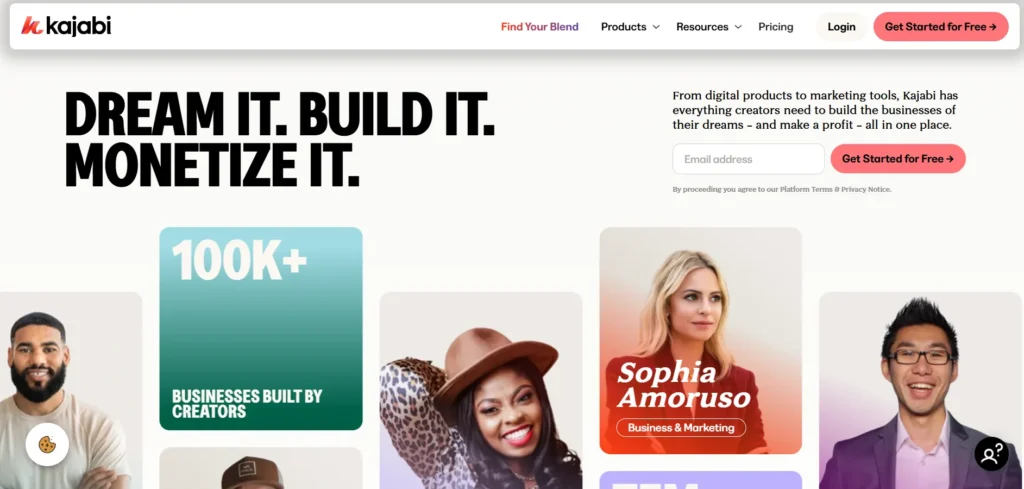
Kajabi is a powerful all-in-one platform for course creation, marketing, and sales. It provides advanced marketing tools like automated email sequences, landing pages, and sales funnels.
Kajabi is particularly great for creators who want an all-inclusive solution for selling and managing their courses.
4. LearnWorlds
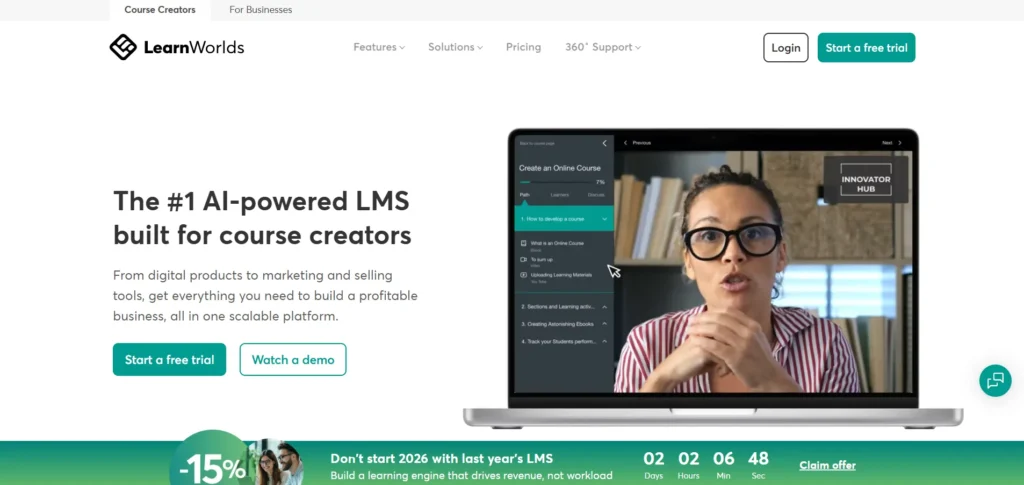
LearnWorlds stands out for its interactive features and advanced analytics. It’s designed to create highly engaging learning experiences with tools like video interactions and quizzes.
LearnWorlds also provides excellent branding options and is known for its user-friendly interface.
5. Kartra
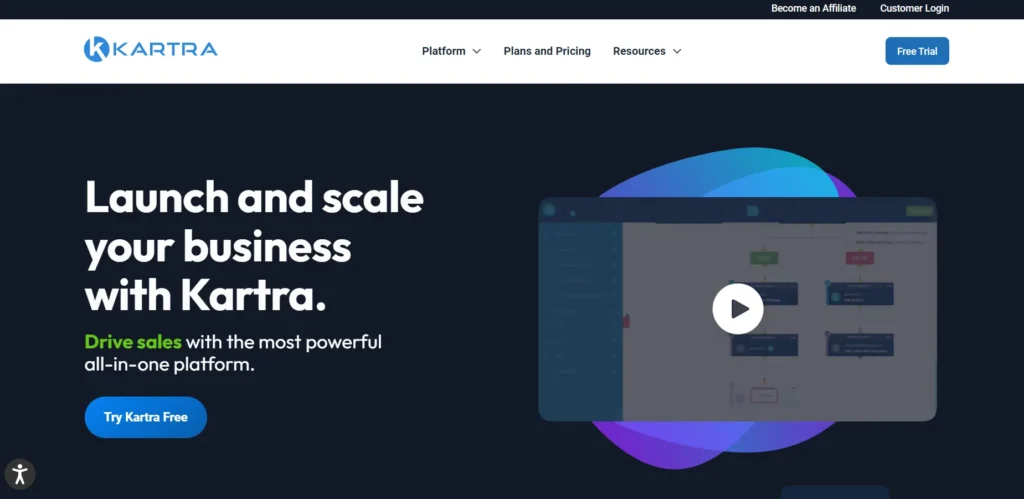
Kartra is a versatile platform that combines course creation with powerful marketing features. It provides an easy-to-use interface for building sales funnels, email marketing campaigns, and even membership sites.
Kartra is ideal for those who want a platform that combines both course creation and business management tools.
Conclusion
Creating an online course takes time, effort, and attention to detail, but the rewards are worth it. By following these 10 steps, you’ll be well on your way to crafting a course that not only educates but also engages, inspires, and empowers your students.
Whether you’re teaching a technical skill, a creative craft, or a business strategy, the principles outlined in this guide will help you create a course that stands out and delivers value.
Remember, a successful online course isn’t just about the content you present. It’s about how you structure, deliver, and engage with your students.
Keep refining your course based on feedback, trends, and new developments in your field, and you’ll build a course that attracts learners and keeps them coming back.
FAQs
What’s the first step in creating an online course?
Start by defining clear learning outcomes. Know exactly what you want your students to achieve by the end of the course, which will guide the rest of your course creation process.
How long should my video lessons be?
Aim for video lessons that are 5-10 minutes long. This helps keep students engaged and makes the content easier to digest.
What is the best platform for hosting my online course?
Popular platforms include Teachable, Thinkific, and Udemy. Choose one that suits your needs, offering ease of use, customization options, and built-in assessment tools.
How can I keep students engaged in an online course?
Incorporate interactive elements like quizzes, assignments, and discussion boards. Mixing different content formats such as videos, written materials, and visuals also keeps things dynamic.
How do I ensure my course is accessible to all students?
Make your course accessible by using captions, providing transcripts, ensuring compatibility with screen readers, and offering content in multiple formats like audio and text.