
Creating and selling an online course is an exciting way to share your knowledge, build your personal brand, or even generate significant income.
If you’re a beginner, it may feel like an overwhelming task, but the truth is that anyone with expertise in a particular area can create and sell online courses.
The key is to break the process down into manageable steps. In this guide, we’ll walk you through the process of creating and selling an online course from start to finish.
By the end of this article, you’ll understand how to choose a topic, create high-quality content, and market your course to attract students.
1. Choose a Profitable and Evergreen Topic
The first step in creating an online course is to choose a topic. You want something that not only interests you but also has a market demand. To choose the right topic:
Assess Your Expertise
Start by thinking about areas where you have knowledge and experience. What are you an expert in? It could be a hobby, a skill, or a professional expertise.
Do you have specialized knowledge in marketing, photography, or fitness? You don’t have to be a world-renowned expert, but you should have enough knowledge to teach others effectively.
Identify Audience Pain Points
Once you’ve identified your area of expertise, it’s time to think about your target audience. What challenges or problems do they face that you can help solve?
Research online communities, forums, or social media groups to discover the pain points of your potential learners.
For instance, if you’re into digital marketing, you could create a course teaching small businesses how to grow their online presence. If you’re a fitness enthusiast, a course on “How to Stay Fit at Home” could attract a wide range of students.
Evaluate Market Demand
Choosing an evergreen topic is essential. Evergreen topics are always in demand because they address common and ongoing problems. Topics like personal finance, health, productivity, coding, and self-improvement never go out of style.
Tools like Google Trends, Udemy, and Skillshare can help you assess the popularity of your potential course ideas. A profitable course topic is one that resonates with both your expertise and your audience’s needs.
2. Validate Your Course Idea
Once you’ve selected a topic, it’s essential to validate your course idea. Validation helps you determine if people are actually interested in paying for the course you plan to create.
Conduct Surveys
Start by surveying potential learners. You can use free tools like Google Forms or SurveyMonkey to create a simple survey and ask people whether they would be interested in taking your course. Offer them a few course ideas and see which one gets the most responses.
Engage on Social Media
Social media is a powerful tool for market research. Join Facebook groups, LinkedIn communities, or Reddit forums related to your topic.
Observe the conversations, and if possible, ask questions about whether people would be willing to pay for a course on the subject you’re considering.
Offer a Free Webinar
One of the best ways to validate your idea is to host a free webinar or mini-course. This lets you test the waters and gauge the level of interest before you create the entire course.
By offering free content, you also build a list of interested potential customers for when your course is ready to launch.
3. Define Clear Learning Outcomes
Having clear learning outcomes is crucial for both your course design and your students. Clear outcomes set expectations and help guide the structure of your course. Ask yourself, “What will students be able to do after taking this course?”
Skills and Knowledge Acquisition
Your course should help learners acquire new skills or knowledge that they can apply in real life. Be specific about what students will achieve.
For example, if you’re teaching “How to Use Photoshop,” your learning outcome could be “By the end of this course, students will be able to create professional-grade graphics using Photoshop.”
Behavioral Changes
A good course should not only teach skills but also encourage behavioral changes. For instance, a personal finance course may not only teach students about budgeting but also encourage them to start tracking their expenses.
Make sure your course outcomes are clear, measurable, and achievable, so students know exactly what they’ll gain from enrolling.
4. Structure Your Course Content
Once you’ve defined the learning outcomes, the next step is to structure your course content. A clear structure makes the learning process smooth and engaging for students.
Break It Down Into Modules and Lessons
Divide your course into logical modules or sections. Each module should cover one aspect of the topic, and each lesson within the module should be focused on a specific skill or concept.
For example, if your course is about photography, the modules could be:
- Introduction to Photography
- Understanding Your Camera Settings
- Composition and Framing
- Editing Photos in Lightroom
- Taking Professional Photos
Use a Variety of Content Formats
Different people learn in different ways. Some prefer videos, while others prefer reading text. To cater to all types of learners, use a variety of content formats:
- Videos: Videos are highly engaging and easy to consume.
- Quizzes and Assignments: These help reinforce learning and encourage active participation.
- Text-Based Lessons: Detailed articles or slides can supplement video lessons.
- Downloadable Resources: Offering templates, workbooks, or checklists adds extra value.
Make it Interactive
Include interactive elements like quizzes, discussion forums, or live Q&A sessions to keep students engaged and motivated.
5. Choose the Right Course Platform
Now that you have your content ready, it’s time to choose a platform to host and sell your course. Some platforms provide all-in-one solutions, while others specialize in specific features.
1. Thinkific
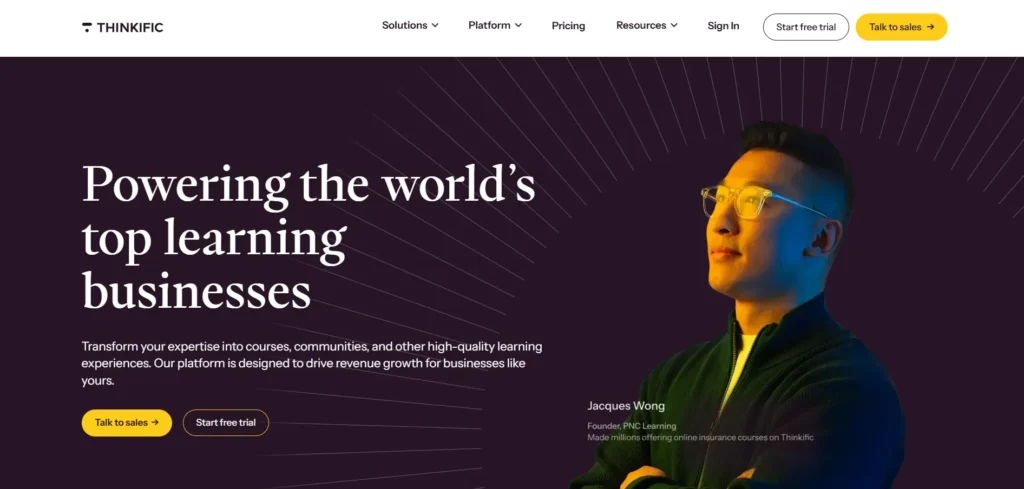
Thinkific is a leading platform known for its robust course creation tools and ease of use. It allows you to create a variety of content types, including video, quizzes, and assignments.
Thinkific also offers a strong suite of marketing tools, including automated email campaigns and integrations with popular platforms like Mailchimp and Zapier.
2. Teachable
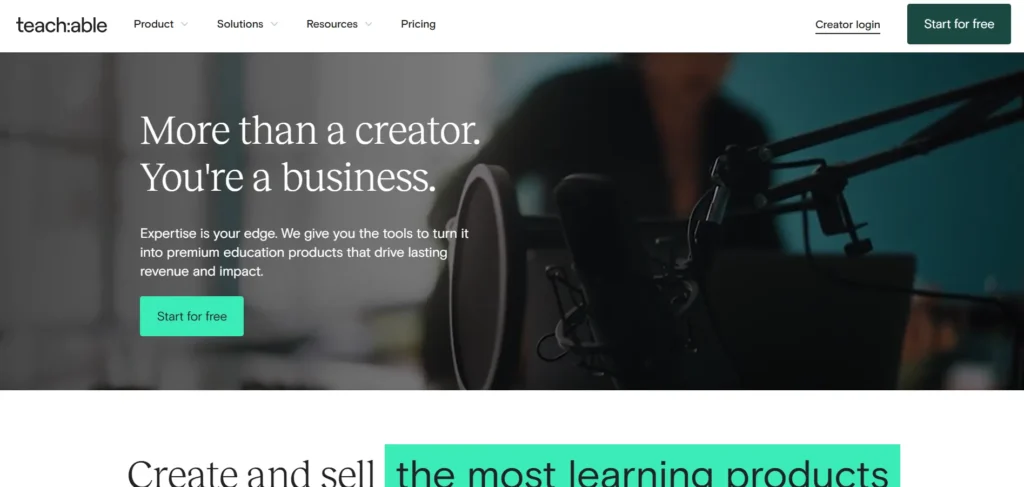
Teachable is another well-known name in the online course space. It’s user-friendly and allows you to easily create and sell courses.
The platform has a wide range of customization options, strong monetization features, and integrates seamlessly with third-party tools like PayPal and Stripe.
3. Kajabi
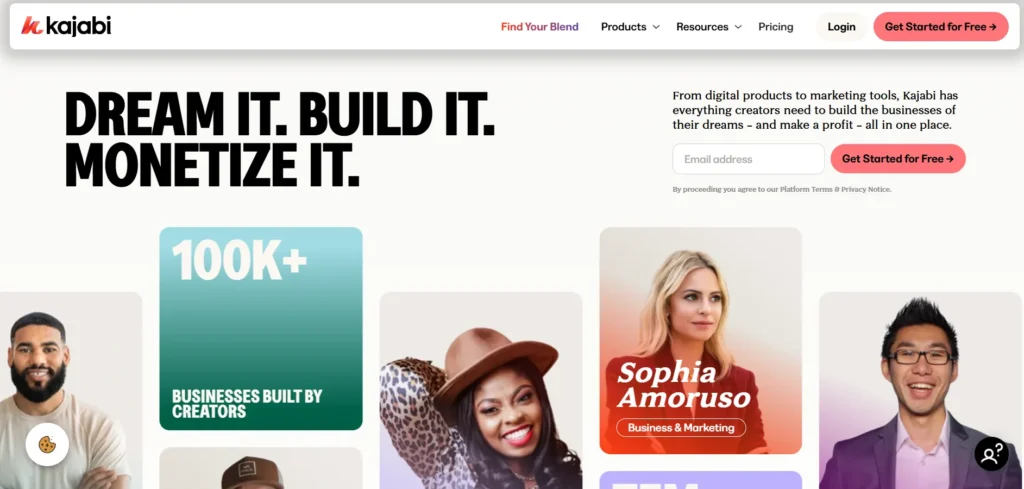
Kajabi is a powerful all-in-one platform for course creation, marketing, and sales. It provides advanced marketing tools like automated email sequences, landing pages, and sales funnels.
Kajabi is particularly great for creators who want an all-inclusive solution for selling and managing their courses.
4. LearnWorlds
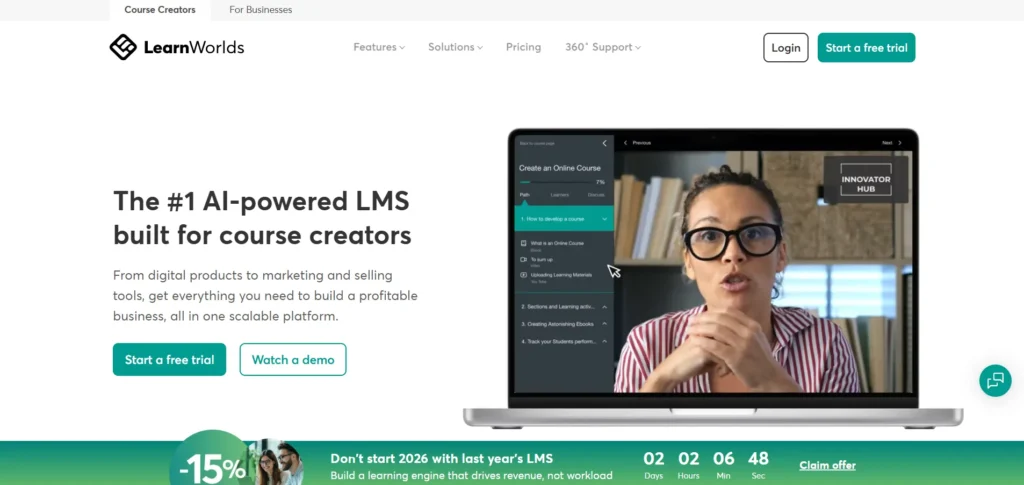
LearnWorlds stands out for its interactive features and advanced analytics. It’s designed to create highly engaging learning experiences with tools like video interactions and quizzes.
LearnWorlds also provides excellent branding options and is known for its user-friendly interface.
5. Kartra
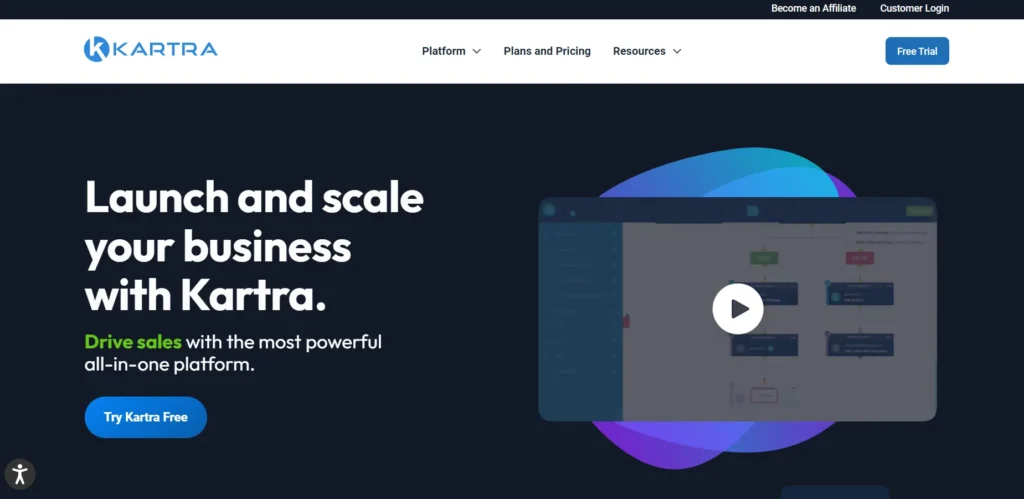
Kartra is a versatile platform that combines course creation with powerful marketing features. It provides an easy-to-use interface for building sales funnels, email marketing campaigns, and even membership sites.
Kartra is ideal for those who want a platform that combines both course creation and business management tools.
Choose the platform that best suits your needs and budget.
6. Create High-Quality Course Materials
High-quality course materials make a significant difference in attracting and retaining students. Here’s how to create content that stands out:
Invest in Good Equipment
When recording videos, make sure you have the right equipment. A high-quality camera and microphone are essential. Poor audio or video quality can turn students off quickly.
Consider using a professional microphone, good lighting, and a decent camera to make your videos look and sound professional.
Edit Your Videos
Editing is crucial for ensuring your videos are clear and concise. Remove unnecessary parts, add captions, and incorporate graphics or animations to emphasize key points.
Use Visual Aids
Visual aids like slides, infographics, and screen recordings can help explain complex concepts more clearly. Visuals also keep learners engaged and can aid memory retention.
7. Set a Realistic Pricing Strategy
Setting the right price for your course is essential for maximizing your revenue. Pricing too low can undervalue your course, while pricing too high might deter potential students.
Market Research
Start by researching the prices of similar courses. This will give you a ballpark idea of what people are willing to pay for courses in your niche.
If you’re offering a beginner-level course, a lower price might be more appropriate, while an advanced course with more in-depth content can be priced higher.
Understand Your Costs
Factor in the cost of your course creation tools, marketing efforts, and platform fees when setting a price. It’s essential to ensure that you can cover these costs and still make a profit.
Test Different Price Points
If you’re unsure about the right price, you can test different price points and see which one generates the most sales. Offering discounts, early-bird pricing, or payment plans can also incentivize students to enroll.
8. Develop a Marketing Plan
Marketing is crucial for attracting students to your course. Without marketing, even the best course can go unnoticed. Here are some effective marketing strategies:
Build an Email List
Building an email list is one of the most effective ways to market your course. Use lead magnets such as free eBooks, checklists, or mini-courses to attract potential students.
Once they’re on your list, nurture the relationship by sending them valuable content, course updates, and special offers.
Leverage Social Media
Social media platforms like Instagram, Facebook, and LinkedIn are great for promoting your course. Share valuable content that aligns with your course and engage with your followers regularly.
You can also use paid ads on these platforms to reach a broader audience.
Use Influencers or Affiliates
Partner with influencers or affiliates who can promote your course to their audiences. This helps you tap into their following and increase course visibility.
9. Launch Your Course
A successful launch is key to your course’s long-term success. Here’s how to launch effectively:
Pre-Launch Buzz
Start promoting your course before it’s ready. You can share sneak peeks, launch countdowns, and teaser videos to generate excitement. Creating a sense of anticipation will lead to more enrollments once the course is available.
Launch Day
On launch day, host a live session, webinar, or Q&A to engage with potential students. Answer questions and provide them with a clear path to enroll in your course.
Post-Launch Follow-Up
Once your course is live, follow up with potential students who may not have enrolled. You can send reminder emails, offer special discounts, or highlight testimonials from early students.
10. Collect Feedback and Iterate
Your course isn’t finished once it’s launched. Collect feedback from students to improve and expand your content:
Request Reviews
Ask students for feedback and testimonials. Positive reviews can help build trust with potential customers, while constructive criticism can guide your future course updates.
Analyze Data
Look at your course analytics to see how students are engaging with the material. Are they completing the course?
Which modules are most popular?
Use this data to tweak your content and improve the learner experience.
Update Regularly
Keep your course updated with new content and industry trends. Regular updates show that you’re committed to providing value and can lead to better student retention.
Conclusion
Creating and selling an online course is an achievable goal for anyone with expertise and a clear plan.
By following these steps—from selecting a profitable topic to launching your course—you can create a valuable learning experience for students and generate income.
Just remember to stay committed, keep improving your content, and focus on delivering real value to your students.
With the right approach, you can build a successful online course business that continues to grow and evolve over time.
FAQs
What is the best platform to sell my online course?
Popular platforms for beginners include Teachable, Udemy, and Kajabi. Each offers different features, such as ease of use, marketing tools, and payment options. Choose based on your budget and needs.
How much should I charge for my online course?
Pricing depends on the course content, length, and market demand. Research similar courses to understand industry standards, then price based on the value you’re offering.
Do I need a large following to sell an online course?
No, but having an audience helps. You can start by marketing your course through email lists, social media, or offering free webinars to build credibility.
How long does it take to create an online course?
Creating a high-quality course can take anywhere from a few weeks to a few months, depending on the complexity of the content and the amount of preparation involved.
Can I update my course after it’s launched?
Yes! It’s essential to update your course periodically to reflect new trends, add fresh content, or improve based on student feedback. This keeps your course relevant and valuable.