
The online learning industry is on an unstoppable rise. In fact, the market size for online education is expected to surpass $222 billion by 2035.
As more people turn to the internet for educational opportunities, there’s never been a better time to launch your own online course. But with so many options, how do you decide on the most profitable and impactful idea for your course?
This guide will walk you through everything you need to consider before selecting an online course idea that has the potential to be both profitable and sustainable in 2025.
1. Understand Market Demand
Before you even think about creating a course, you need to understand what potential learners are searching for. The online learning market is vast, and if you’re not careful, you could end up in a saturated niche with little opportunity for growth.
Key Tools for Identifying Market Demand
- Google Trends: This tool is incredibly helpful in gauging interest in a topic over time. You can search for keywords and see if they’re gaining or losing interest.
- Udemy Insights: Udemy is one of the most popular platforms for online courses. The insights tool lets you see how many courses exist in a specific niche and the average earnings of course creators in that field.
- AnswerThePublic: This free tool visualizes questions and phrases people are typing into search engines. It can help you pinpoint niche topics people are curious about.
By utilizing these tools, you’ll be able to identify hot topics that will attract a steady flow of students. For instance, topics like artificial intelligence, digital marketing, and cybersecurity are expected to continue experiencing massive demand.
Action Steps
- Analyze Trends: Start by searching for trending topics and determining their demand.
- Identify Untapped Niches: Look for subjects that have rising interest but few high-quality course offerings.
- Consider Timeless Topics: There are certain evergreen topics—like financial literacy, personal development, and language learning—that consistently have a demand. Consider blending these timeless subjects with emerging trends.
2. Evaluate Profitability
A profitable course isn’t just about having demand—it’s also about how much people are willing to pay for the course and whether your chosen niche offers enough value to justify that price.
Pricing Strategy
- Premium Pricing: If you have specialized knowledge, you may be able to charge a higher price for in-depth, high-quality courses. Fields like machine learning and deep tech tend to have a higher price point because of the perceived expertise required.
- Affordable Pricing: Alternatively, you may want to price your course lower to attract a wider audience. Courses in areas like personal finance or digital marketing can often be priced affordably yet still generate considerable revenue.
Upsell Potential
- Multiple Course Levels: If you’re teaching a complex subject, consider offering multiple levels—beginner, intermediate, and advanced. This allows learners to continue with your content as they progress.
- Coaching and Consulting: Many online course creators supplement their income by offering one-on-one coaching sessions or group workshops. This is especially lucrative if your course involves specialized skills or personalized strategies.
Action Steps
- Research Course Pricing: Look at other similar courses in your niche and determine their price range.
- Consider Multiple Revenue Streams: Plan how you can incorporate upsells or premium packages into your course offerings.
3. Keep an Eye on Emerging Trends
The online education market is dynamic, with new trends emerging regularly. In 2025, several trends are gaining traction that could provide opportunities for profitable course ideas:
Top Trends to Watch in 2025
- AI and Automation: As industries continue to integrate artificial intelligence and automation tools, there’s a growing need for courses in data science, AI implementation, and machine learning. These fields not only offer high salaries but also present an opportunity to create high-demand, premium-priced courses.
- Virtual Reality (VR) and Augmented Reality (AR): These technologies are transforming education by offering immersive, interactive learning experiences. Offering courses that teach VR/AR development could position you at the forefront of a new educational wave.
- Microlearning: With busy professionals seeking quick and focused content, microlearning has become a top trend. These are bite-sized lessons that learners can easily consume in short time frames, making them ideal for specific skill-building.
- Soft Skills: As automation and AI continue to evolve, soft skills like emotional intelligence, leadership, and creativity remain in high demand. Courses that focus on improving these skills are unlikely to lose relevance in 2025.
Action Steps
- Explore Technology Integration: Research how you can incorporate emerging technologies like AI and AR into your course. This could give you a competitive edge.
- Focus on Skills of the Future: Think about the skills that will be essential in the coming years. Topics related to emotional intelligence, creativity, and strategic thinking will likely remain crucial as industries change.
4. Align with Your Passion and Expertise
While market demand and profitability are essential, your personal passion and expertise should also play a role in your course selection. Creating a course in a field you’re passionate about will not only make the process more enjoyable but also result in more authentic, high-quality content.
Reflect on Your Strengths
- Assess Your Skills: Make a list of your top skills, whether they are professional expertise or personal interests. Can you teach something that comes naturally to you? Are you already an expert in any field? This could be the foundation for your course idea.
- Tap into Personal Experiences: If you’ve overcome challenges that others are struggling with, this could be a great opportunity for a course. Personal development, mental health, and wellness courses often resonate with audiences when they are based on real experiences.
Action Steps
- Identify Your Strengths: Write down your skills and interests to see where they align with current trends and market demand.
- Test Your Idea: Share your ideas with peers or potential students. Getting feedback early on can help you refine your course idea.
5. Validate Your Course Idea
Before investing significant time and resources into course creation, it’s wise to validate your course idea first. This ensures that there’s genuine interest in your topic and reduces the risk of failure.
Validation Techniques
- Surveys and Polls: Create a survey and ask potential students if they would be interested in the course. Tools like SurveyMonkey or Google Forms make this easy to execute.
- Pre-Sell Your Course: Offering early access or discounts can help you gauge interest. If people are willing to pay for your course upfront, this is a strong indicator that there’s demand.
- Pilot Programs: Run a small pilot course to test your content. You can offer this for a discounted price or even for free in exchange for feedback.
Action Steps
- Create a Survey: Ask your target audience what topics they would be willing to pay for.
- Launch a Beta Course: Offer a smaller, cheaper version of your course to get real-time feedback and validate the concept.
6. Consider Scalability
Once your course idea is validated and you’re ready to launch, scalability becomes a key consideration. A scalable course can reach a large audience without requiring proportional increases in effort.
Ways to Scale Your Course
- Automate Delivery: Using an eLearning platform like Teachable or Thinkific can automate aspects like registration, payments, and content delivery.
- Create Evergreen Content: Develop courses that don’t require constant updates, ensuring you don’t need to spend a lot of time maintaining the material.
- Offer Group Coaching: In addition to your course, you can offer group coaching sessions or live Q&As, which allows you to scale by helping many students at once.
Action Steps
- Use an eLearning Platform: Leverage a platform that automates your course delivery and management.
- Create Evergreen Courses: Focus on creating content that remains relevant over time.
7. Analyze Competition
Before finalizing your course idea, take a close look at your competitors. A competitive analysis helps you identify gaps in the market and areas where you can offer something better or different.
Competitor Research
- Study Competitor Courses: Look at courses that are already popular in your niche. What are their strengths and weaknesses? How can you do it better?
- Check Customer Reviews: Reading customer feedback on platforms like Udemy, Coursera, or Skillshare gives you insight into what students love and what could be improved.
Action Steps
- Identify Key Competitors: Research top competitors and evaluate their content, pricing, and reviews.
- Find Your Unique Angle: Look for areas where you can differentiate yourself, whether through pricing, content quality, or the inclusion of unique features.
8. Build a Marketing Strategy
Your course idea may be excellent, but without a solid marketing strategy, it might not reach the audience it deserves. Effective marketing is crucial for success in the online course world.
Marketing Tactics
- Content Marketing: Writing blogs, creating YouTube videos, or hosting webinars related to your course topic can build your authority and attract an audience.
- Social Media: Use platforms like Instagram, LinkedIn, and Facebook to promote your course and engage with potential students.
- Email Marketing: Build an email list and send regular updates, tips, and offers related to your course.
Action Steps
- Start Content Marketing Early: Begin creating content related to your course to build interest before launching.
- Create an Email List: Start collecting email addresses from interested individuals to inform them of your course launch.
Top Online Course Tools
When it comes to choosing the right platform for your online course business, there are several strong contenders in 2025.
Here’s a breakdown of some of the top platforms to consider.
1. Thinkific

Thinkific is a leading platform known for its robust course creation tools and ease of use. It allows you to create a variety of content types, including video, quizzes, and assignments. Thinkific also offers a strong suite of marketing tools, including automated email campaigns and integrations with popular platforms like Mailchimp and Zapier.
2. Teachable

Teachable is another well-known name in the online course space. It’s user-friendly and allows you to easily create and sell courses. The platform has a wide range of customization options, strong monetization features, and integrates seamlessly with third-party tools like PayPal and Stripe.
3. Kajabi

Kajabi is a powerful all-in-one platform for course creation, marketing, and sales. It provides advanced marketing tools like automated email sequences, landing pages, and sales funnels. Kajabi is particularly great for creators who want an all-inclusive solution for selling and managing their courses.
4. LearnWorlds
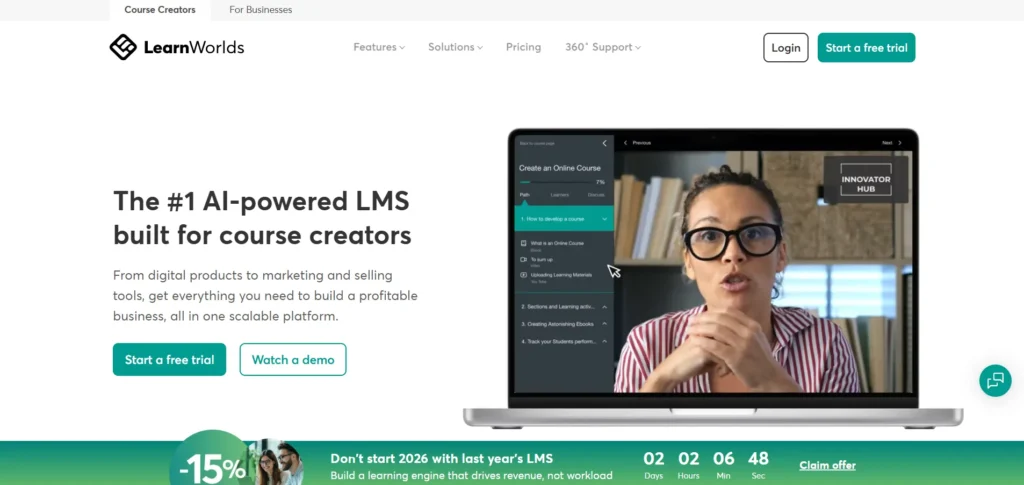
LearnWorlds stands out for its interactive features and advanced analytics. It’s designed to create highly engaging learning experiences with tools like video interactions and quizzes. LearnWorlds also provides excellent branding options and is known for its user-friendly interface.
5. Kartra
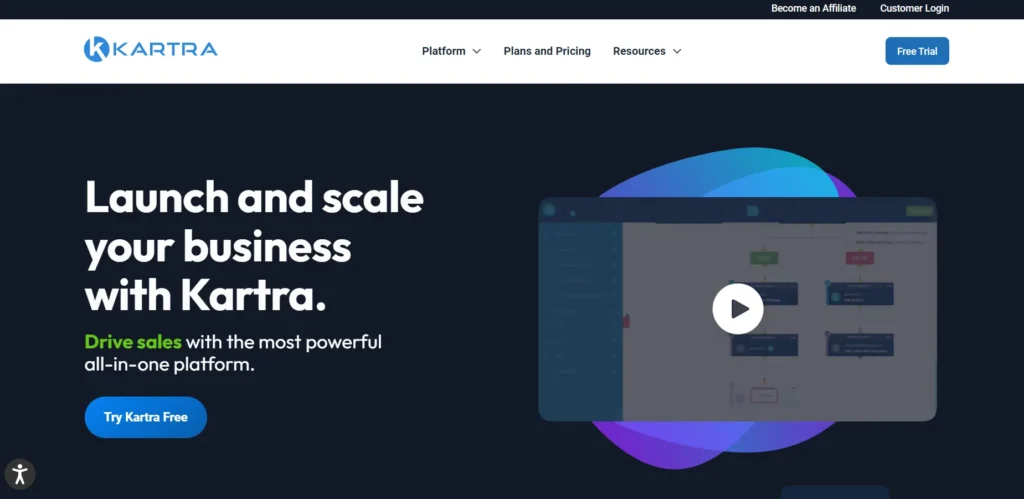
Kartra is a versatile platform that combines course creation with powerful marketing features. It provides an easy-to-use interface for building sales funnels, email marketing campaigns, and even membership sites. Kartra is ideal for those who want a platform that combines both course creation and business management tools.
Conclusion
Choosing a profitable online course idea in 2025 requires a combination of research, self-assessment, and strategic thinking. By evaluating market demand, profitability, emerging trends, and your own expertise, you can identify a course topic with high potential for success. Additionally, validating your idea, focusing on scalability, and analyzing competition will ensure that your course not only attracts students but also thrives in the competitive world of online learning.
FAQs
How do I know if my online course idea is profitable?
Evaluate market demand using tools like Google Trends, conduct competitor research, and consider potential upsell opportunities to gauge profitability.
Can I create an online course without being an expert?
Yes, as long as you’re learning and documenting your journey, you can offer value to others by sharing your experiences and insights.
What topics are in high demand for online courses in 2025?
Topics like AI, digital marketing, cybersecurity, and soft skills such as leadership and emotional intelligence are expected to be in high demand.
Should I offer free courses to build an audience?
Offering a free course or free trial can help you build an email list and attract potential paying students for your full course.
What’s the best platform to host my course?
Platforms like Teachable, Thinkific, and Udemy are popular choices. Your decision should depend on your course size, target audience, and specific features you need.