
In today’s digital age, online learning has become an invaluable tool for acquiring new skills, advancing careers, or pursuing personal interests. Two of the most popular and widely used online learning platforms are Udemy and edX, each offering a range of courses that cater to diverse learning goals.
Udemy, founded in 2010, is an accessible and affordable platform that provides a vast selection of practical, skill-based courses. It allows individuals to learn at their own pace, covering topics from programming and design to personal development and marketing. The flexibility and cost-effectiveness of Udemy make it a favorite among those looking for specific knowledge or looking to boost their professional skills.
On the other hand, edX, established by prestigious institutions like Harvard and MIT in 2012, offers a more academic approach to learning. It provides not just individual courses but also professional certifications, MicroMasters, and even degree programs, making it an excellent choice for those seeking deeper academic and professional credentials.
Both platforms have their own unique strengths, and this comparison will help you understand their differences in terms of course quality, pricing, certification, and learning experience, ultimately helping you choose the platform best suited to your learning needs.
1. Platform Overview
Udemy
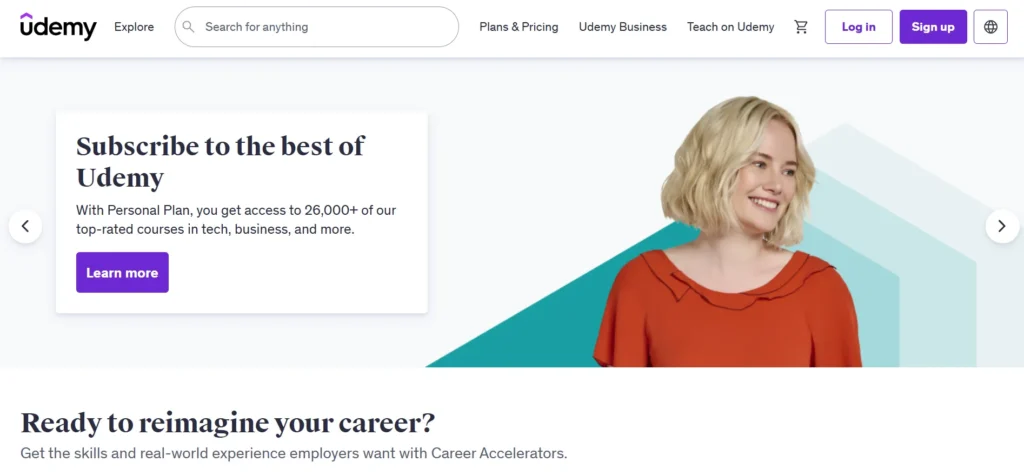
Founded in 2010, Udemy has quickly become one of the largest online learning platforms in the world. The platform boasts over 250,000 courses that cover a broad spectrum of subjects, including business, technology, arts, and personal development. One of Udemy’s main attractions is its affordability and ease of use.
Udemy is often seen as the go-to platform for people who are looking to pick up new skills, whether it’s programming, graphic design, photography, or even personal growth like time management and productivity.
edX
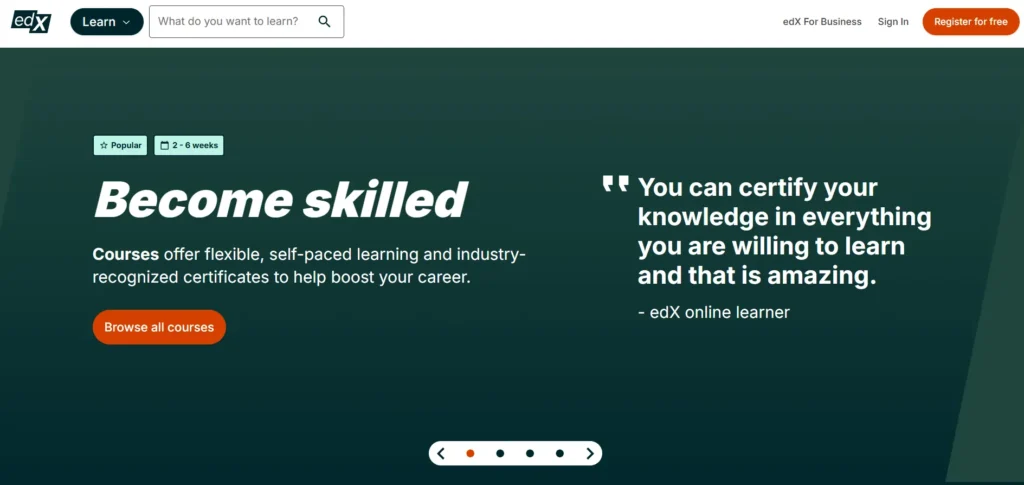
On the other hand, edX is a more academically focused platform. Launched in 2012 by two prestigious universities — Harvard University and MIT, edX is a nonprofit online learning platform. Its mission is to increase access to high-quality education globally.
edX offers over 2,500 courses from universities, institutions, and organizations around the world. The platform stands out by offering degree programs, MicroMasters, and professional certificates that hold more weight than a standard online certificate.
2. Course Offerings and Quality
Udemy
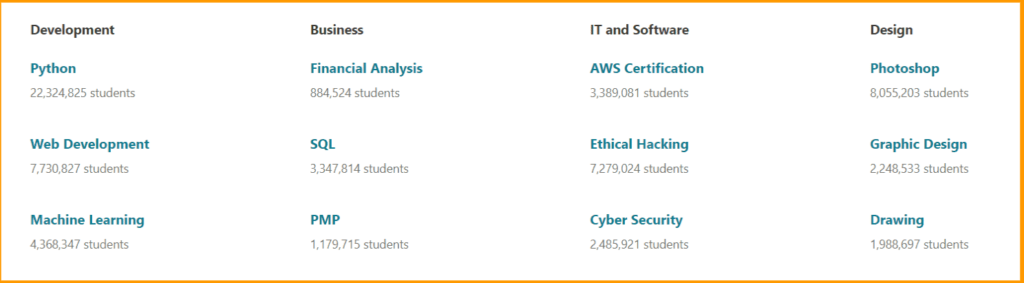
Udemy is home to an incredibly diverse range of courses. Since anyone can create and sell a course on Udemy, the platform offers an extensive variety of topics. However, because the platform is open to anyone, the quality of courses can vary significantly.
Some courses are taught by experienced industry professionals, while others are created by individuals with little to no formal teaching background. It’s important to read reviews, check ratings, and perhaps preview course content before enrolling to ensure the course meets your expectations.
That said, the majority of courses on Udemy are designed with practical application in mind. For example, if you want to learn a new programming language, master graphic design software, or improve your digital marketing skills, Udemy offers plenty of hands-on tutorials and guides.
edX
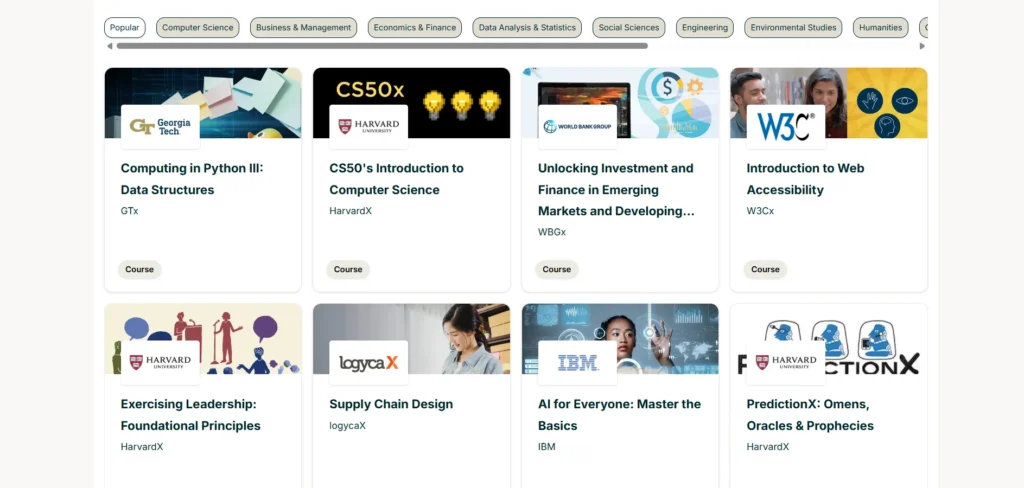
Unlike Udemy, edX works with top universities and institutions like Harvard, MIT, Microsoft, and others to offer high-quality educational content. All courses on edX are designed to reflect academic rigor, so you can expect the materials to be in-depth and thoroughly researched.
In addition to individual courses, edX offers various professional certifications and degree programs in partnership with renowned universities. These programs are designed to help learners gain specialized skills in fields such as data science, artificial intelligence, business management, and more.
edX’s course offerings tend to be more theory-based compared to Udemy’s hands-on approach, which means you’re likely to encounter more technical, research-driven content. The courses also tend to be longer and more comprehensive, with assessments, assignments, and even peer reviews for certain programs.
3. Certification and Accreditation
Udemy
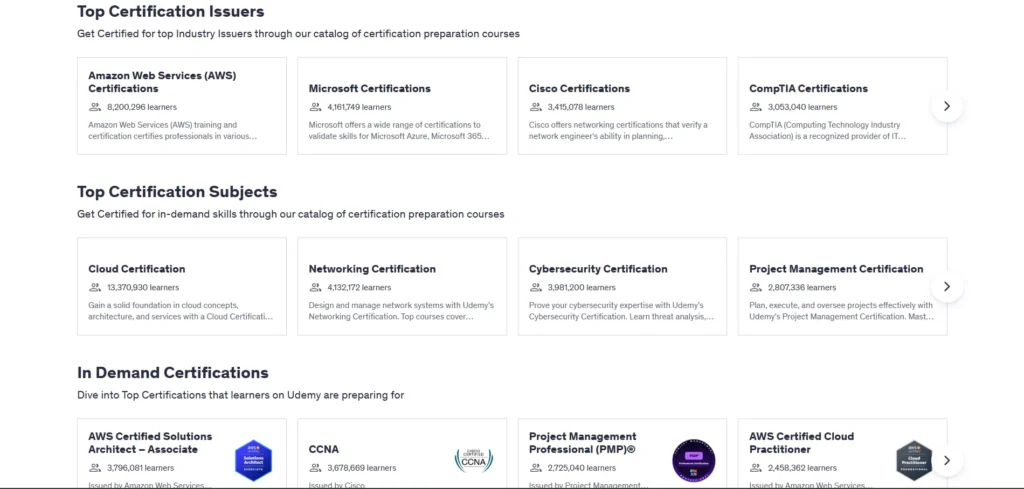
One of the significant factors that separate Udemy from other educational platforms is the type of certifications they offer. When you complete a Udemy course, you receive a certificate of completion. This certificate confirms that you’ve finished the course and acquired a certain set of skills, but it does not carry any academic or professional accreditation.
This means that while the certificate might be useful for your personal development or on your resume to showcase newly acquired skills, it will not hold weight in academic or professional settings where official accreditation is required.
However, Udemy’s certificates can still be valuable when applying for jobs or freelance opportunities where practical skills and knowledge are prioritized over formal qualifications.
edX
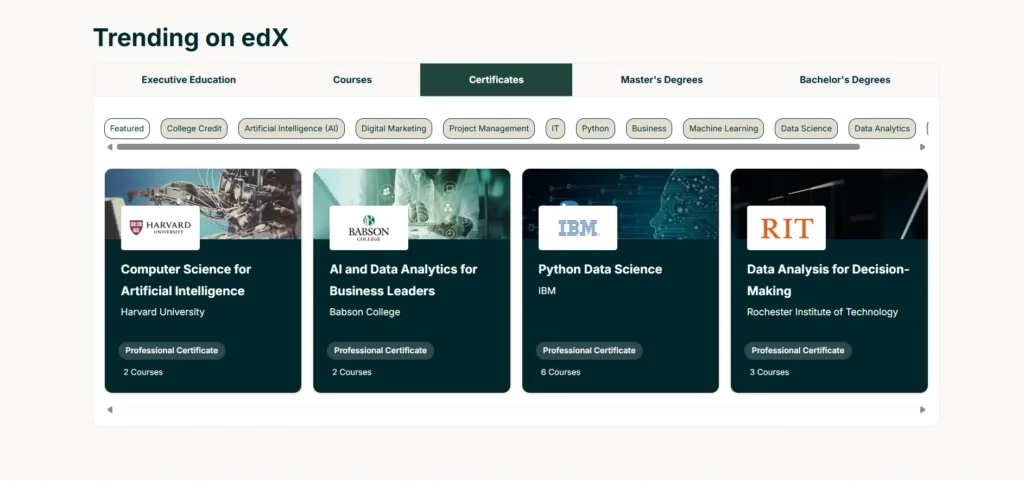
On the contrary, edX certificates hold more weight. Many courses on edX are available as part of degree programs or professional certificates that are officially accredited by universities or institutions. As a result, the certifications you earn through edX are recognized by employers and educational institutions alike.
If you’re looking for a degree or career-specific certificate that holds global recognition, edX is the better choice. In addition to regular courses, edX offers MicroMasters programs that can be a stepping stone toward earning a full Master’s degree. These programs are credit-eligible, which means the credits you earn through these courses can be transferred to universities for a full degree.
Moreover, edX provides verified certificates, which involve identity verification to ensure the person taking the course is the same person earning the certificate. This extra layer of authenticity makes edX certificates more credible compared to Udemy.
4. Pricing and Accessibility
Udemy
When it comes to pricing, Udemy is known for its affordability and frequent sales. The majority of Udemy courses cost between $10 and $200, with many of them available for discounted rates during special promotions. They also offer a money-back guarantee within 30 days if you’re not satisfied with the course, which makes it easy to try out different courses risk-free.
Udemy’s pay-per-course pricing model gives you the advantage of only paying for the courses you want. Once you purchase a course, you get lifetime access to the course content, allowing you to learn at your own pace.
While there are free courses on Udemy, most of the higher-quality courses come at a cost. However, compared to other platforms, Udemy is relatively cheap and provides a lot of value for money, especially when you can catch courses on sale.
edX
Pricing on edX is more complex compared to Udemy. While many courses are free to audit, obtaining a certificate or enrolling in more specialized programs such as MicroMasters or professional certificates requires payment. Prices for paid programs can vary significantly depending on the course or program, ranging from $50 to over $1,000.
If you are only interested in learning for personal development and don’t need a certificate, then auditing the course for free is an excellent option. However, if you want to receive a verified certificate or complete a professional program, expect to pay a premium for the certification.
Furthermore, edX offers financial assistance for learners who cannot afford to pay for the certificates or programs, which makes it more accessible to those on a budget.
5. Learning Experience and Support
Udemy
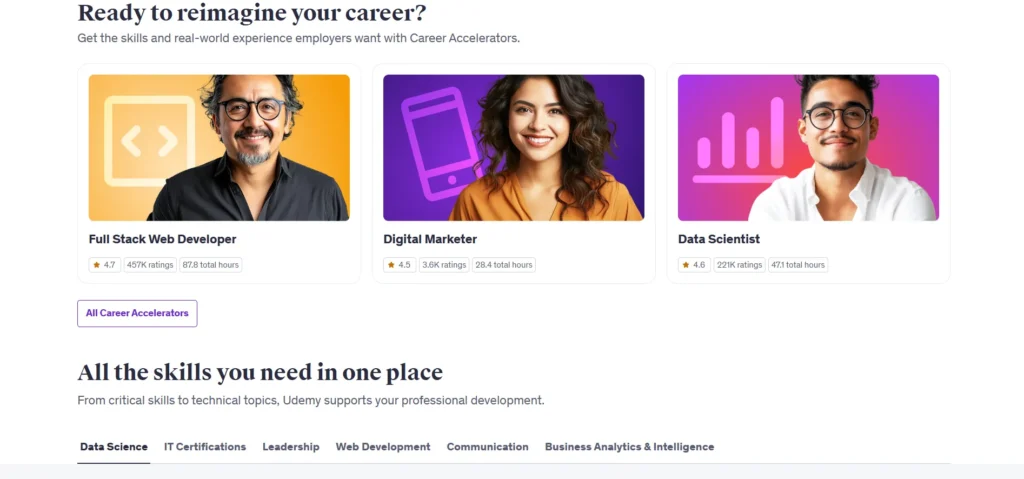
One of the major selling points of Udemy is its flexibility. You can take courses at your own pace, and once you purchase a course, you have lifetime access to it. This means you can review the course materials as many times as you want, which is perfect for those who prefer to learn at their own speed.
Udemy also offers a wide variety of learning formats. Courses may include video lectures, PDF resources, quizzes, and assignments. While the quality of these resources varies from course to course, most of them are self-paced, so you can fit your learning into your schedule without any pressure.
One downside of Udemy is that support is limited. Although each course comes with a Q&A section, support is not as structured as on platforms like edX. For example, instructors may not always respond quickly to questions, and some courses may lack the interaction and community engagement that edX provides.
edX
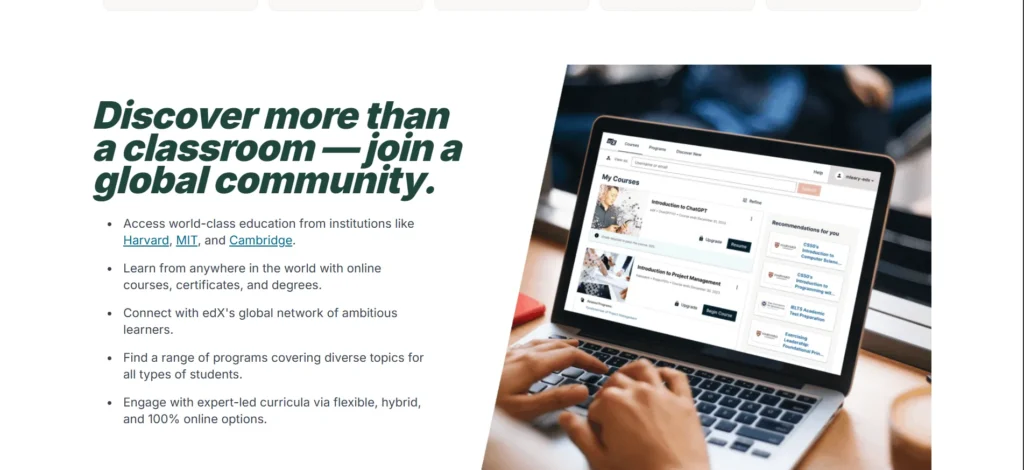
In contrast, edX provides a more structured and academic learning experience. Many courses on edX follow a set schedule with start and end dates, assignments, and deadlines. This can be a positive if you prefer having a clear roadmap for your learning, as it ensures that you stay on track and finish the course in a reasonable timeframe.
Another advantage of edX is that it includes peer reviews, graded assignments, and instructor feedback, which add to the depth of the learning experience. For many courses, there are discussion forums where you can engage with peers and instructors to clarify doubts or share insights.
Additionally, edX offers personalized learning paths for users enrolled in degree programs or professional certifications, ensuring that your educational journey is guided and focused.
6. Ideal Learner Profile
Udemy
Udemy is ideal for individuals looking for practical, hands-on courses that can help them gain specific skills quickly. If you’re looking to learn something that will help you in your career (like programming, marketing, or graphic design) or if you’re a hobbyist seeking personal growth, Udemy is a great platform to explore.
It’s especially beneficial for learners who prefer to study at their own pace without the pressure of deadlines. If you’re someone who likes to pick up new skills on the fly or is just starting out in a new field, Udemy’s practical and affordable courses are a great choice.
edX
edX, on the other hand, is perfect for learners who are looking for academic depth or want to earn credentials that are recognized globally. If you are aiming for career advancement through official certificates or need to pursue a degree, edX will provide you with a more structured, academic approach.
It is also well-suited for those who want to pursue specialized knowledge in fields like data science, business management, computer science, or engineering, especially if you want a certificate from a top university like Harvard, MIT, or Berkeley.
Conclusion
Both Udemy and edX are excellent online learning platforms, but they serve different types of learners. If you are looking for affordable, practical courses to gain skills in specific areas, Udemy is an excellent choice. It offers flexibility, affordable pricing, and a vast course selection.
However, if you are looking for academic depth and credentials that hold weight in professional settings, edX is the platform for you. With its affiliation with top universities and organizations, it provides a more structured, academically rigorous approach to learning.
Ultimately, the choice between Udemy and edX comes down to what you are looking for in your learning journey. Are you seeking practical knowledge that you can apply immediately, or are you aiming for more formal education with recognized credentials? Consider your learning goals, timeline, and budget, and choose the platform that best suits your needs.
FAQs
What is the main difference between Udemy and edX?
Udemy offers affordable, practical courses on various subjects, while edX provides academic, university-level courses, including certifications and degree programs.
Are Udemy certificates recognized by employers?
Udemy certificates are useful for showcasing skills but are not officially accredited and may not hold significant weight in academic or professional settings.
Can I audit courses for free on edX?
Yes, you can audit many courses for free on edX, but if you want a certificate or to participate in more advanced programs, you’ll need to pay.
How do the prices compare between Udemy and edX?
Udemy courses are generally more affordable, with many discounts available, while edX offers both free courses and premium programs, with costs varying depending on the course or program.
Which platform is better for beginners?
Udemy is ideal for beginners who want to quickly learn specific skills at their own pace, while edX is better for those seeking more in-depth academic learning and certifications.