
In today’s digital era, online learning platforms have revolutionized the way people acquire new skills. With a wide range of choices, two platforms often come up in discussions for their unique offerings: MasterClass and DataCamp.
Each platform caters to different audiences, but both are leaders in their respective niches. While MasterClass brings in celebrity-led courses from various domains, DataCamp is known for its data science-focused education. So, which platform suits your learning goals?
Let’s dive deep into the comparison to understand their strengths, weaknesses, and which one might be the best fit for you.
1. Introduction: A Glimpse Into MasterClass and DataCamp
Before we explore the detailed comparison, let’s take a quick look at the essence of both platforms:
What is MasterClass?
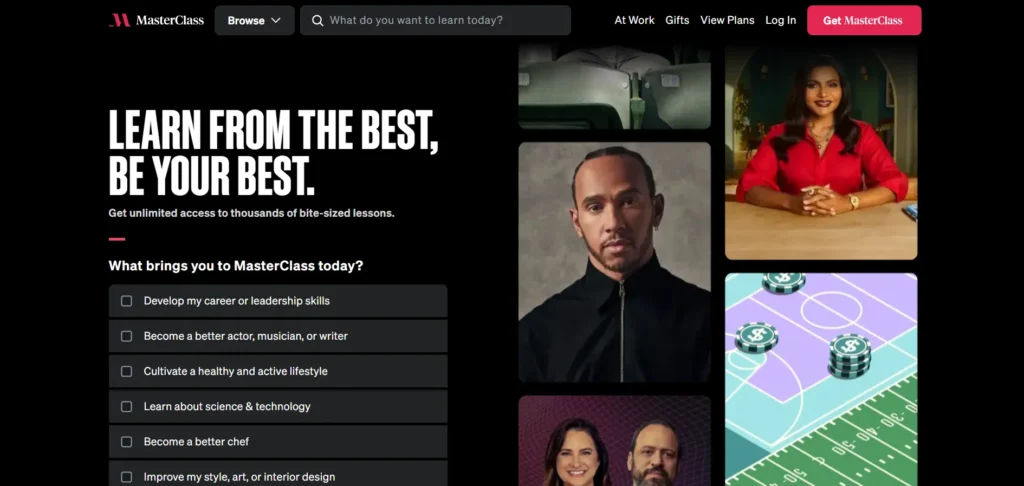
MasterClass is an online learning platform that offers high-quality video courses taught by famous experts and celebrities. It covers a wide variety of subjects like cooking, music, film, writing, sports, business, and more. Each course is typically divided into lessons where the instructor shares personal insights, tips, and techniques. The courses are beautifully produced, making the experience both educational and entertaining.
What is DataCamp?
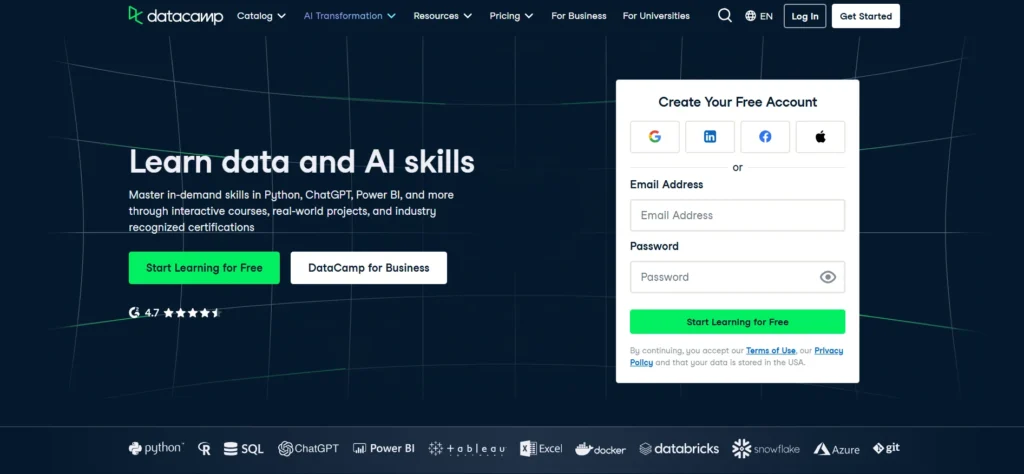
DataCamp, on the other hand, is an online platform specifically focused on data science, analytics, and programming. It offers interactive courses on subjects such as Python, R, SQL, machine learning, and data visualization.
Unlike MasterClass, DataCamp’s courses are designed to provide hands-on experience with coding exercises, quizzes, and projects. The platform’s primary goal is to equip learners with the skills they need to excel in the tech industry.
2. Course Offerings: Diversity vs Specialization
One of the first aspects to consider when comparing these platforms is the variety and scope of their course offerings.
MasterClass Courses: A Broad Range
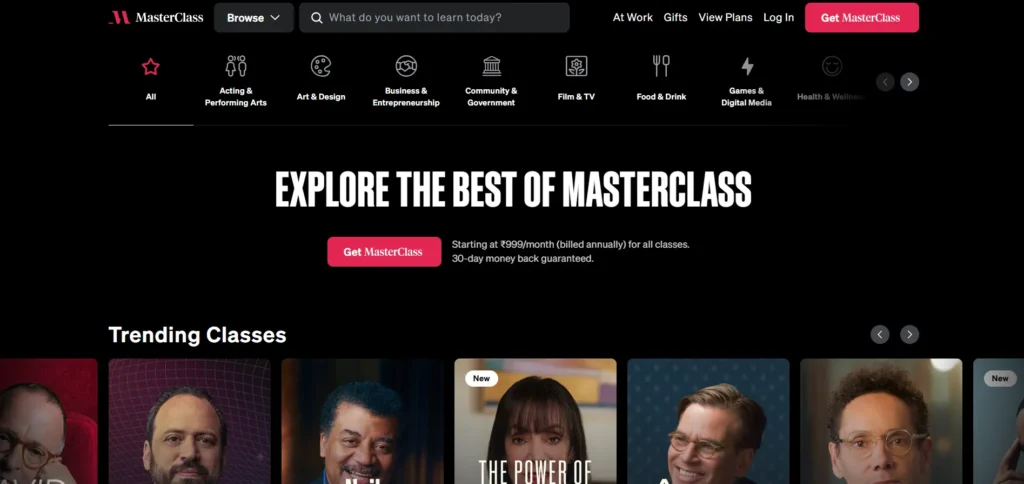
MasterClass provides over 180 courses across a wide spectrum of fields. Some of the most popular categories include:
- Arts & Entertainment: Music production with Timbaland, acting with Natalie Portman, or writing with James Patterson.
- Cooking: Culinary classes with famous chefs like Gordon Ramsay and Wolfgang Puck.
- Business & Leadership: Insights from Richard Branson on entrepreneurship and Howard Schultz on leadership.
- Sports & Games: Tennis lessons with Serena Williams and soccer with Cristiano Ronaldo.
MasterClass focuses more on inspiration and creative learning rather than technical skill development. These courses are perfect for those looking for personal enrichment, a deeper understanding of a craft, or insight into the lives and experiences of world-renowned experts.
DataCamp Courses: Deep Dive Into Data Science
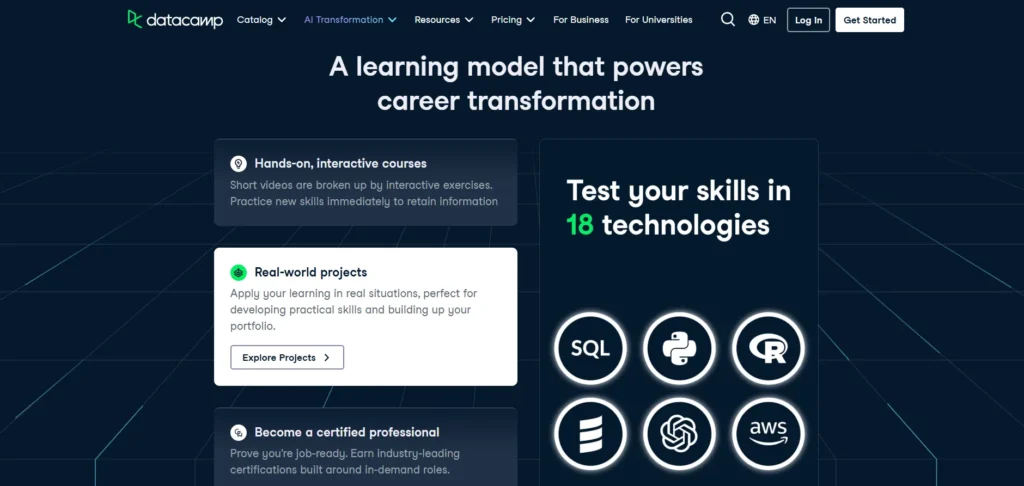
Unlike MasterClass, DataCamp is all about technical, hands-on learning in the fields of data science, analytics, and programming. With more than 500 courses, DataCamp’s offerings include:
- Programming Languages: Courses on Python, R, SQL, and others.
- Machine Learning: Learn data modeling, machine learning algorithms, and artificial intelligence.
- Data Visualization: Master tools like Tableau, Power BI, and Matplotlib.
- Big Data: Learn about big data technologies like Spark.
DataCamp is perfect for anyone interested in becoming a data scientist or building a career in tech. Unlike MasterClass, which offers more theoretical learning, DataCamp focuses heavily on practical experience with coding exercises and projects, making it ideal for learners who want to develop real-world skills.
3. Learning Style: Interactive vs Passive
Another major difference between the platforms lies in their teaching methodology. Let’s explore how each platform approaches the learning experience.
MasterClass Learning Experience: Passive Yet Inspirational
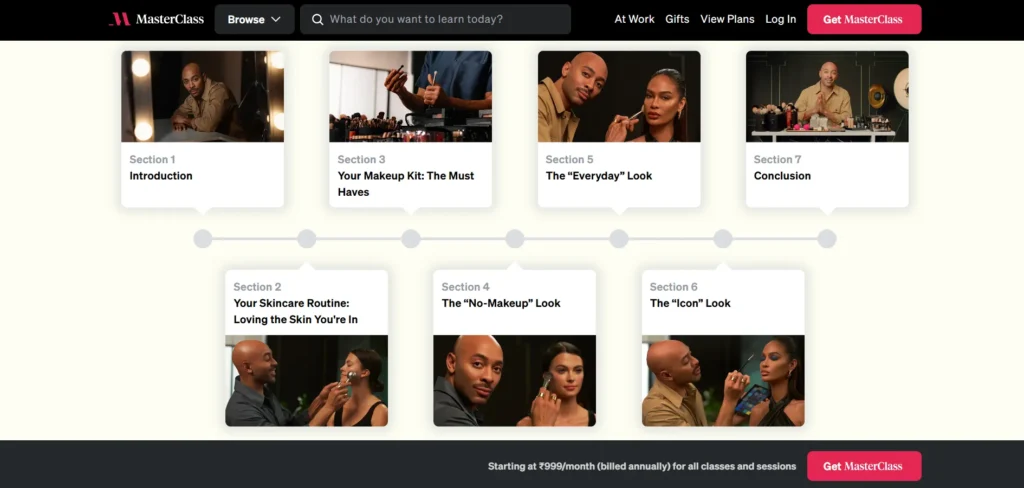
MasterClass is designed around video lessons led by experts in the field. Each lesson is typically around 10–20 minutes long, offering a mix of storytelling, demonstrations, and insights. The format is very much passive, with little to no interactive features.
While the courses are highly engaging, they are geared toward personal enrichment and inspiration, not skill mastery. For example, a cooking class with Gordon Ramsay will teach you about ingredients, techniques, and his cooking philosophy, but it won’t offer much in terms of hands-on practice.
DataCamp Learning Experience: Active and Hands-On
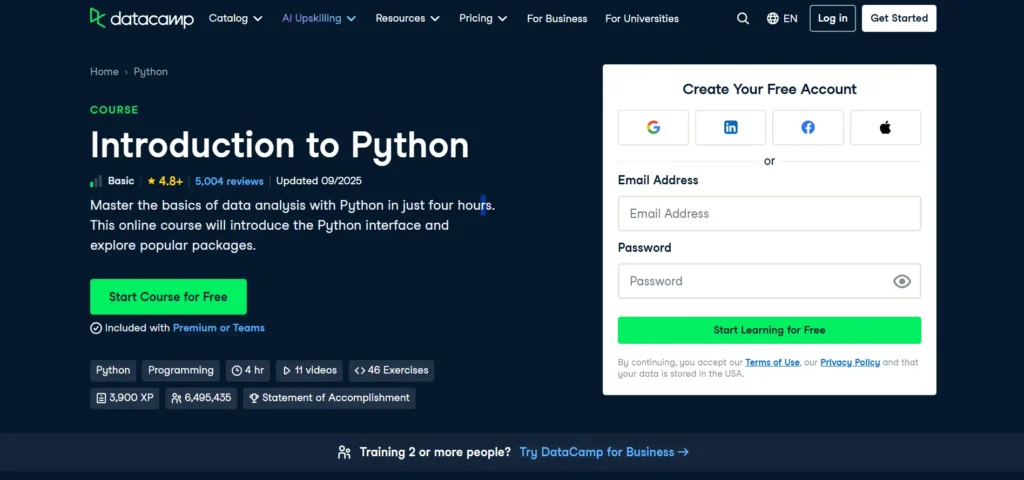
In contrast, DataCamp’s approach is designed to be highly interactive. Courses are structured around video tutorials followed by coding exercises, quizzes, and projects that allow learners to practice what they’ve learned. This approach ensures that users are not just passively absorbing information but are actively applying their knowledge.
For instance, if you’re learning Python, after watching a tutorial, you’ll have to write Python code directly on the platform to solve coding challenges. This hands-on approach ensures that learners develop the skills needed to work in real-world situations.
4. Pricing: Value for Money
Cost is always a crucial factor when choosing an online learning platform. Let’s break down the pricing models of both platforms.
MasterClass Pricing
MasterClass follows a subscription-based model. For $180 per year, you get access to all of the courses on the platform. There is no option for individual course purchases. The subscription is an all-access pass, so you can explore any subject you’re interested in, whether it’s cooking, acting, or business.
While the pricing might seem steep for someone looking for a specific course, it offers significant value if you’re interested in multiple fields. The high production quality of the courses and the opportunity to learn from industry experts justify the cost for many learners.
DataCamp Pricing
DataCamp offers a more flexible pricing model, which includes a free tier and several premium options:
- Free Plan: Access to limited courses and resources.
- Premium Plan: Starts at $25 per month (billed annually), giving you full access to all courses, projects, and certifications.
- Teams and Enterprise Plans: For businesses or educational institutions, pricing is customized based on the number of users.
DataCamp’s pricing is more accessible, especially for those who only want to focus on specific data science skills. If you’re just getting started, the free plan provides a taste of what the platform offers, and you can always upgrade if you want more.
5. Certifications: A Matter of Value
For many learners, the availability of certificates is an important consideration when choosing a learning platform.
MasterClass Certifications
MasterClass does not offer certifications. The platform’s primary goal is to provide inspiration and insight into the creative processes of experts. While you will gain valuable knowledge, you won’t receive any formal recognition for completing the courses. This can be a downside for people who want to add certifications to their resumes or LinkedIn profiles.
DataCamp Certifications
On the other hand, DataCamp provides certificates of completion for every course, track, and project you finish. These certificates can be a valuable asset to your professional profile, especially if you’re pursuing a career in data science, analytics, or tech. While DataCamp’s certificates aren’t formally accredited, they still demonstrate that you’ve gained specific technical skills.
For tech-oriented learners, DataCamp’s certificates offer a sense of accomplishment and can be used as proof of expertise when seeking jobs or internships.
6. User Experience: Interface and Navigation
The platform’s design and user interface (UI) play a critical role in how learners interact with the content. Let’s compare how MasterClass and DataCamp measure up in terms of user experience.
MasterClass Interface
MasterClass boasts a sleek, visually appealing interface. The platform is easy to navigate, with intuitive menus that allow you to browse courses by category or instructor. It also features a clean layout with high-quality images and videos, making the learning experience visually enjoyable.
While the interface is smooth, the lack of interaction options, such as quizzes or assignments, may make it less engaging for users looking for a more hands-on learning experience.
DataCamp Interface
DataCamp’s interface is designed to cater to learners in the tech space, especially those looking to learn programming or data science. The platform features a clean, simple design with easy access to courses, coding challenges, and tracking features. The interactive environment encourages students to dive into coding as soon as they start, with tools to track progress and measure improvement.
Moreover, DataCamp has a unique feature called the “skill tracks” that guides learners through a structured learning path, making it easier to see how far they’ve come and what’s next.
7. Community and Support: Learner Interaction
The presence of a supportive community can significantly enhance your learning experience.
MasterClass Community
MasterClass offers a limited community feature. There is a community forum where you can discuss the courses, but the interaction isn’t as extensive as other platforms. Because MasterClass focuses on individual learning from experts, it doesn’t have as many features for learner-to-learner interaction.
DataCamp Community
DataCamp offers a robust community of learners, instructors, and professionals. The platform includes discussion forums for each course, peer support options, and collaboration opportunities with other learners. For those pursuing a career in data science, the DataCamp community can be an invaluable resource for networking, troubleshooting, and finding support.
Final Verdict: Which Platform Should You Choose?
Choosing between MasterClass and DataCamp depends on your goals and what you’re looking to achieve from your learning experience.
- MasterClass is ideal for those who seek inspiration and want to learn from top-tier professionals in a variety of creative fields. It’s perfect for personal enrichment, exploring new hobbies, and gaining unique insights from the best in the world.
- DataCamp, on the other hand, is best suited for individuals who want to develop technical skills in fields like data science, programming, and machine learning. If you’re serious about a career in tech or want to sharpen your analytical skills, DataCamp offers a more practical, hands-on approach.
Ultimately, the decision comes down to what kind of learner you are. If you’re interested in a technical career, DataCamp is the way to go. But if you’re looking to be inspired and learn from the masters in various industries, MasterClass will be a perfect fit.
FAQs
What is the difference between MasterClass and DataCamp?
MasterClass offers courses in creative fields taught by experts and celebrities, while DataCamp focuses on data science and programming, providing hands-on, interactive learning.
Does MasterClass offer certificates?
No, MasterClass does not provide certificates. It focuses more on inspiration and personal enrichment rather than formal qualifications.
How much does DataCamp cost?
DataCamp offers a free plan with limited access, while the premium plan costs $25 per month (billed annually) for full access to all courses and certifications.
Which platform is better for learning data science?
DataCamp is better for learning data science as it offers practical, hands-on courses in programming, machine learning, and data analysis.
Can I access MasterClass and DataCamp on mobile devices?
Yes, both MasterClass and DataCamp have mobile apps that allow you to learn on the go, with offline access to certain content.