
When it comes to online learning, two platforms often come up in conversation: MasterClass and Coursera. Both offer a broad range of classes, but they serve very different purposes. MasterClass is often associated with celebrity instructors and creative learning, while Coursera is known for more structured academic courses and professional certifications.
If you’re trying to decide which platform is the better choice for you, this detailed comparison will help you understand the key differences, strengths, and weaknesses of each.
In this comparison, we will explore the following factors:
- Course offerings and subject variety
- Instructor quality
- Course structure and learning experience
- Certification and credentials
- Pricing models
- Accessibility and usability
- User reviews and feedback
By the end of this article, you’ll have a better understanding of which platform fits your learning needs.
1. Overview of MasterClass and Coursera
What is MasterClass?
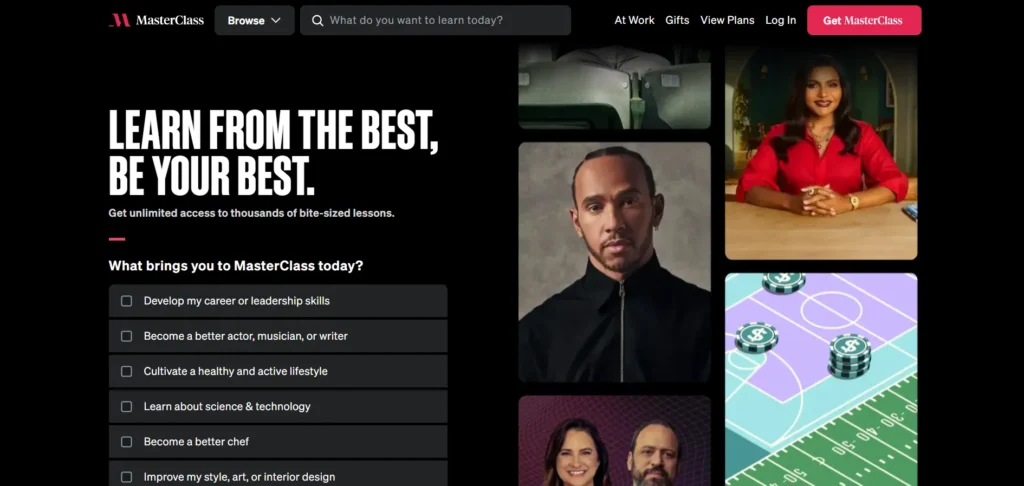
MasterClass is an online learning platform that’s best known for its high-profile instructors, who are often celebrities or well-known experts in their fields. The platform offers a variety of courses, but they tend to focus on creative disciplines, such as writing, cooking, filmmaking, music, and acting. MasterClass sets itself apart with its cinematic production quality, with many users praising the polished, visually appealing courses that are more like a movie than a traditional class.
One of the defining features of MasterClass is its emphasis on inspiration rather than rigorous education. While you may learn useful skills, the courses are designed to spark creativity, provide insider knowledge, and give you a glimpse into the minds of some of the best in their industries. MasterClass is a great platform for those looking to be inspired, learn new hobbies, or get an inside look at the creative processes of their favorite professionals.
What is Coursera?
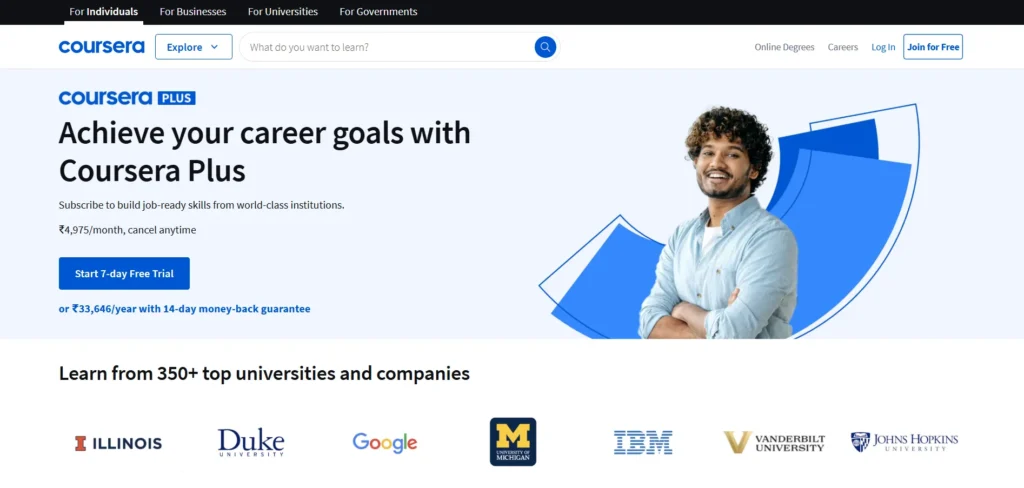
Coursera, on the other hand, is a more traditional online learning platform that offers a wide range of courses from top universities and institutions. Coursera works with universities like Stanford, Yale, and the University of London to provide professional certifications, degree programs, and specializations in various fields like business, computer science, data science, social sciences, and more.
Unlike MasterClass, Coursera offers a more academic approach to learning. Most courses are designed to be structured and include quizzes, assignments, peer-reviewed projects, and sometimes even exams. This makes it a better fit for those who are looking for a comprehensive learning experience with credentials that can be added to a resume or portfolio.
2. Course Offerings and Subject Variety
MasterClass Course Offerings
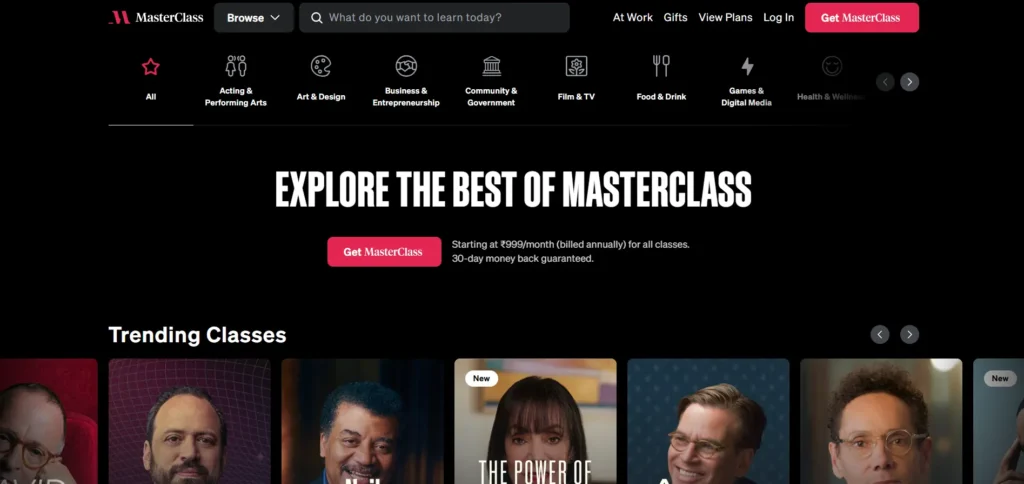
MasterClass is known for its wide range of creative courses, and while there are a few business-related classes, the focus is mainly on artistic and lifestyle subjects. For example, you can take classes from top chefs like Gordon Ramsay, learn acting techniques from Natalie Portman, or improve your writing skills with Margaret Atwood. The topics are often motivational and centered around inspiring learners to reach their full potential.
The course subjects on MasterClass include:
- Arts and Entertainment: Acting, music, filmmaking, writing, comedy
- Cooking and Food: Culinary skills, baking, wine, and food science
- Business and Leadership: Negotiation, leadership, personal development
- Lifestyle: Creativity, photography, wellness, and design
- Science and Technology: Limited coverage in this area
MasterClass is perfect for those who want to gain insights into a specific area of interest and hear firsthand from professionals. However, it lacks the more academic courses or technical subjects like data science, computer programming, or engineering, which are common on platforms like Coursera.
Coursera Course Offerings
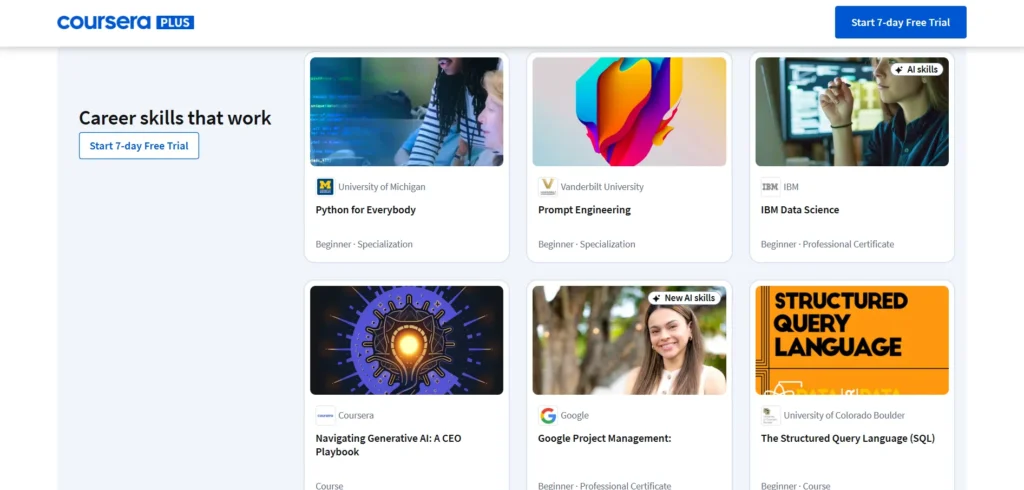
In contrast, Coursera provides a much wider array of courses, especially in technical and academic fields. The platform offers thousands of courses in disciplines like computer science, data analysis, business, economics, humanities, and more. Because Coursera collaborates with universities and companies, many of the courses are deeply structured and offer professional certifications or even accredited degrees.
Some of the subject categories available on Coursera include:
- Business: Marketing, management, entrepreneurship, finance
- Computer Science and IT: Programming, machine learning, artificial intelligence, cloud computing
- Data Science: Data analysis, statistical programming, data visualization
- Health and Medicine: Public health, biology, psychology, medical sciences
- Social Sciences: History, economics, political science
- Humanities: Philosophy, writing, literature
One of Coursera’s strengths is its offering of specialized courses from top institutions that provide learners with formal qualifications and certifications upon completion.
3. Instructor Quality
MasterClass Instructors
MasterClass is renowned for its star-studded lineup of instructors. Many of the courses are taught by highly successful individuals in their respective industries, including chefs like Gordon Ramsay, actors like Samuel L. Jackson, and authors like James Patterson. These instructors are experts in their fields, but they are not necessarily traditional educators. Their classes are designed to provide insight into their personal creative processes and to inspire learners.
One of the key benefits of MasterClass is the opportunity to learn directly from world-class experts, but it should be noted that the focus is less on in-depth teaching and more on sharing personal stories, techniques, and inspiration. This makes MasterClass an excellent resource for learners who want to gain inspiration or who are looking for a glimpse into the lives of successful individuals.
Coursera Instructors
Coursera, in comparison, works with professors, researchers, and industry experts from top universities and organizations. The instructors on Coursera are often experienced academics or professionals in their fields who have been trained in education. Many courses offer structured content with quizzes, assignments, and peer feedback, which gives students the chance to interact with the material in a meaningful way.
The quality of instruction on Coursera is generally higher in terms of academic rigor and professional development. This makes it ideal for learners who want to build a deeper understanding of a subject, develop a skill in a technical field, or earn a professional credential.
4. Course Structure and Learning Experience
MasterClass Structure
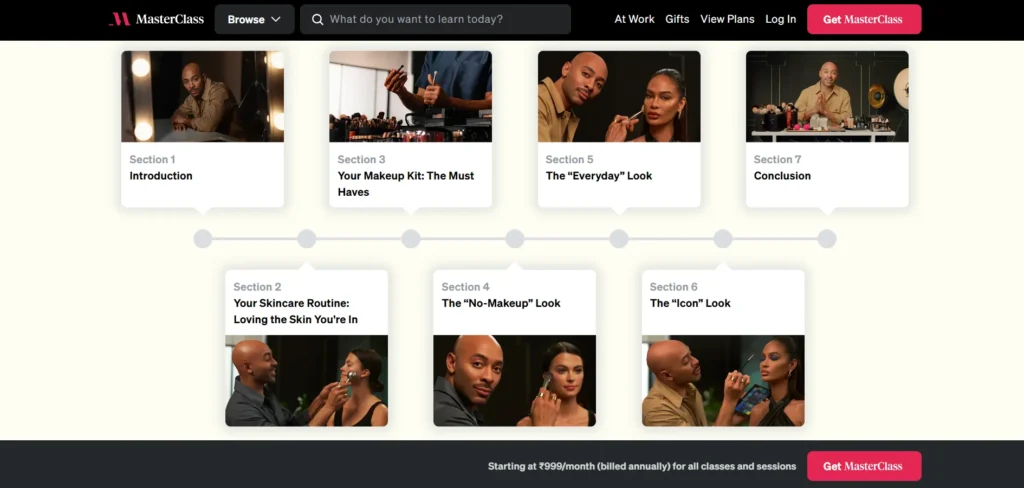
MasterClass courses typically consist of video lessons that range from 10 to 25 minutes long, with a focus on the instructor’s personal techniques and experiences. The learning experience is designed to be flexible and engaging, with video lessons that feel more like mini-documentaries than traditional classes. These courses are mostly self-paced, meaning that learners can take their time to digest the content at their own pace.
However, while the quality of production is often top-notch, MasterClass does not include quizzes, assignments, or any formal methods for assessment. There are no grades, and the course content is more about exploration and creativity rather than mastering specific skills.
Coursera Structure
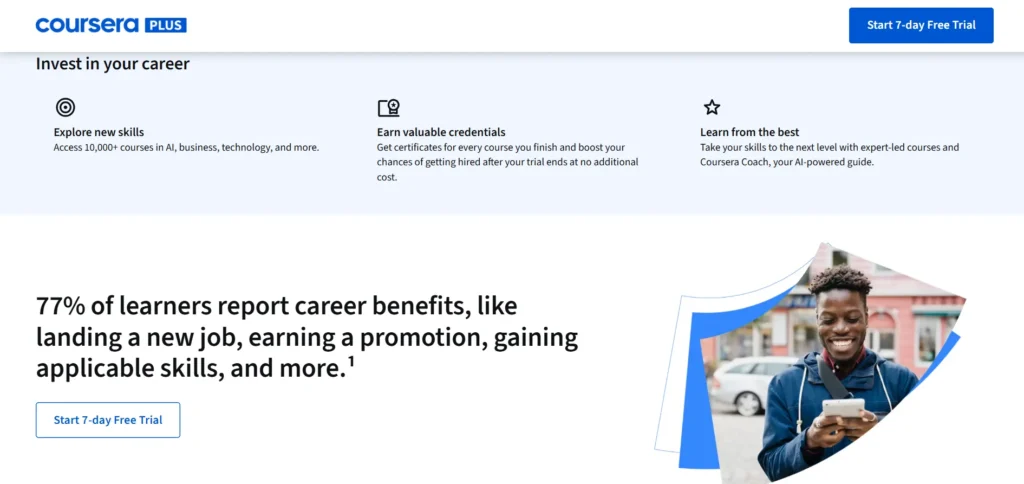
In contrast, Coursera offers a more traditional educational structure. Most courses are divided into weekly modules with reading materials, video lectures, quizzes, and peer-reviewed assignments. Many courses offer certificates upon completion, and some offer professional credentials that can be useful for career advancement.
In addition to individual courses, Coursera also offers specialized programs, such as Coursera Specializations and Professional Certificates, which consist of a series of courses designed to help learners master a particular subject or skill. For those looking for more in-depth study, Coursera even offers full degree programs from accredited universities.
The learning experience on Coursera is highly interactive and academic, providing students with the tools and structure necessary to succeed in their studies. If you prefer a more traditional learning format, complete with assessments, feedback, and grades, Coursera is likely the better choice.
5. Certification and Credentials
MasterClass Certifications
MasterClass does not offer formal certifications or credentials. Upon completing a course, you will not receive any official recognition of your learning. The value of MasterClass lies in the knowledge, inspiration, and insights you gain from the instructors, rather than in formal academic recognition.
While the lack of certification may be a drawback for some, it is not a major issue for most MasterClass users, who are typically more interested in the personal development and creative inspiration offered by the platform.
Coursera Certifications
In contrast, Coursera offers formal certifications upon the completion of its courses. Many of the courses are also accredited and provide learners with certificates that can be added to their resumes or LinkedIn profiles. Some of the professional certificates offered on Coursera are recognized by major companies, making them a valuable asset for those looking to enhance their career prospects.
For those seeking a deeper academic qualification, Coursera also offers full degree programs from universities like Stanford, the University of London, and others. These degrees are more extensive and can take several months or even years to complete, but they offer a legitimate and widely recognized qualification.
6. Pricing and Value for Money
MasterClass Pricing
MasterClass operates on a subscription model. You pay an annual fee of around $180 per year for access to all courses on the platform. This can be a good deal if you want to access multiple courses and explore various creative fields.
However, it’s worth noting that while you get access to everything on the platform for one price, the content is more about inspiration than rigorous learning. For those seeking deep academic knowledge, MasterClass may not offer enough substance.
Coursera Pricing
Coursera offers a wide range of pricing options, depending on the course and whether you are looking for a certification, specialization, or full degree. Many courses are available for free, but if you want a certificate or access to additional materials, you’ll need to pay. Coursera’s pricing for professional certificates and specializations typically ranges from $39 to $79 per month.
For full degree programs, the cost can be much higher, often several thousand dollars, but the value is significant if you’re seeking a formal qualification. Coursera also offers financial aid for many of its programs, which can make it more accessible for learners who are on a budget.
7. Usability and Accessibility
MasterClass Usability
MasterClass is known for its user-friendly interface. The platform is easy to navigate, and the courses are easy to follow. The video lessons are professionally produced and can be streamed on multiple devices, including desktop, mobile, and smart TVs. The absence of assignments and grades makes the platform simple to use—there’s no pressure or formal structure.
Coursera Usability
Coursera’s platform is also intuitive and easy to use, though it may feel more academic and structured compared to MasterClass. The courses are organized into modules, and each module typically includes multiple components, such as video lectures, readings, quizzes, and assignments. You can access courses on desktop and mobile devices, but the platform is generally more focused on providing a complete learning experience, which includes feedback, peer reviews, and grades.
Conclusion: Which is Right for You?
When to Choose MasterClass
- You want creative inspiration: If you’re looking to learn from successful people in creative fields, MasterClass offers a unique opportunity to hear directly from the best in the business.
- You enjoy casual learning: MasterClass is ideal for those who prefer learning through video content and who don’t need formal assessments or certifications.
- You want to explore hobbies: MasterClass is perfect for individuals interested in creative hobbies, such as cooking, writing, or photography, who want to learn techniques and hear stories from experts.
When to Choose Coursera
- You want formal, structured learning: If you’re interested in courses that come with assignments, quizzes, peer reviews, and certification, Coursera is the better fit.
- You need a professional certification or degree: Coursera offers professional certificates, university degrees, and credentials that are valuable for career advancement.
- You want more variety: With courses spanning from business and technology to health and humanities, Coursera offers more academic depth and breadth than MasterClass.
In the end, the choice between MasterClass and Coursera boils down to your goals and learning style. If you want to deepen your creative skills and learn from inspiring professionals, MasterClass is an excellent choice. If you’re looking for a more formal, structured learning experience with a focus on professional skills and credentials, Coursera is the better option. Both platforms offer unique benefits, so it all comes down to what you’re hoping to achieve with your learning experience.
FAQs
What is MasterClass?
MasterClass is an online learning platform offering courses from top experts in creative fields like cooking, writing, acting,and music. The courses are designed to inspire and provide insights into the creative process.
What is Coursera?
Coursera offers online courses, specializations, and degrees from universities and organizations. It focuses on academic subjects, professional development, and technical skills like data science, business, and computer programming.
Does MasterClass offer certifications?
No, MasterClass does not provide certifications or formal qualifications. It is more about gaining inspiration and learning techniques from industry experts.
Does Coursera offer certifications?
Yes, Coursera offers certificates upon course completion, as well as professional certifications and degrees in partnership with top universities and companies.
Which platform is better for career advancement?
Coursera is better for career advancement, as it offers accredited certificates and professional credentials that can be added to your resume or LinkedIn profile.