
In today’s digital world, online learning platforms have revolutionized education, offering flexible and accessible options for people looking to enhance their skills or pursue new career paths. Two popular platforms, Kadenze and Coursera, cater to different niches but share the common goal of providing quality education.
Kadenze, founded in 2015, focuses on creative fields such as music, arts, and design, blending these disciplines with technology. Its unique courses are ideal for artists, musicians, and creatives seeking to explore the intersection of art and tech.
On the other hand, Coursera, founded in 2012 by Stanford professors, offers a broader selection of courses spanning business, computer science, social sciences, and more. With partnerships with top universities and institutions like Yale and Google, Coursera provides both casual learners and professionals access to highly accredited programs, including degree options.
While Kadenze stands out for its niche focus on creative technologies, Coursera caters to a wide audience, including those looking for professional development or academic credentials.
In this comparison, we’ll dive into the strengths, offerings, and unique features of each platform, helping you determine which one suits your learning goals and aspirations best.
Overview of Kadenze
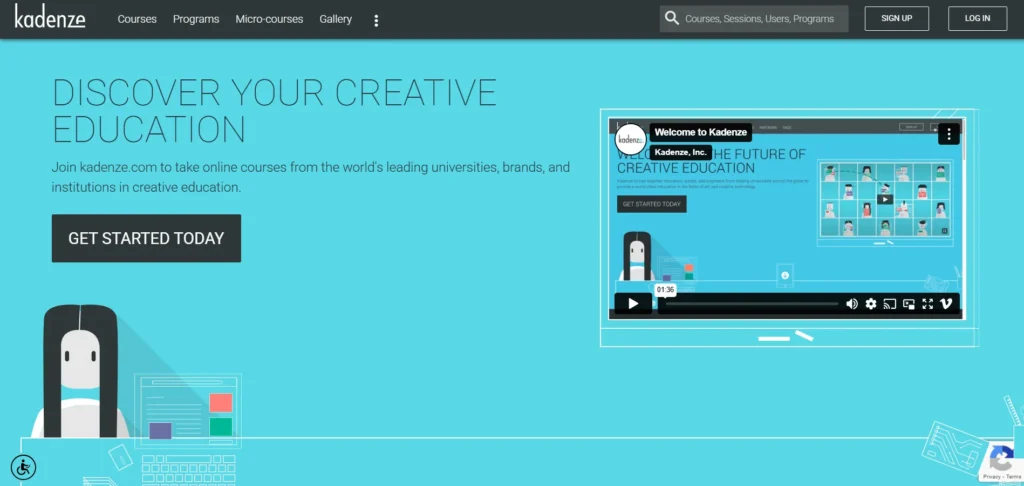
Kadenze is a specialized online learning platform designed primarily for creative professionals. Founded in 2015 by Ajay Kapur, a musician and computer scientist, Kadenze’s primary focus is on creative fields such as music, arts, design, and interactive media. The platform partners with prestigious institutions such as the California Institute of the Arts, Berklee College of Music, and the School of the Art Institute of Chicago, to bring specialized courses to learners who wish to advance their knowledge in creative and tech-driven fields.
Kadenze’s unique value proposition lies in its ability to merge art with technology. It focuses heavily on courses in creative fields like music programming, sound synthesis, machine learning for artists, and interactive media. This makes it ideal for people who are not only passionate about creativity but also interested in how technology can enhance and broaden their craft.
Course Offerings on Kadenze
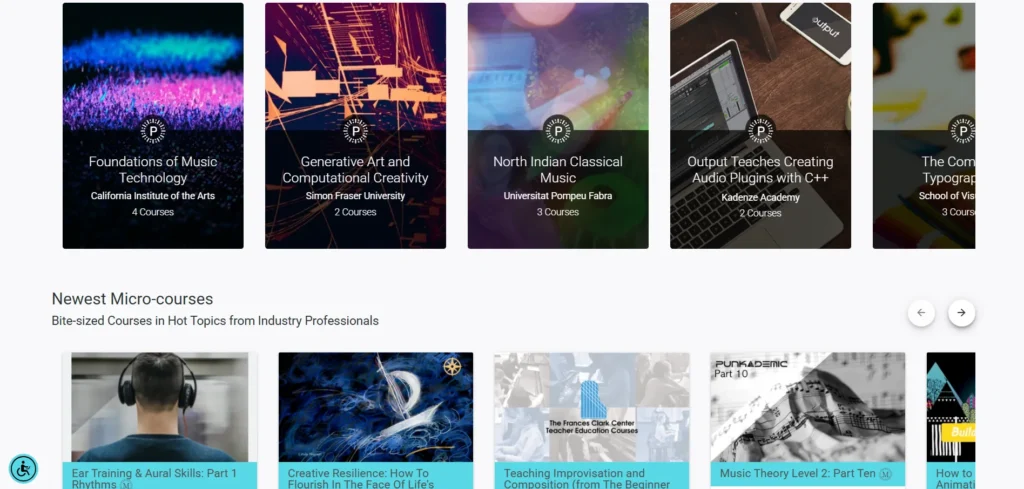
Kadenze provides a range of courses in the fields of art, music, design, and creative technologies. The courses are typically short-term, often spanning a few weeks, and include hands-on projects, video lectures, and peer reviews. The course format emphasizes learning through doing, making it ideal for creative individuals who want to apply the concepts they are learning in real-world scenarios.
Some of the standout courses include:
- Introduction to Programming for Musicians and Digital Artists – A course aimed at teaching programming specifically for artists and musicians.
- Creative Applications of Deep Learning with TensorFlow – A course focused on applying machine learning techniques in creative arts, such as music and visual art.
- Sound Synthesis Using Reaktor – This course teaches the fundamentals of sound design, focusing on the use of the Reaktor software.
Pricing on Kadenze
Kadenze follows a freemium model. You can access many courses for free, but in order to participate in assignments and get feedback, you must upgrade to a premium membership. The premium membership typically costs around $10/month, which is quite affordable when compared to other platforms. Additionally, Kadenze offers financial aid for learners who may struggle to pay for a premium membership.
Although Kadenze’s focus is on creative disciplines, the cost structure is designed to make it accessible to a wide range of learners, particularly those interested in niche fields.
Platform Usability
Kadenze’s interface is simple, clean, and intuitive, designed specifically for creative learners. The platform’s layout is easy to navigate, and the courses are organized in a way that makes it simple to access course materials, assignments, and feedback.
Kadenze is accessible on both desktop and mobile devices, which gives learners the flexibility to access content whenever and wherever they wish. The focus on creative disciplines makes the design aesthetic more appealing to artists, musicians, and other creative professionals.
Overview of Coursera

Founded in 2012 by Stanford professors Andrew Ng and Daphne Koller, Coursera is one of the largest and most widely recognized online learning platforms. Unlike Kadenze, Coursera provides courses across a broad range of subjects, including computer science, business, health, social sciences, and humanities.
Coursera partners with top-tier universities and institutions, including Yale, the University of London, and Google, to offer courses, certificates, and degree programs. Whether you’re looking to learn a specific skill for your career or pursuing a degree, Coursera offers a platform that caters to various educational needs.
Course Offerings on Coursera
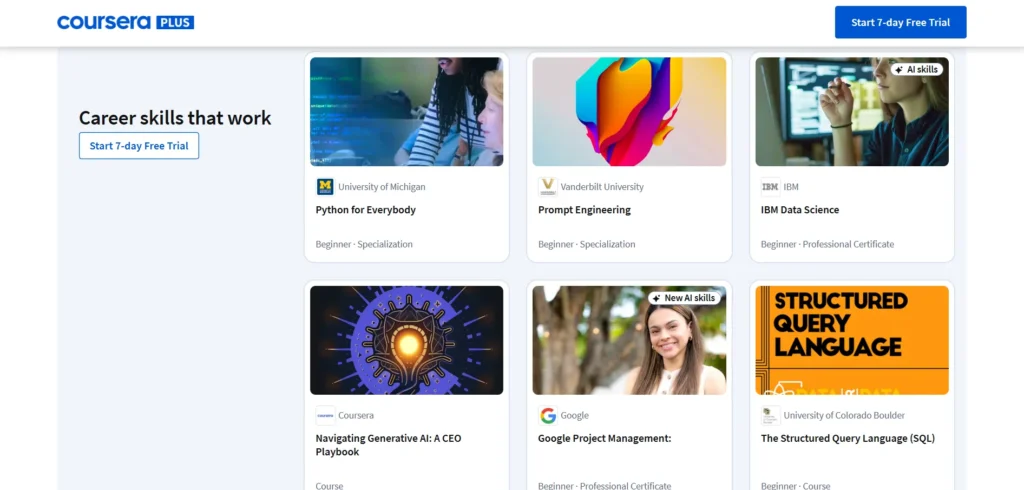
Coursera offers a broad array of courses that range from free courses to full-fledged degree programs. It has over 4,000 courses covering topics in fields like business, data science, engineering, and personal development. In addition to individual courses, Coursera offers professional certificates and degree programs.
Some of the popular courses include:
- Machine Learning by Stanford University – Taught by Andrew Ng, this is one of the most well-known and popular courses on Coursera, covering the fundamentals of machine learning.
- Google IT Support Professional Certificate – A certificate program aimed at individuals looking to enter the IT field, covering various aspects of IT support and troubleshooting.
- Social Psychology by Wesleyan University – A course that delves into the key concepts in psychology, ideal for those interested in human behavior.
In addition to individual courses, Coursera also offers multi-course specializations in topics like data science, business, and artificial intelligence. Many of these specializations culminate in a final project, allowing learners to showcase their skills in a practical context.
Pricing on Coursera
Coursera operates on a subscription-based model for many of its courses. While some courses allow for free auditing (access to video lectures and some materials), you need to pay if you want to receive a certificate or complete graded assignments. For most courses, a subscription costs anywhere from $39 to $79 per month.
Coursera also offers financial aid for learners who qualify, which makes its courses more accessible to individuals from various socioeconomic backgrounds.
For those looking for a deeper commitment, Coursera provides full degree programs, with prices that range from $9,000 to $25,000, depending on the program. However, many of these degrees are much more affordable than traditional on-campus degrees, making them a viable option for students who want to gain accredited credentials from recognized universities.
Platform Usability
Coursera’s user interface is polished and designed with a professional audience in mind. It is easy to navigate, and its layout allows users to quickly access course materials, assignments, and discussion forums. The platform also has a mobile app, allowing learners to continue their studies on the go.
The design is straightforward, making it easy for learners to jump right into their courses. Coursera’s interface is ideal for learners who appreciate a clean and structured environment, where they can focus on learning without unnecessary distractions.
Comparison of Features
1. Course Variety
- Kadenze: Specializes in creative arts, music, and design, making it an excellent choice for artists, musicians, and those working in similar fields. If you’re interested in learning the intersection of creativity and technology, Kadenze provides courses specifically tailored to these fields.
- Coursera: Offers a much wider variety of courses, spanning numerous fields such as business, data science, health, and humanities. Coursera is the go-to platform for anyone looking to learn more about professional fields, degree programs, or upskilling in a broader sense.
2. Certifications and Degrees
- Kadenze: While Kadenze provides certificates for completing courses, these certificates are primarily recognized within creative fields. Some courses also offer the possibility of academic credit, but they are not as universally recognized as Coursera’s offerings.
- Coursera: In addition to certificates, Coursera offers accredited degree programs, professional certificates, and specializations that hold significant value in industries across the globe. Coursera’s certificates are widely recognized and respected by employers, especially in fields like business, IT, and data science.
3. Instructor Quality
- Kadenze: Kadenze courses are taught by experts in creative fields, many of whom are faculty members from renowned art and music institutions. The instructors are often deeply involved in the creative industries themselves, bringing real-world experience to their teaching.
- Coursera: Coursera’s instructors include university professors, industry leaders, and subject matter experts. These instructors often bring a combination of academic rigor and practical knowledge to their courses, ensuring a well-rounded learning experience.
4. Pricing
- Kadenze: Kadenze has a freemium model, where you can access many courses for free, but premium features, including assignments and feedback, require a subscription. The cost is generally affordable, especially for creatives who want to deepen their knowledge without breaking the bank.
- Coursera: Coursera offers both free and paid courses. While you can audit courses for free, you need to pay to receive a certificate or access graded assignments. Coursera’s subscription-based pricing model can add up if you plan to take multiple courses, though it offers professional certificates and degrees that can be valuable investments.
Which Platform is Right for You?
Choose Kadenze If:
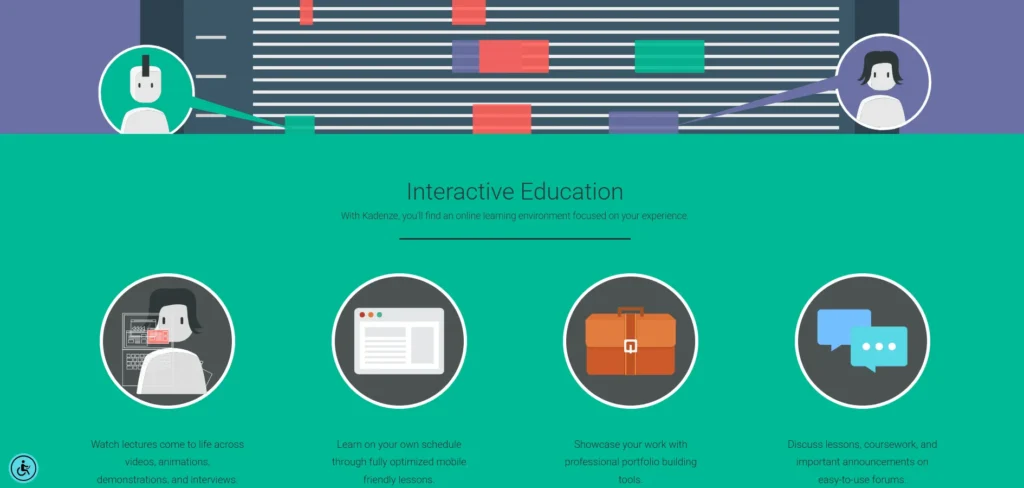
- You are a creative professional (or aspiring one) and want to explore the intersection of art and technology.
- You are looking for specialized courses in fields like music, sound design, and interactive media.
- You prefer a hands-on, project-based learning environment.
- You are interested in a platform that caters specifically to the arts and creative industries.
Choose Coursera If:

- You want a wider range of subjects to choose from, including professional development and degree programs.
- You are looking for accredited degrees or certificates that are widely recognized by employers.
- You want to learn from top universities and industry professionals.
- You’re interested in more formalized education, with the possibility of pursuing a degree or professional certification.
Final Thoughts
In conclusion, both Kadenze and Coursera offer unique learning experiences, but they cater to different audiences with distinct needs. Kadenze is a perfect fit for creative professionals and enthusiasts who want to dive deep into fields like music, arts, and design while incorporating technology into their craft.
Its project-based approach makes it ideal for learners looking to enhance their creative skills in a hands-on manner. Kadenze’s affordable pricing and specialized focus make it an excellent choice for those pursuing creative excellence.
On the other hand, Coursera is a more versatile platform, offering a broad spectrum of courses across various disciplines, from business and computer science to health and humanities.
With courses from top universities and the option to earn accredited degrees and professional certificates, Coursera appeals to a larger audience, including professionals seeking career advancement or individuals looking for formal education. The platform’s variety and global recognition make it an attractive option for anyone interested in upskilling or pursuing a degree.
Ultimately, the choice between Kadenze and Coursera depends on your learning goals. If you’re focused on creative fields, Kadenze provides specialized knowledge. For a broader range of courses and credentials, Coursera is the more comprehensive option.
FAQs
What is the main focus of Kadenze?
Kadenze focuses on creative fields like music, arts, design, and interactive technology, offering courses that blend creativity with technology.
Can I access Coursera courses for free?
Yes, Coursera allows you to audit many courses for free, but you’ll need to pay if you want a certificate or to access graded assignments.
Are Kadenze’s courses suitable for beginners?
Yes, Kadenze offers beginner-friendly courses in creative fields, especially for those looking to learn programming and design from scratch.
Does Coursera offer accredited degrees?
Yes, Coursera provides accredited degree programs in partnership with top universities, allowing learners to earn a full degree online.
How much do Kadenze and Coursera courses cost?
Kadenze offers free courses with a premium membership for additional features, usually around $10/month. Coursera courses vary, with some available for free and others requiring a subscription, ranging from $39 to $79 per month.