
Creating an online course is a rewarding way to share your expertise with the world. But, designing a course that stands out requires more than just sharing knowledge; it requires effective planning, engaging content, and a thoughtful approach to delivering the material.
The online education landscape has evolved, and learners are more discerning than ever before. As an instructor, it’s essential to structure your course in a way that not only helps students learn but also keeps them engaged from start to finish.
In this article, we will explore ten proven strategies to structure your online course in 2025, ensuring that it meets the needs of modern learners and provides lasting value.
1. Start with Clear Learning Outcomes
Every course begins with a goal. Before you dive into content creation, it’s crucial to define clear learning outcomes.
These outcomes are what you want your students to achieve by the end of the course. A well-defined goal helps you stay focused during course development and gives students a roadmap of what to expect.
Learning outcomes should be:
- Specific: Avoid vague terms. Instead of saying, “Learn marketing,” specify “Learn how to create a marketing plan for a small business.”
- Measurable: Ensure that learners can demonstrate their achievement. For example, “By the end of this course, learners will be able to create a professional logo using design software.”
- Action-oriented: Use verbs like “describe,” “demonstrate,” or “analyze” to clarify how students will apply their learning.
By establishing clear outcomes, you give students direction, making it easier to engage them and maintain their motivation throughout the course. These outcomes will also serve as a guide for structuring the course content.
2. Organize Content into Manageable Modules
In 2025, online learners expect structure and clarity. Break your course into manageable modules, with each focusing on a specific sub-topic.
Each module should build on the previous one, progressively guiding the learner from foundational concepts to advanced skills.
This modular structure helps prevent overwhelm and ensures that your students can focus on mastering one idea at a time.
Each module should include:
- An introduction: Provide a brief overview of what the module will cover and explain its relevance.
- Core content: The bulk of your material, such as videos, readings, or lectures.
- Interactive components: This could include quizzes, exercises, or assignments to reinforce learning.
- A summary: Summarize key points and encourage students to reflect on what they have learned.
By dividing the course into digestible sections, you help students track their progress and maintain their focus. Additionally, it allows learners to revisit specific modules for review or deeper understanding.
3. Incorporate Interactive Elements
Simply delivering content is no longer enough in 2025. Online learners crave engagement and interaction. Including interactive elements is one of the best ways to keep students interested and improve their learning outcomes.
Consider adding the following interactive features:
- Discussion forums: These provide spaces where students can ask questions, share insights, and engage with each other.
- Quizzes and polls: Not only do these assess understanding, but they also add a fun, interactive element to the course.
- Assignments: Practical assignments allow students to apply what they’ve learned in real-world contexts.
- Live Q&A sessions: Hosting live sessions where students can ask questions in real-time makes the learning experience feel more personal and engaging.
Interactive elements create a two-way dialogue between you and your students. They also foster a sense of community and ensure that students remain engaged throughout the course.
4. Use Learner-Centered Language
In an online course, it’s important to keep your language learner-focused. Rather than adopting a formal, instructor-centered tone, speak directly to your learners.
This approach helps make the course feel more approachable and fosters a connection between you and the students.
Instead of saying, “In this course, you will learn about various marketing strategies,” say, “By the end of this course, you will know how to implement effective marketing strategies for your business.”
When designing your course content, think about what the learners will gain from each section and focus on how they will benefit.
Keep the language clear, relatable, and motivating. Your goal should be to empower students to take ownership of their learning experience.
5. Provide Clear Navigation and Support
A confusing course structure is a surefire way to lose student interest. Make sure your course platform is easy to navigate and provides students with a clear understanding of how to move through the content. Students should never feel lost while taking your course.
Here are some tips to enhance course navigation:
- Provide an introductory guide: Help students get started by giving them a tour of the course platform and explaining how to access materials, ask questions, and track progress.
- Course roadmap: Offer a visual roadmap of the course that shows the flow from one module to the next. This helps students understand the overall structure and feel confident in their progression.
- Support resources: Make it easy for students to contact you with questions. Consider offering an email address, live chat support, or access to a student help forum.
Clear navigation improves the learner’s experience and allows them to focus on the content rather than figuring out how to use the platform.
6. Incorporate Gamification to Boost Engagement
Gamification is a strategy that uses game-like elements to make the learning process more engaging. Incorporating gamified elements into your course can increase motivation, boost student participation, and make learning more enjoyable.
Some ways to gamify your course include:
- Badges and achievements: Reward students with badges or certificates when they complete certain milestones, such as finishing a module or passing a quiz.
- Leaderboards: Create friendly competition by displaying top achievers and encouraging students to strive for excellence.
- Progress tracking: Use visual progress bars to show students how much of the course they’ve completed. This can encourage them to keep going until they finish.
Gamification turns the learning process into a more dynamic and rewarding experience, motivating students to stay committed to the course.
7. Offer Personalized Learning Paths
Not all students learn the same way or have the same goals. Personalizing the learning experience is a powerful strategy to keep students engaged and help them achieve their objectives.
By offering learning paths tailored to different interests or skill levels, you can provide a more customized experience.
For example, in a photography course, offer different learning tracks based on interests—such as portrait photography, landscape photography, or product photography.
Students can choose the path that best fits their goals, ensuring that they feel invested in their learning journey.
You can also personalize content by offering quizzes that help students assess their skill levels at the start of the course. Based on their results, you can recommend specific modules or resources.
8. Build a Strong Community Around Your Course
Creating a community within your course helps foster a sense of belonging and collaboration among your students.
Community-driven courses tend to have higher engagement rates and better completion rates. Students who feel connected to others are more likely to stay motivated and finish the course.
Ways to build community include:
- Discussion forums: Set up a forum where students can interact, ask questions, and share experiences.
- Group projects: Assign group projects or peer review assignments to encourage collaboration.
- Regular check-ins: Host live sessions or webinars to update students on course progress and address any concerns.
Building a strong community helps students feel supported and engaged, and it can make your course more enjoyable for everyone involved.
9. Provide Timely and Constructive Feedback
Feedback is an essential component of the learning process. It helps students understand what they’re doing well and where they need to improve. However, feedback should be timely, specific, and constructive.
Here’s how you can provide effective feedback:
- Be specific: Point out what students did right and what they can improve on. Avoid vague comments like “Good job” or “Needs work.”
- Be timely: Provide feedback as soon as possible, preferably within a few days after assignments or quizzes.
- Be constructive: Offer actionable suggestions on how students can improve and move forward.
Students who receive regular, constructive feedback feel more confident and are more likely to succeed in the course.
10. Continuously Evaluate and Improve Your Course
Once your course is up and running, it’s important to gather feedback from students and make adjustments as needed. Continuous improvement ensures that your course stays relevant, engaging, and effective over time.
Here’s how to evaluate and improve your course:
- Surveys and feedback forms: Regularly ask students for feedback on course content, structure, and delivery.
- Engagement metrics: Monitor how students are interacting with the course—are they completing assignments? Are they participating in discussions?
- Analytics: Use course platform analytics to track student progress and identify areas where students may be struggling.
By consistently reviewing and refining your course, you ensure that it remains a valuable resource for future learners.
Top Online Course Tools in 2025
When it comes to choosing the right platform for your online course business, there are several strong contenders in 2025. Here’s a breakdown of some of the top platforms to consider.
1. Thinkific
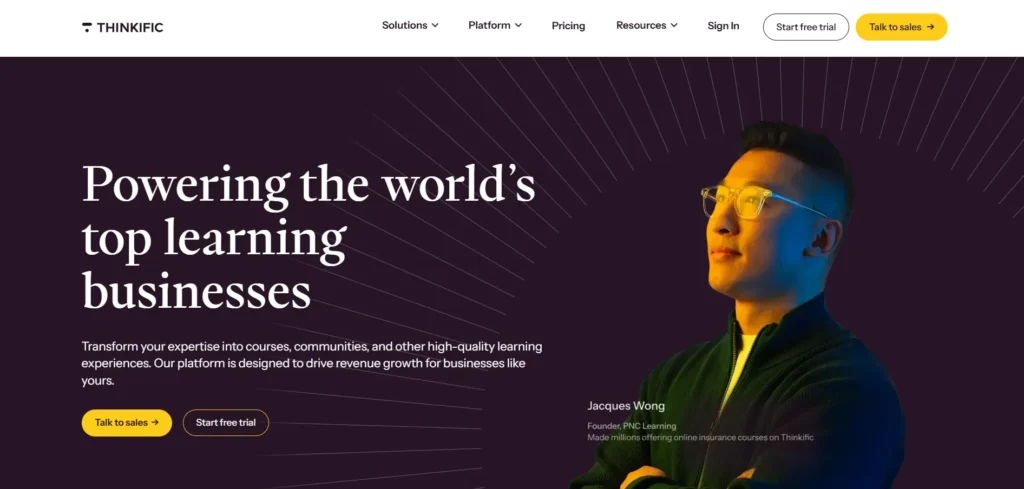
Thinkific is a leading platform known for its robust course creation tools and ease of use. It allows you to create a variety of content types, including video, quizzes, and assignments.
Thinkific also offers a strong suite of marketing tools, including automated email campaigns and integrations with popular platforms like Mailchimp and Zapier.
2. Teachable
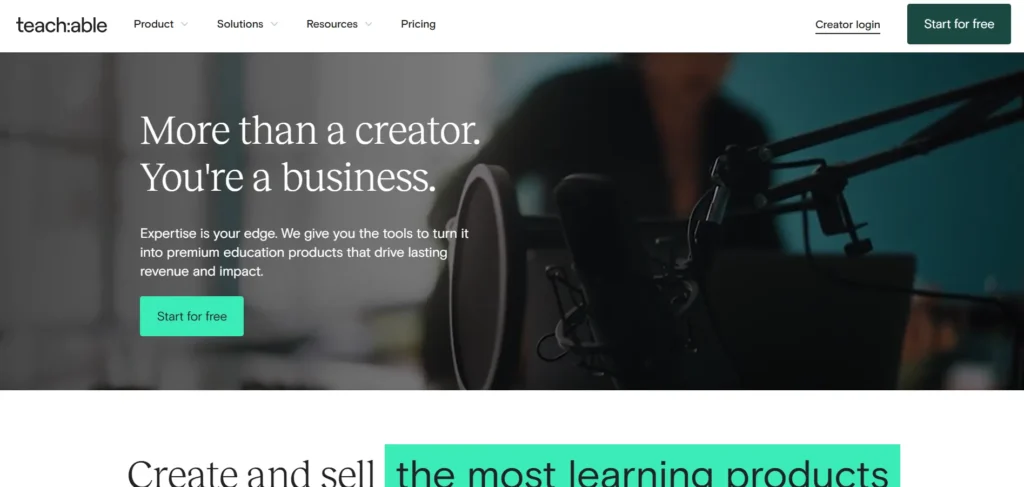
Teachable is another well-known name in the online course space. It’s user-friendly and allows you to easily create and sell courses.
The platform has a wide range of customization options, strong monetization features, and integrates seamlessly with third-party tools like PayPal and Stripe.
3. Kajabi
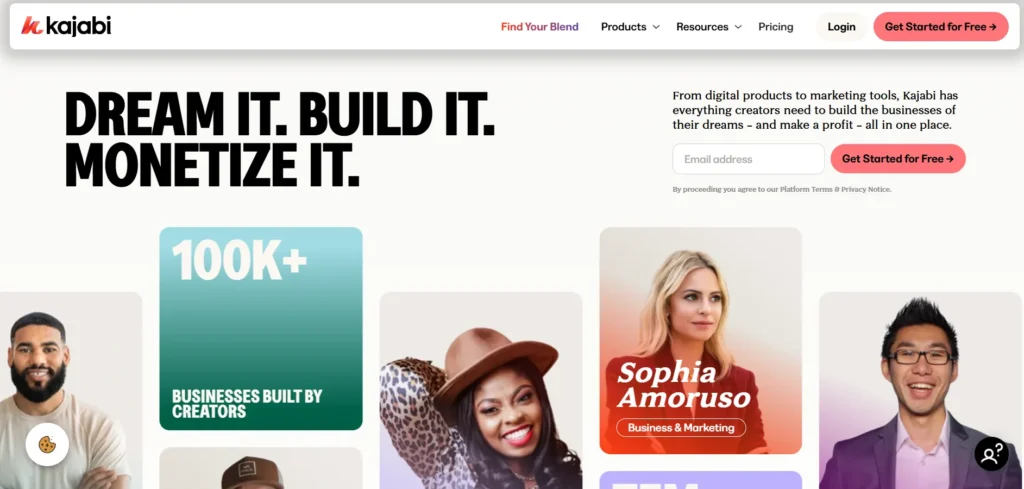
Kajabi is a powerful all-in-one platform for course creation, marketing, and sales. It provides advanced marketing tools like automated email sequences, landing pages, and sales funnels.
Kajabi is particularly great for creators who want an all-inclusive solution for selling and managing their courses.
4. LearnWorlds
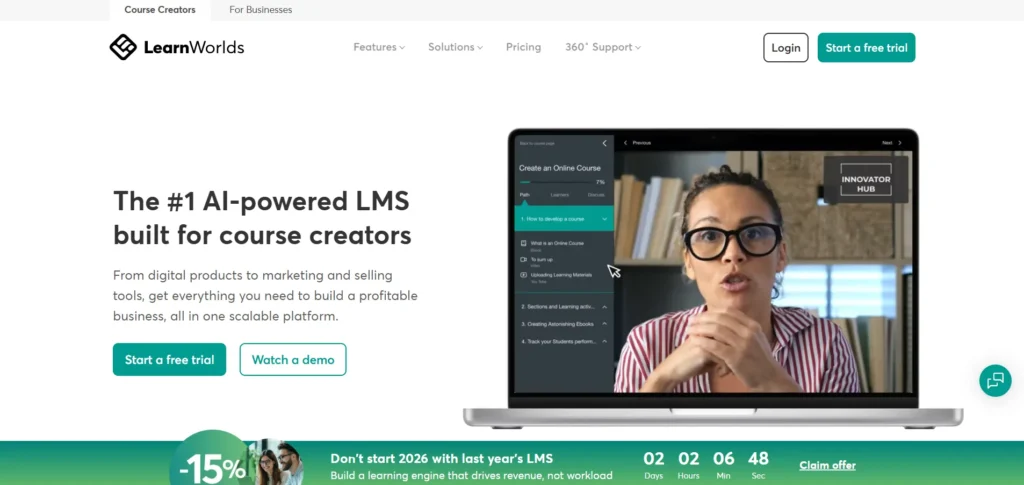
LearnWorlds stands out for its interactive features and advanced analytics. It’s designed to create highly engaging learning experiences with tools like video interactions and quizzes.
LearnWorlds also provides excellent branding options and is known for its user-friendly interface.
5. Kartra
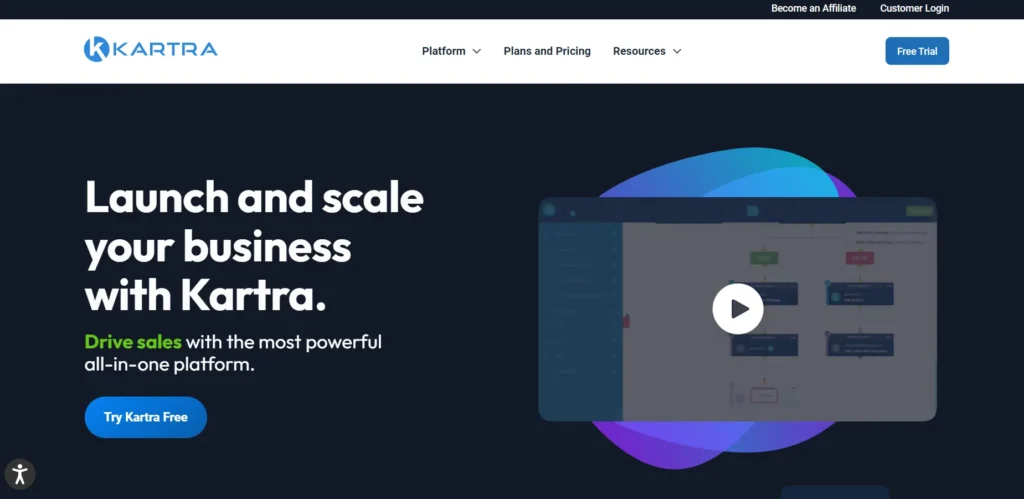
Kartra is a versatile platform that combines course creation with powerful marketing features. It provides an easy-to-use interface for building sales funnels, email marketing campaigns, and even membership sites.
Kartra is ideal for those who want a platform that combines both course creation and business management tools.
Conclusion
Creating an online course in 2025 requires a mix of clear structure, engaging content, and thoughtful design.
By following the strategies outlined above, you can build a course that not only delivers knowledge but also keeps students engaged and motivated.
Remember to continuously refine your course based on feedback and learner outcomes to ensure it remains relevant and effective.
FAQs
How do I determine the right course platform?
Look for a platform that is easy to use, allows customization, offers a variety of media options (like videos, quizzes, and discussions), and provides good customer support.
How long should each module be?
Modules should ideally be between 10-20 minutes long. This keeps content digestible and prevents learners from feeling overwhelmed.
Should I offer certificates?
Offering certificates can add value to your course, giving students something tangible to show for their learning. It also helps with motivation.
How can I make my course more interactive?
Include quizzes, assignments, live sessions, and discussion forums. These elements help keep students engaged and ensure they actively apply what they’ve learned.
How often should I update my course content?
Aim to review and update your course every 6-12 months to keep the material fresh and relevant.