
In today’s digital age, online learning platforms have become a popular way to acquire new skills, whether for personal growth, career development, or simply exploring new hobbies. Two of the most well-known platforms in this space are Udemy and Skillshare. Both offer a vast range of courses, but they cater to different types of learners and learning styles.
Udemy, founded in 2010, is a comprehensive marketplace with over 210,000 courses across a wide array of subjects, including technology, business, and personal development. It operates on a pay-per-course model, allowing learners to purchase individual courses and access them for a lifetime. This flexibility is perfect for those looking to gain specific knowledge or expertise without long-term commitments.
Skillshare, also launched in 2010, focuses primarily on creative fields such as design, photography, and writing. With its subscription-based model, Skillshare offers unlimited access to thousands of courses, encouraging learners to explore various subjects without the need for individual purchases. The platform emphasizes hands-on, project-based learning, fostering creativity and community engagement.
Both platforms have their strengths, and choosing between them depends on your learning goals, interests, and preferred study methods. This comparison will help you decide which platform suits your needs best.
Udemy Overview
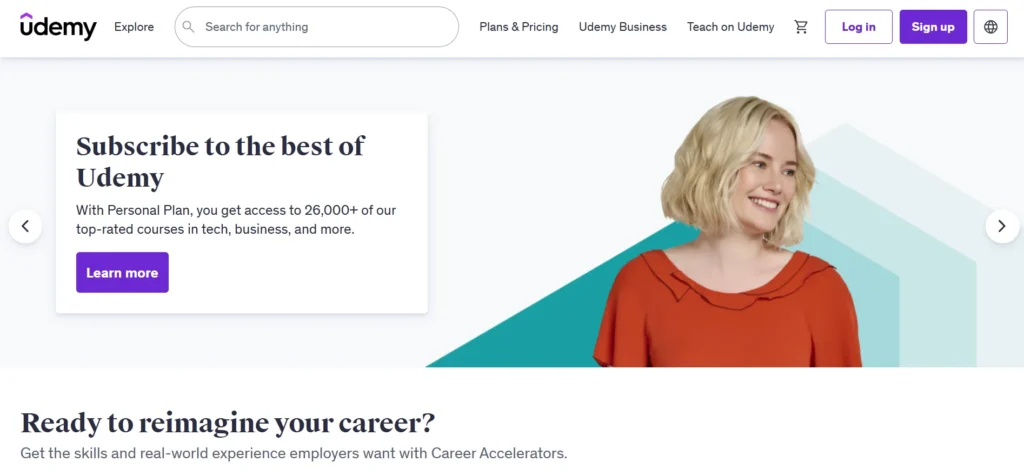
Udemy is a leading online learning platform founded in 2010 by Eren Bali, Gagan Biyani, and Oktay Caglar. Headquartered in San Francisco, it offers a vast marketplace with over 250,000 courses across various fields, including technology, business, creative arts, and personal development. As of 2025, Udemy serves more than 81 million learners worldwide.
The platform operates on a pay-per-course model, allowing learners to purchase courses individually and access them for a lifetime. This flexibility makes it ideal for those seeking specific skills or knowledge without a long-term commitment. Courses are created by instructors with expertise in their respective fields, and learners can benefit from a diverse range of teaching styles and perspectives.
Udemy’s user-friendly interface is accessible via web browsers and mobile applications, enabling learners to study at their own pace and convenience. Additionally, the platform provides certificates of completion, which can be valuable for professional development and career advancement.
Whether you’re looking to enhance your skills, explore new interests, or advance your career, Udemy offers a comprehensive and accessible learning experience.
Skillshare Overview
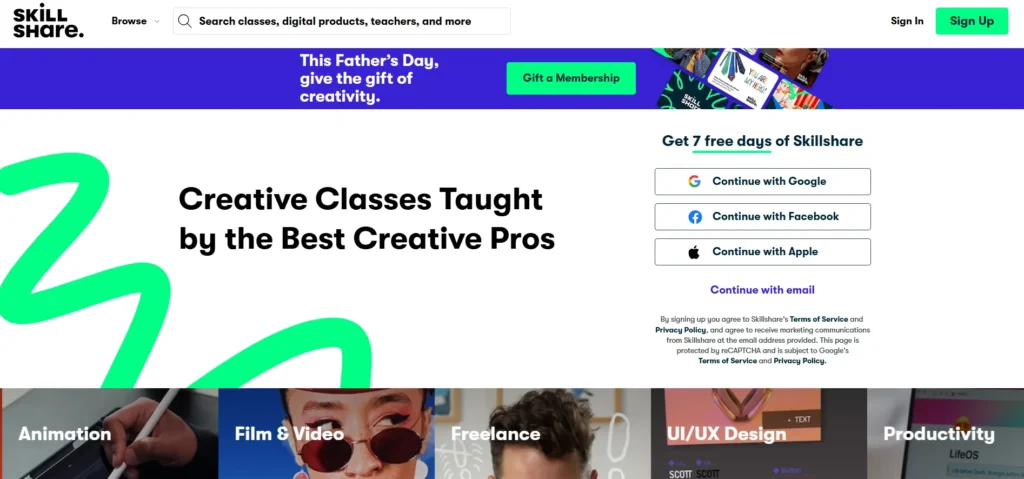
Skillshare is an online learning platform that offers a vast library of over 30,000 courses, primarily focusing on creative disciplines such as illustration, design, photography, video, freelancing, and more. Founded in 2010, it has grown into a vibrant community where members can learn new skills, share their work, and connect with others.
Unlike traditional educational platforms, Skillshare operates on a subscription model, granting members unlimited access to all classes. This approach encourages learners to explore various subjects without the constraint of purchasing individual courses. The platform emphasizes project-based learning, allowing students to apply concepts through hands-on assignments and receive feedback from peers and instructors.
Skillshare also provides opportunities for individuals to teach courses, fostering a diverse range of perspectives and expertise. Whether you’re looking to enhance your creative skills, start a side hustle, or engage with a community of like-minded individuals, Skillshare offers a flexible and interactive learning environment.
1. Course Offerings and Content Structure
Udemy: A Vast Library of Courses
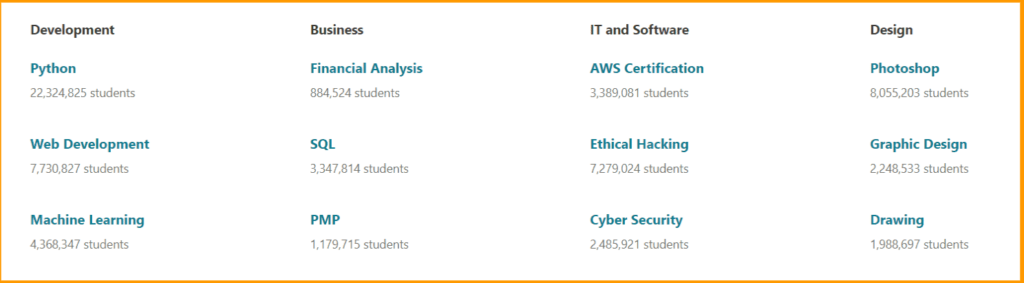
Udemy has one of the largest course libraries on the internet, with over 210,000 courses available. These courses span a wide range of topics, from technology and business to personal development and creative fields. Udemy’s course catalog is vast, offering everything from quick tutorials to in-depth, multi-hour courses.
Courses on Udemy are typically divided into multiple modules or sections, each focusing on a specific sub-topic. Whether you’re interested in learning programming, digital marketing, or graphic design, Udemy allows you to dive deep into a topic and gain thorough knowledge.
Skillshare: Focus on Creative Learning
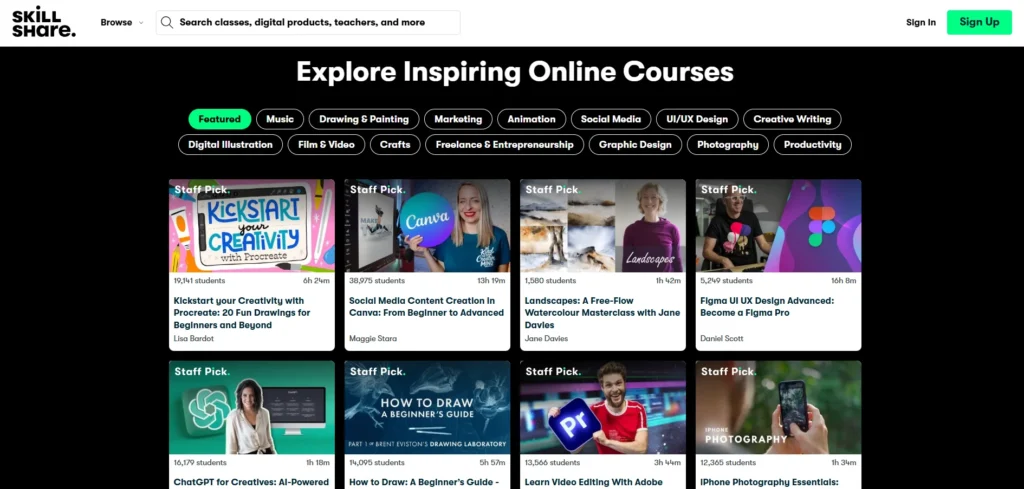
In contrast, Skillshare specializes in creative fields such as graphic design, photography, writing, and entrepreneurship. With over 30,000 courses, Skillshare is a more niche platform compared to Udemy. The focus here is not on in-depth theoretical knowledge but on practical skills and creativity.
The courses on Skillshare are usually shorter, often between 30 to 60 minutes long, and emphasize project-based learning. These projects allow students to apply what they’ve learned in real-time, which makes the learning experience more hands-on and practical.
2. Pricing Models and Access
Udemy’s Pay-Per-Course System
Udemy operates on a pay-per-course model. Each course is individually priced, typically ranging from $10 to $200. Once purchased, you have lifetime access to the course material, meaning you can revisit the content anytime. This model is great for those who want to pay only for specific courses they are interested in, without any recurring fees.
While this can add up if you’re purchasing multiple courses, Udemy often runs sales, allowing students to buy courses at heavily discounted prices. This flexibility is ideal for learners who want to master a single topic without committing to a subscription.
Skillshare’s Subscription Model
Skillshare, on the other hand, works on a subscription-based model. You pay either $15 per month or $99 per year for unlimited access to all of Skillshare’s courses. This model is best for learners who are interested in exploring a broad range of topics, especially creative fields. However, you’ll need to maintain your subscription to continue accessing content.
Skillshare also offers a free trial for new users, giving them an opportunity to explore the platform before committing to a paid membership. The subscription model is great if you plan to take multiple courses or want to explore different areas of interest.
3. Course Quality and Instructor Credentials
Udemy: Diverse Instructors with Varying Qualities
One of Udemy’s biggest strengths is its openness to all instructors. If someone has expertise in a subject, they can create and sell a course. As a result, there is a vast diversity of teaching styles and content. While many instructors on Udemy are professionals with years of experience, the platform does not vet them as rigorously as some others, which can sometimes result in variations in course quality.
Before purchasing a course, it’s always a good idea to check the reviews, ratings, and the instructor’s profile to gauge their credibility. Udemy’s rating system helps highlight the most popular and highly-rated courses, making it easier for students to find high-quality content.
Skillshare: Industry Professionals with a Creative Focus
Skillshare focuses on a more curated selection of instructors. Many are industry professionals with a passion for teaching their craft. The emphasis on creativity and hands-on projects means that instructors are often practicing what they teach, giving students valuable insights from those actively working in their fields.
The quality of courses on Skillshare is generally high, but it’s still important to review feedback from other learners. Since Skillshare emphasizes peer reviews and community feedback, students can get an idea of how well a course is received before committing to it.
4. Learning Experience and Community Engagement
Udemy: A Traditional Learning Experience
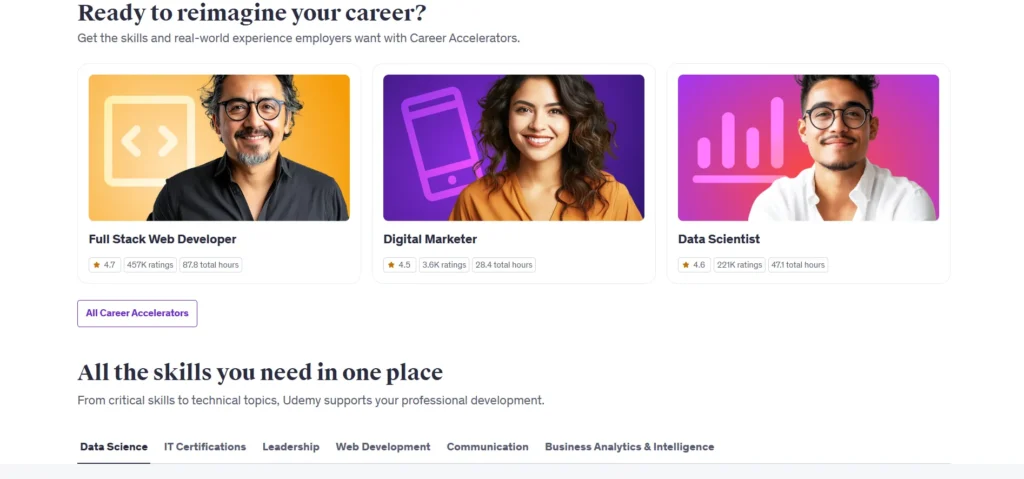
Udemy provides a more traditional course format, which includes video lectures, quizzes, and assignments. The courses are generally self-paced, so learners can move through the material at their own speed. While the platform does have a Q&A section where students can ask the instructor questions, the overall community engagement is limited.
Udemy is ideal for those who prefer structured lessons with clear objectives and who enjoy independent learning. The lack of community interaction might make it less appealing for those who enjoy collaborative learning or peer feedback.
Skillshare: Project-Based Learning and Peer Interaction
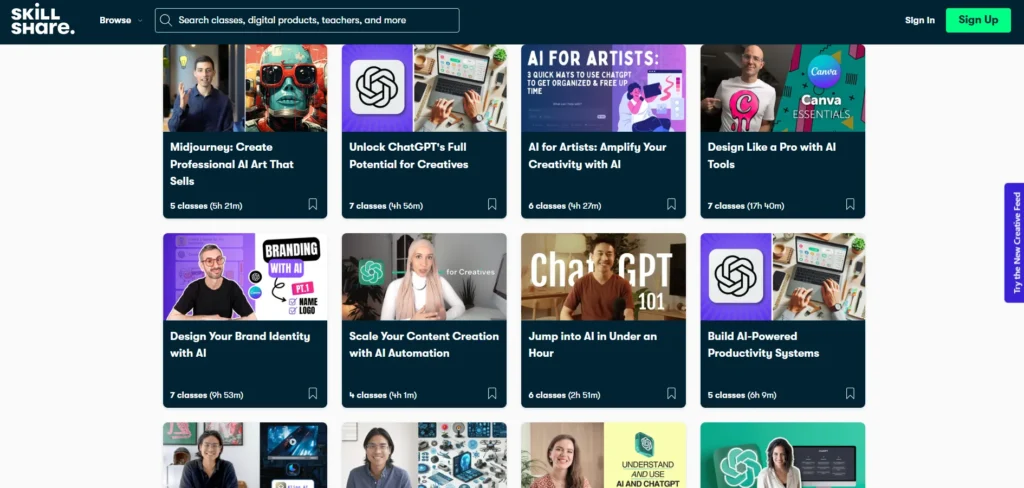
Skillshare places a strong emphasis on project-based learning. After completing each lesson or module, students are encouraged to apply what they’ve learned through hands-on projects. This approach fosters creativity and ensures that learners can see real-world applications of the skills they’re acquiring.
Additionally, Skillshare’s community is a central part of the learning experience. Students are encouraged to share their projects and give feedback to one another. This peer interaction creates a supportive environment where learners can grow together. If you’re someone who values collaboration and feedback, Skillshare’s community-driven learning environment might be the perfect fit.
5. Certification and Accreditation
Udemy: Certificates of Completion
One of the standout features of Udemy is that it provides certificates of completion for every course you finish. These certificates can be shared on your resume or LinkedIn profile, making it easier to showcase the skills you’ve learned. While these certificates aren’t formally accredited by universities or recognized by official accrediting bodies, they still carry weight within certain industries, especially in tech and business.
Since Udemy courses are often focused on skill acquisition rather than formal education, the certificates serve as a useful way to demonstrate your newfound expertise to potential employers or clients.
Skillshare: No Formal Certification
Skillshare does not offer formal certifications. The platform is more focused on building skills and creating a portfolio. Instead of receiving a certificate, students are encouraged to share their projects within the community. If you’re looking to gain practical, hands-on experience without the need for formal recognition, Skillshare is the better option.
If you’re more interested in building a portfolio of work or developing specific creative skills, Skillshare’s project-based approach may be more valuable than a certificate.
6. Mobile Accessibility and Offline Learning
Udemy: Flexibility with Offline Access
Udemy allows students to download courses and access them offline, which is an excellent feature for those who want to learn on the go, without needing a constant internet connection. The mobile app is user-friendly, allowing learners to watch videos, download courses, and track their progress seamlessly.
Offline access is particularly beneficial for people traveling or those with limited access to high-speed internet, as it allows them to continue learning without disruption.
Skillshare: Offline Learning for Premium Members
Skillshare also offers offline access for premium members. Users can download courses and watch them later, making it a good option for those who prefer to study without relying on an internet connection. The mobile app is intuitive, and the platform ensures a smooth learning experience, whether you’re using it on a computer or a mobile device.
If you travel frequently or want to learn while commuting, both Udemy and Skillshare provide convenient options for offline learning.
7. Support and Customer Service
Udemy: Reliable Customer Support
Udemy provides 24/7 customer support through email, phone, and live chat. The platform also offers a 30-day money-back guarantee on most courses. If you’re unsatisfied with a course for any reason, you can request a refund, which is a big plus for users who are unsure about a course’s quality.
The support team is generally responsive and helpful, ensuring that students have a smooth experience on the platform.
Skillshare: Efficient Support System
Skillshare’s customer support is also responsive, with a dedicated help center and email support. However, unlike Udemy, Skillshare does not offer a money-back guarantee, which means that once you pay for a subscription, it is non-refundable. Nevertheless, the platform’s support team works hard to address any issues or concerns that users might have.
8. Ideal Users
Who Should Choose Udemy?
Udemy is perfect for individuals who want to learn specific skills in-depth, particularly in tech, business, and personal development. The pay-per-course model makes it ideal for those who are looking for targeted education on particular subjects without any long-term commitments. It’s also a good choice for those who prefer structured, self-paced learning.
Who Should Choose Skillshare?
Skillshare is best suited for creative individuals who want to enhance their skills in areas like design, photography, and writing. The subscription-based model is ideal for learners who want access to a variety of courses, particularly in creative fields. If you enjoy project-based learning and want to collaborate with others in a community-driven environment, Skillshare offers a more interactive and engaging learning experience.
Final Thoughts: Which Platform is Right for You?
Choosing between Udemy and Skillshare ultimately depends on your learning goals, preferences, and the type of content you want to engage with.
If you’re looking for a broad selection of detailed, subject-specific courses that provide in-depth knowledge, Udemy is the better choice. Its extensive catalog spans a wide variety of fields such as business, tech, and personal development, making it ideal for learners seeking to deepen their expertise in a specific area. With the pay-per-course model, you can purchase only what you need and enjoy lifetime access to the content, making it a great option for those who prefer a more structured and focused approach to learning.
On the other hand, if your interest lies in creative fields like design, writing, or photography, Skillshare offers a more hands-on, project-based learning experience. Its subscription model allows access to a wide range of creative courses, fostering an interactive environment where you can receive feedback from peers. The community-driven aspect of Skillshare makes it ideal for learners who enjoy collaborative learning and sharing their work with others. If you’re someone who likes exploring different creative subjects without worrying about purchasing individual courses, Skillshare’s all-access model might be the better fit.
In the end, the right platform depends on whether you prefer deep specialization (Udemy) or creative exploration and collaboration (Skillshare). Consider your learning style and goals to determine which platform suits you best.
FAQs
Which platform offers more courses?
Udemy offers over 210,000 courses, covering a wide range of topics. Skillshare has around 30,000 courses, focusing primarily on creative fields.
What is the pricing model of each platform?
Udemy uses a pay-per-course model, with prices ranging from $10 to $200 per course. Skillshare uses a subscription model, with a monthly fee of $15 or an annual fee of $99.
Do they offer certificates?
Udemy provides certificates of completion for most courses. Skillshare does not offer formal certificates.
Which platform is better for creative skills?
Skillshare is ideal for learning creative skills, with a focus on hands-on, project-based learning. Udemy has some creative courses but is more broad in scope.
Can I learn offline?
Both platforms offer offline learning. Udemy allows downloading of courses, and Skillshare offers offline access for premium members.