
The landscape of online learning has transformed the way people acquire new skills, make career shifts, and enhance their knowledge. Two popular platforms that have emerged in this space are Udemy and Kadenze. While both offer courses that aim to provide valuable educational experiences, they cater to different audiences and excel in different areas.
Udemy is one of the largest online learning platforms globally, with over 100,000 courses across a wide range of subjects. Kadenze, on the other hand, is a more specialized platform with a strong emphasis on creativity, art, and technology, particularly in fields like music production, design, and interactive media.
In this comparison, we’ll explore the differences between Udemy and Kadenze, from the types of courses they offer to the learning experience and pricing models. By the end of this article, you’ll have a clearer idea of which platform is better suited to your learning needs.
1. Platform Overview
What is Udemy?
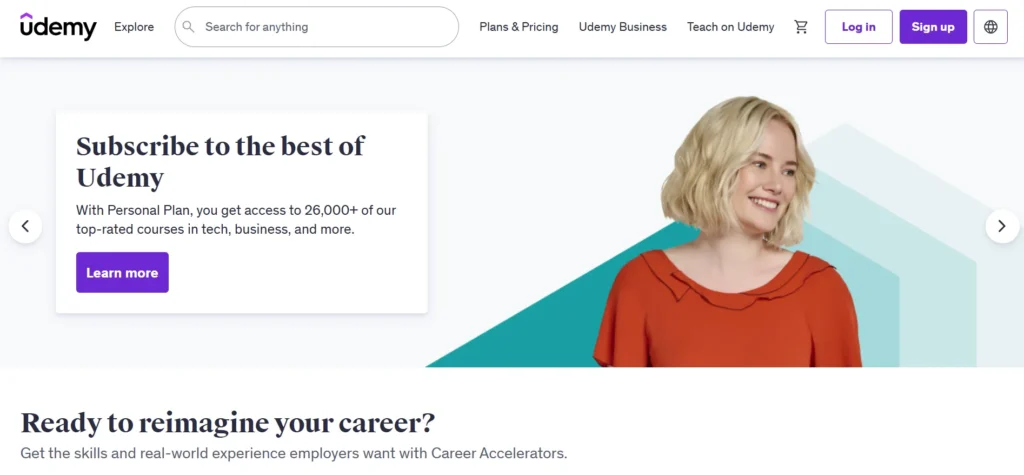
Founded in 2010, Udemy is one of the largest and most well-established online learning platforms in the world. It has more than 100,000 courses in various subjects, making it an all-encompassing resource for anyone interested in self-paced learning. Udemy provides courses in almost every field, from business, marketing, and finance to photography, personal development, and creative arts.
The platform’s main appeal lies in its flexibility, affordability, and the ability to learn at your own pace. It’s designed for learners of all kinds, from beginners to experts, and offers practical, real-world knowledge delivered by instructors from around the world.
What is Kadenze?
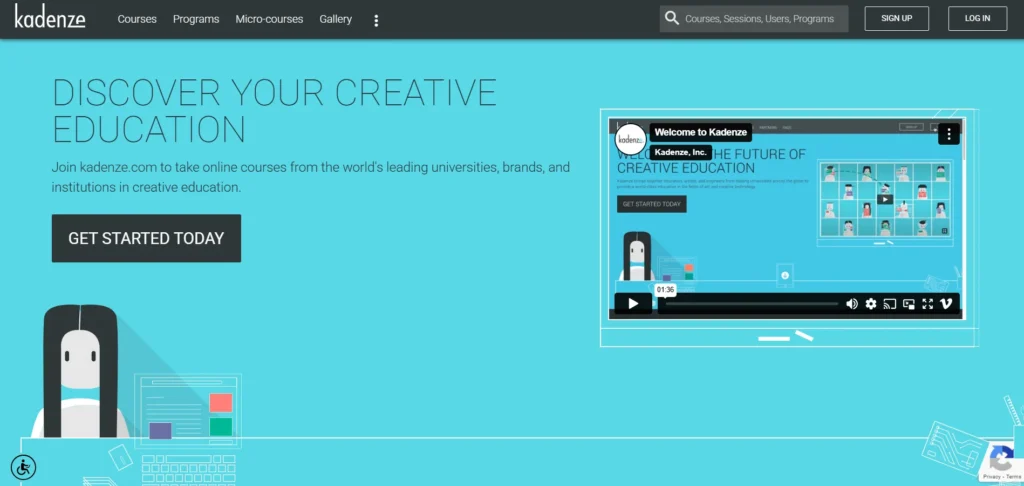
Kadenze, founded in 2015, is a niche online learning platform primarily focused on creative arts, design, music, and technology. Unlike Udemy, which offers a broad range of topics, Kadenze has carved out a space for those who want to merge creativity with technical skills. Kadenze partners with top-tier universities such as Stanford, Columbia, and Berklee College of Music, offering courses in areas like music production, interactive media, and creative coding.
The platform’s strong academic partnership allows it to provide a more structured, formalized learning experience, with some courses offering the potential to earn academic credits. Kadenze is ideal for artists, musicians, designers, and those who want to develop a more comprehensive understanding of the creative industries.
2. Course Offerings and Course Quality
Udemy Course Variety
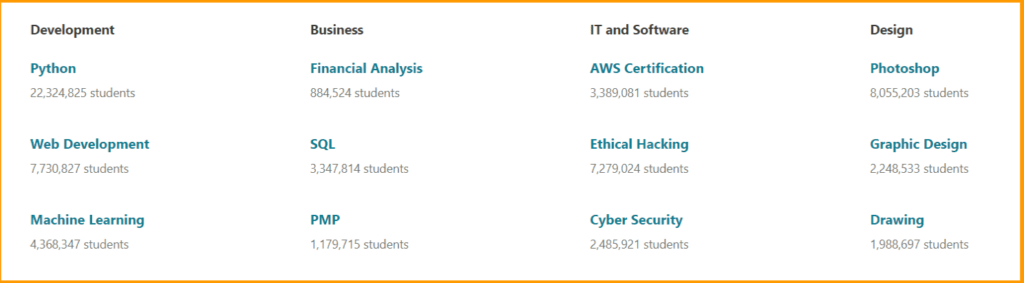
Udemy is known for its vast and diverse course catalog, offering courses on virtually every subject imaginable. The platform houses over 100,000 courses and adds more regularly, making it one of the most comprehensive online learning resources available. Some of the primary areas covered include:
- Technology & Development: Courses on programming (e.g., Python, JavaScript), app development, data science, web development, and machine learning.
- Business & Entrepreneurship: Lessons on finance, digital marketing, project management, entrepreneurship, and business analytics.
- Creative Arts: Photography, video editing, design, music production, and drawing.
- Personal Development: Self-improvement, time management, productivity, and leadership development.
- Lifestyle: Fitness, nutrition, cooking, and languages.
One of the strengths of Udemy is the sheer variety it offers, making it suitable for learners with different interests and needs. The courses are designed by instructors with real-world experience in their fields, making the content practical and immediately applicable.
However, one downside is that the quality of courses can vary since anyone can create and sell a course on Udemy. This is why reviews and ratings are essential to gauge the effectiveness of a course before committing to it.
Kadenze Course Variety
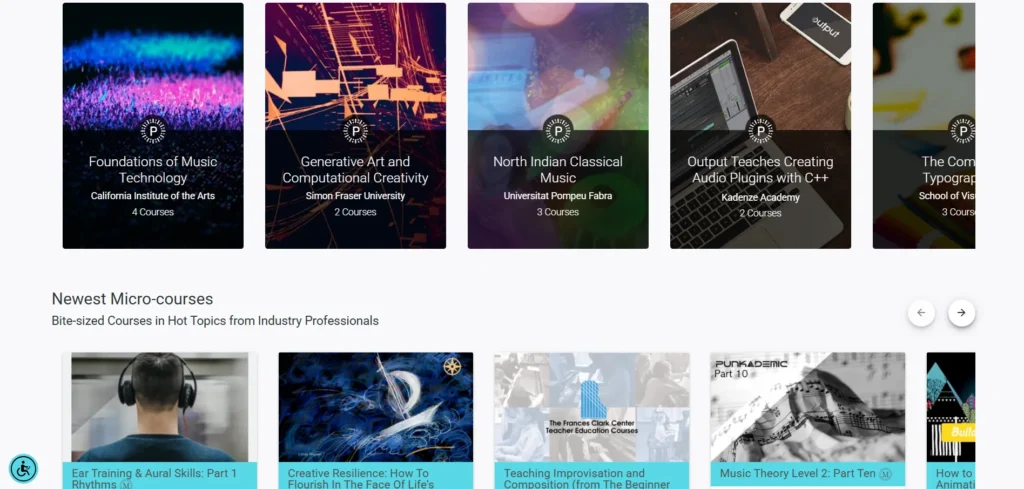
Kadenze, in contrast, is much more specialized. It focuses mainly on the intersection of creativity and technology, making it an excellent platform for individuals in the creative industries. Some of the primary areas covered by Kadenze include:
- Music Production & Sound Design: Kadenze offers courses on sound engineering, mixing, mastering, and music theory, providing learners with the tools and knowledge to create music professionally.
- Creative Coding: This involves learning programming languages such as Processing and Max/MSP to create interactive art, generative visuals, and multimedia experiences.
- Interactive Media: Kadenze provides courses on virtual reality (VR), game design, multimedia art, and interactive installations.
- Design: Topics include digital media, animation, interactive design, and UX/UI design.
Kadenze’s catalog may be smaller than Udemy’s, but it is far more focused and tailored to those pursuing careers in the creative fields. The platform offers a higher level of specialization, and its courses often have a more formal academic structure.
3. Learning Experience
Udemy Learning Experience
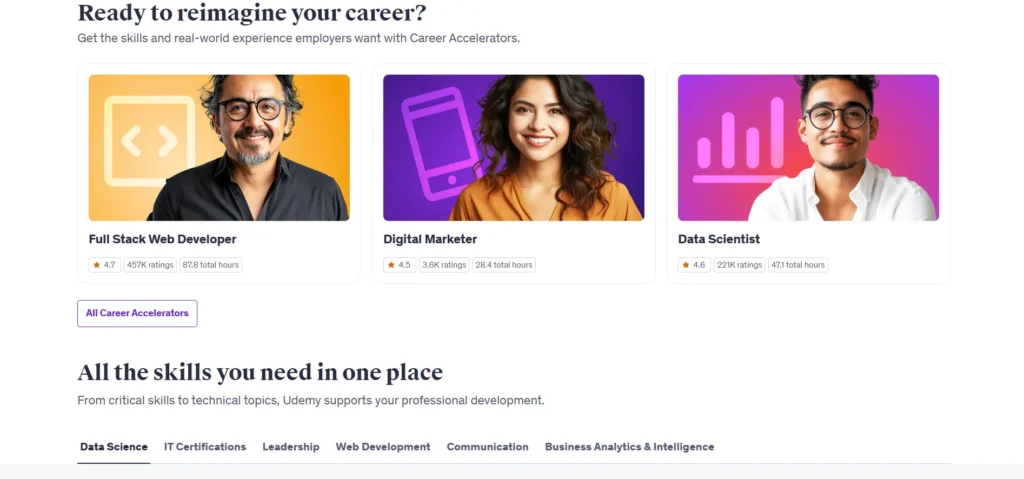
Udemy’s learning model revolves around self-paced learning. Each course is delivered through a series of pre-recorded video lectures, along with quizzes, assignments, and discussion forums. Students can start a course at any time and learn at their own pace, and they get lifetime access to course content once they’ve purchased it.
Udemy courses are designed to be hands-on, so they often include practical exercises, quizzes, and projects to ensure learners can apply what they have learned in real-world scenarios. Since Udemy is open to instructors from around the world, you get a wide variety of teaching styles, which can be both an advantage and a drawback depending on the instructor’s quality.
In addition, Udemy allows learners to leave ratings and reviews for courses, which can provide valuable insight into the quality of the material. This feature helps you make an informed decision before purchasing a course.
Kadenze Learning Experience
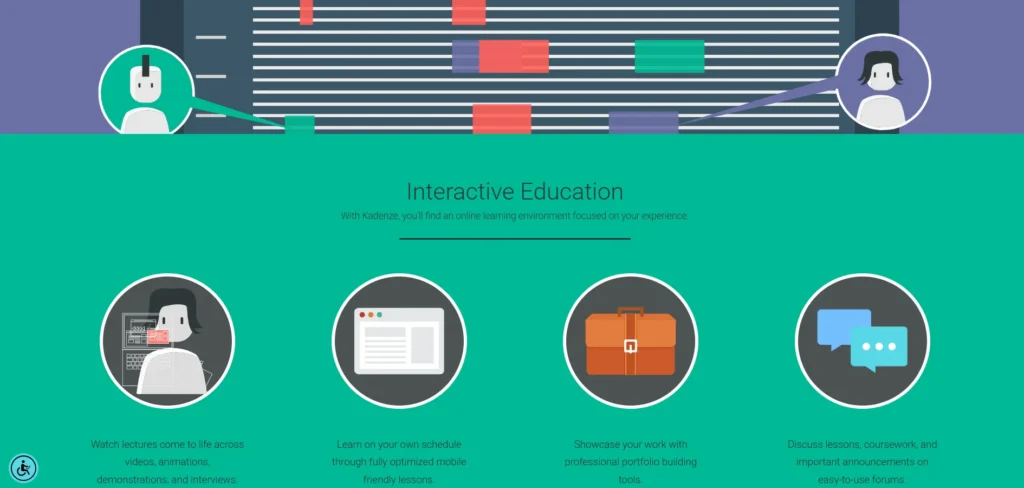
Kadenze’s learning experience is more structured and academic, with courses often having fixed start and end dates. Many of the courses are created in collaboration with top universities, meaning you get access to high-quality content and formalized learning pathways. Some courses also offer academic credit or are part of a larger certificate program, providing a more formalized certification upon completion.
Kadenze places a strong emphasis on project-based learning, which is especially important for creative fields like music production, digital art, and interactive media. Learners are encouraged to complete projects and assignments that help them build a portfolio, which is crucial for creative professionals.
Additionally, Kadenze offers opportunities for peer feedback and interaction with other learners, which can be a valuable part of the creative process. Students can critique one another’s work, discuss ideas, and share experiences, fostering a sense of community within the platform.
4. Pricing Models and Accessibility
Udemy Pricing
Udemy operates on a pay-per-course model, meaning you purchase each course individually. The prices for courses on Udemy can range from as low as $10 to as high as $200, depending on the course’s length, depth, and subject matter. However, Udemy frequently runs sales and offers heavily discounted rates, making it possible to purchase courses for $10 to $20 during promotional periods.
One of the most appealing aspects of Udemy is its affordable pricing model. With lifetime access to courses, you only pay once for each course, which can be more cost-effective than subscription-based platforms. Additionally, the frequent sales make Udemy an affordable option for those who want to learn without committing to an expensive subscription.
Kadenze Pricing
Kadenze offers a slightly more complex pricing model. Many of Kadenze’s courses are available for free, but this gives you access only to the course material—without assignments, quizzes, or certificates.
For full access to assignments, peer feedback, and certificates, you need to subscribe to Kadenze’s Premium Membership, which costs $20 per month. This premium membership also includes access to live sessions with instructors, as well as the ability to earn academic credit for some courses.
Kadenze also offers financial aid to students who can’t afford the premium membership, making it more accessible for those on a tight budget. However, the pay-per-course model and the premium membership fee can add up if you plan to take multiple courses.
5. Certificates and Accreditation
Udemy Certification
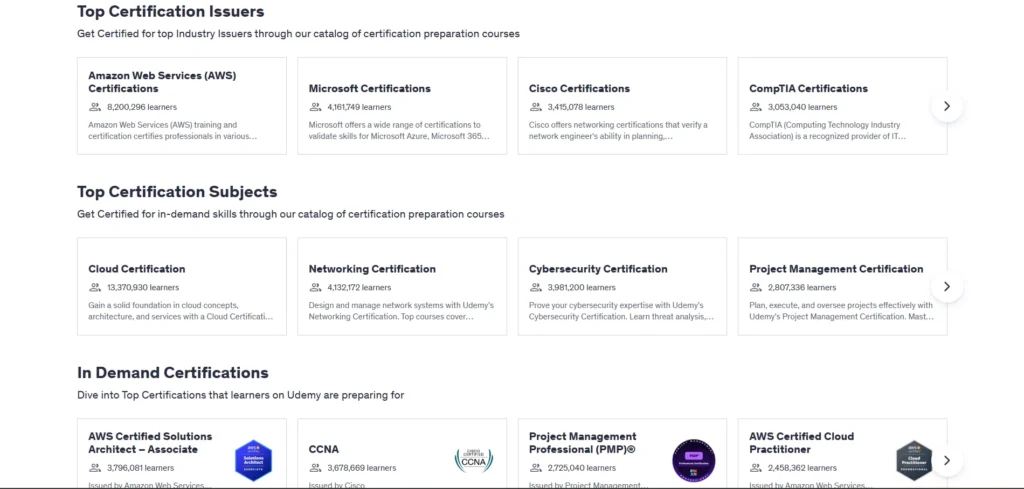
When you complete a course on Udemy, you receive a certificate of completion, which you can add to your resume, LinkedIn profile, or CV. However, Udemy certificates are generally not accredited by universities or formal institutions. While they can show potential employers that you’ve learned a new skill, they may not carry the same weight as certificates from accredited institutions.
For people looking to enhance their practical knowledge or acquire new skills in a specific area, Udemy’s certificates can still be valuable. However, they are typically not a substitute for a formal qualification or degree.
Kadenze Certification
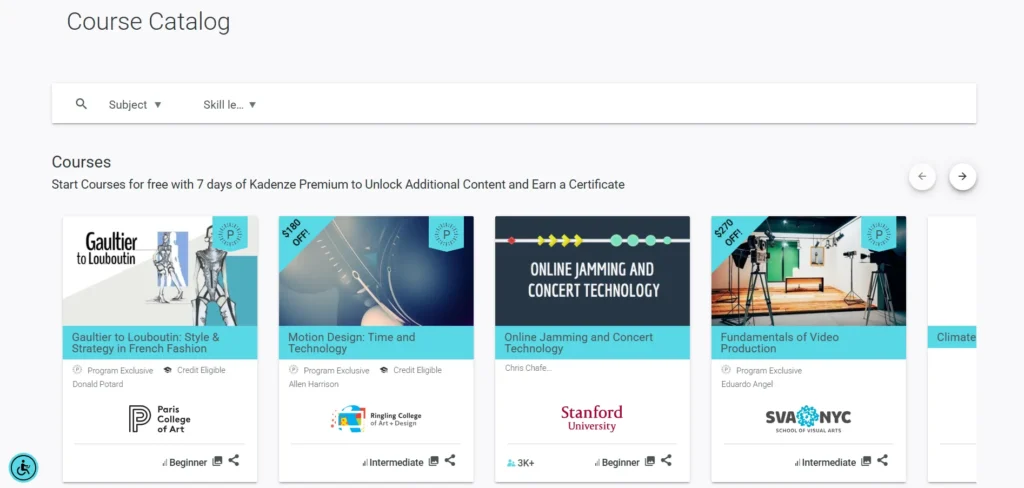
Kadenze offers verified certificates for premium members, which are more formal than Udemy’s. These certificates are backed by the universities that partner with Kadenze, which can add significant value, especially if you’re pursuing a career in the creative industries. Some Kadenze courses also offer the potential for academic credit, which can be used toward a degree at a partnering university.
Since Kadenze’s courses are designed in collaboration with prestigious institutions, the certificates and academic credits offered by the platform are more credible and recognized in professional and academic settings.
6. Who Should Use Udemy vs. Kadenze?
When to Choose Udemy
- Wide Course Selection: If you want access to a broad range of subjects, from technology and business to personal development and creative arts, Udemy is the way to go.
- Affordable Learning: Udemy’s frequent discounts make it an affordable option for learners looking to acquire new skills at a low cost.
- Self-Paced Learning: If you prefer to learn at your own pace and on your own time, Udemy’s flexibility makes it an excellent choice.
- Professionals & Hobbyists: Whether you’re looking to improve your career skills or learn something for fun, Udemy offers options for both.
When to Choose Kadenze
- Creative Professionals: If you’re a musician, artist, or designer looking to expand your technical skills in creative fields like music production, creative coding, or interactive media, Kadenze is tailor-made for you.
- Structured Learning: If you prefer a more formal, academic approach with clear start and end dates and the potential for academic credit, Kadenze offers a more structured learning experience.
- Portfolio Building: Kadenze is ideal for anyone looking to build a portfolio of creative work. The platform emphasizes hands-on projects that showcase your skills.
- Academic and Industry Recognition: If you’re seeking a qualification that carries academic or industry weight, Kadenze’s partnership with top universities makes it a strong contender.
Conclusion
Both Udemy and Kadenze are excellent online learning platforms, but they serve different needs and audiences.
- Udemy is perfect for learners who want to explore a wide range of subjects in a flexible, affordable, self-paced environment. It’s ideal for anyone seeking practical knowledge and skills to advance their career or pursue a personal interest.
- Kadenze, on the other hand, is a niche platform with a specialized focus on the intersection of art and technology. It offers a more structured learning experience, with the potential for academic recognition, making it an excellent choice for creative professionals looking to expand their technical skill set.
Ultimately, your choice between Udemy and Kadenze will depend on your learning goals and the type of content and learning experience you’re seeking. Both platforms offer valuable opportunities for growth, but they cater to different needs and interests.
FAQs
What is the difference between Udemy and Kadenze?
Udemy offers a wide variety of courses across many fields, while Kadenze specializes in creative arts, music, and technology, with a focus on academic-style learning.
Is Udemy affordable?
Yes, Udemy is very affordable, especially with frequent discounts, with many courses priced between $10 and $20.
Can I earn certificates on Udemy and Kadenze?
Yes, both platforms offer certificates upon completion, but Udemy’s certificates are not accredited, while Kadenze’s certificates are linked to university collaborations and may offer academic credit.
Are Kadenze courses free?
Many Kadenze courses can be audited for free, but to access assignments, feedback, and certificates, you need a paid subscription.
Which platform is better for beginners?
Udemy is better for beginners due to its wide range of entry-level courses across many subjects, while Kadenze is more suited for those focused on creative arts and technology.